BBQ Mats: The Ultimate Guide to Grilling Without the Mess
Grilling is one of the most popular ways to cook outdoors. The smell of sizzling meat, the crackling sound of vegetables, and the sight of flames make barbecuing a favorite tradition for many families and friends. But grilling also brings its own challenges—food sticking to grates, messy clean-up, and the worry of small items falling through the grill. BBQ mats have quickly become a solution for these problems, changing the way people barbecue and making grilling more enjoyable and efficient.
If you’ve seen thin sheets on grills at parks or in backyard parties, you may have wondered what they are. BBQ mats are simple but powerful tools that help with cooking, cleaning, and food safety. In this article, you’ll discover what BBQ mats are, how they work, their benefits, common types, buying tips, and even practical advice for making your BBQ experiences better.
By the end, you’ll see why these mats are becoming a must-have for grillers of all skill levels.
What Are Bbq Mats?
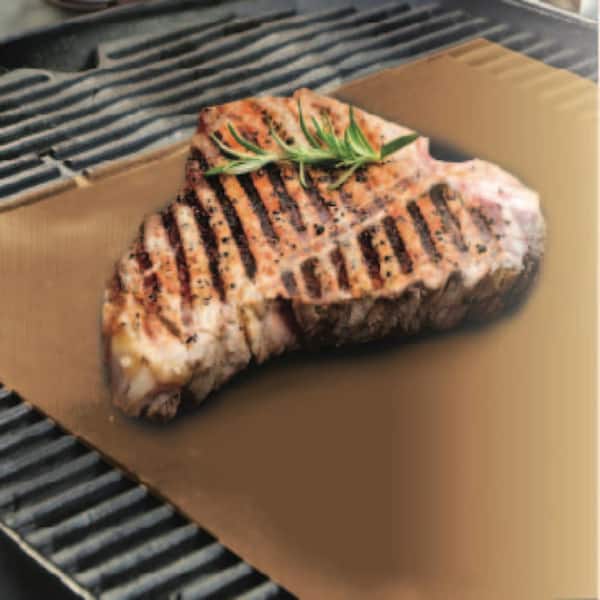
BBQ mats are thin, flexible sheets made from heat-resistant materials like PTFE (polytetrafluoroethylene), often known by the brand name Teflon. These mats sit directly on grill grates, creating a non-stick surface for food. They are usually reusable, easy to clean, and can handle temperatures up to 500°F (260°C), depending on the brand.
Most BBQ mats measure about 13 x 15 inches or larger, with thickness ranging from 0. 2mm to 0. 4mm. The thinner mats are better for achieving grill marks, while thicker mats last longer and are more durable.
How Bbq Mats Work
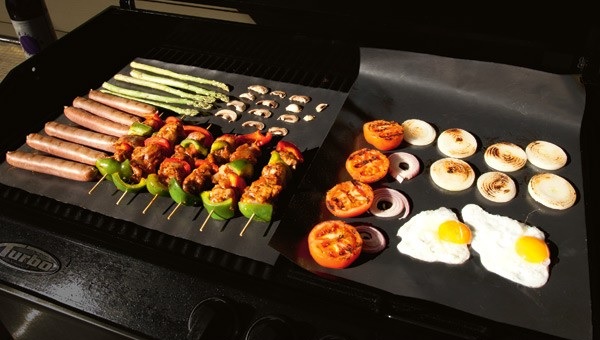
When placed on the grill, a BBQ mat acts as a barrier between the food and the metal grates. Heat passes through the mat, cooking the food as usual. The mat prevents sticking, keeps sauces and juices from falling, and stops small items from dropping through gaps.
Some mats can be cut to fit different grill shapes and sizes.
Common Materials
- PTFE-coated fiberglass: Most popular. Offers non-stick properties, flexible, heat-resistant.
- Silicone: Less common, but good for baking. Not as heat-resistant for direct grilling.
- Copper-infused mats: Marketed for extra durability and heat conductivity, but actual performance varies.
Benefits Of Bbq Mats
Using BBQ mats changes the grilling experience for many reasons. Here are the most important advantages:
1. Non-stick Surface
A major problem when grilling is food sticking to grates. With a BBQ mat’s non-stick coating, you can cook delicate foods like fish, eggs, or marinated meats without losing pieces to the grill.
2. Easy Clean-up
After grilling, cleaning greasy grates is a tough job. BBQ mats make clean-up much easier. Just remove the mat, wipe it down or wash it in the sink (some are even dishwasher-safe).
3. Prevents Food Loss
Small vegetables, shrimp, or sliced meats often fall between the grill bars. BBQ mats catch these items, so you waste less food and cook more confidently.
4. Health And Safety
Charred food particles and burnt oils on grill grates can cause health concerns. BBQ mats help keep food away from old residue and reduce flare-ups by stopping juices from dripping onto flames.
5. Versatility
You can cook breakfast foods, pizza, or even cookies on the grill with a mat. This expands the menu beyond traditional BBQ items.
6. Reusable And Eco-friendly
Most BBQ mats can be used dozens of times. This reduces waste compared to aluminum foil or single-use trays.
7. Consistent Results
BBQ mats provide even heat distribution, which leads to uniform cooking. This is especially helpful for foods that need gentle heat.
Common Types Of Bbq Mats
BBQ mats come in several styles, each with unique features. Choosing the right one depends on your cooking needs.
1. Standard Ptfe Grill Mats
These are the most popular, made from fiberglass coated with PTFE. They are thin, flexible, and provide excellent non-stick performance.
- Heat resistance: Up to 500°F (260°C)
- Thickness: 0.2–0.3mm
- Reusability: Up to 100 uses
2. Heavy-duty Bbq Mats
These mats are thicker (0. 4mm or more), often reinforced for more durability. Heavy-duty mats are preferred by frequent grillers.
- Heat resistance: Up to 600°F (315°C)
- Reusability: Up to 150 uses
- Drawback: Slightly less grill mark visibility
3. Copper-infused Mats
Marketed for better heat conductivity and strength. Copper mats are often more expensive, but their performance is similar to standard mats.
- Heat resistance: Up to 500°F (260°C)
- Thickness: 0.2–0.3mm
4. Mesh Bbq Mats
Mesh mats have holes, allowing more direct flame contact and better grill marks. They are ideal for foods that benefit from smoky flavor.
- Heat resistance: Up to 500°F (260°C)
- Drawback: Not suitable for liquid or saucy foods
5. Silicone Mats
Used mainly for baking, silicone mats are less common for grilling due to lower heat resistance.
- Heat resistance: Up to 450°F (232°C)
- Use: Baking, not direct grilling
Comparison Table: Popular Bbq Mat Types
| Type | Material | Heat Resistance | Thickness | Best For |
|---|---|---|---|---|
| Standard PTFE | PTFE-coated fiberglass | Up to 500°F | 0.2–0.3mm | General grilling |
| Heavy-Duty | Reinforced PTFE | Up to 600°F | 0.4mm+ | Frequent use |
| Copper-Infused | PTFE + copper | Up to 500°F | 0.2–0.3mm | Durability, even heat |
| Mesh Mat | PTFE mesh | Up to 500°F | Variable | Grill marks, smoky flavor |
| Silicone | Silicone | Up to 450°F | Variable | Baking |
How To Use Bbq Mats Effectively
Even though BBQ mats are simple, a few practical tips can help you get the best results.
Preparation
- Clean the grill: Remove old debris before placing the mat.
- Cut to size: If needed, trim the mat to fit your grill surface.
- Preheat with the mat: Place the mat on the grill while preheating.
Cooking Tips
- Do not exceed recommended temperature: Most mats should not be exposed to heat above 500°F.
- Avoid direct flames: Mats are meant for indirect grilling. Flames touching mats can damage them.
- Use plastic, silicone, or wooden utensils: Metal utensils may scratch the mat’s surface.
- Space food evenly: This ensures even cooking and prevents overcrowding.
Cleaning
- Let the mat cool: After grilling, allow it to cool before handling.
- Wipe or wash: Use soapy water and a soft sponge. Some mats are dishwasher-safe.
- Store flat or rolled: Avoid folding mats to prevent creases.
Common Mistakes To Avoid
- Using metal utensils: Can damage the non-stick coating.
- High heat exposure: Weakens or melts the mat.
- Overlapping mats: Reduces heat distribution.
- Leaving mats unattended: Always monitor for flare-ups or damage.
Credit: www.ovenclean.com
Foods You Can Cook On Bbq Mats
BBQ mats expand the range of foods you can cook on a grill. Some options may surprise you:
- Fish and seafood: Salmon, shrimp, scallops
- Eggs and omelets
- Vegetables: Sliced peppers, mushrooms, asparagus
- Pizza and flatbreads
- Pancakes and French toast
- Marinated meats and kebabs
- Cheese-stuffed foods
- Cookies or desserts
Example: Grilled Breakfast On A Bbq Mat
You can cook a full breakfast outdoors. Place the mat on the grill, and use it to cook eggs, bacon, and pancakes at the same time. The mat prevents sticking, and flavors don’t mix as much.
Bbq Mat Vs. Aluminum Foil
Many grillers use aluminum foil for similar purposes. But there are clear differences:
- Non-stick: BBQ mats are better for non-stick cooking.
- Reusable: Mats last longer; foil is single-use.
- Heat distribution: Mats provide more even cooking.
- Health: Foil can react with acidic foods; mats are more neutral.
Bbq Mat Safety: What You Need To Know
Safety is important when using BBQ mats. Here are key points:
Material Safety
- PTFE is approved by the FDA for food contact. However, it should not be exposed to temperatures above 500°F, as it may release fumes.
- Avoid mats with unknown coatings: Always check for FDA approval or food-grade certifications.
Heat And Fire Risks
- Direct flame can damage mats. Place mats above indirect heat.
- Melting: If mats are exposed to extreme temperatures, they can melt and ruin your grill.
Cleaning And Maintenance
- Avoid harsh cleaners: Use mild soap and water.
- Check for damage: If mats have deep scratches or cracks, replace them.
Food Safety
- Wash after each use: Prevents cross-contamination.
- Store properly: Keep mats dry and clean.
Choosing The Right Bbq Mat
With so many options, selecting the best BBQ mat can be tricky. Here’s what matters most:
1. Material Quality
Look for PTFE-coated fiberglass mats with FDA approval. Avoid mats that feel flimsy or have an odd smell.
2. Thickness
- 0.2mm–0.3mm: Good for normal grilling and grill marks.
- 0.4mm+: Best for heavy-duty, frequent use.
3. Size And Shape
Choose mats that fit your grill. Some mats are round for kettle grills, others are rectangular for gas grills.
4. Heat Resistance
Check the maximum temperature rating. Most mats handle 500°F, but some are rated higher.
5. Reusability
A good mat should last for at least 50 uses. Heavy-duty mats last even longer.
6. Price
Prices range from $10–$30 per mat. Cheaper mats may not last as long.
7. Brand Reputation
Buy from brands with positive reviews and clear product information.
Comparison Table: Key Buying Factors
| Factor | Why It Matters | Best Choice |
|---|---|---|
| Material | Food safety, durability | PTFE-coated fiberglass |
| Thickness | Longevity, grill marks | 0.3–0.4mm |
| Size | Fits grill, no trimming | Matches grill dimensions |
| Heat Resistance | Prevents melting | 500°F or higher |
| Brand | Reliability, warranty | Established brands |
Bbq Mats Vs. Other Grill Accessories
BBQ mats are just one tool among many for grilling. Here’s how they stack up against other accessories:
Grill Baskets
- Good for small foods, but require shaking and flipping.
- Not non-stick, harder to clean.
Grill Trays
- Useful for saucy foods, but bulky.
- Not flexible, harder to store.
Aluminum Foil
- Cheap, disposable.
- Not environmentally friendly, less even cooking.
Bbq Mats
- Non-stick, flexible, reusable.
- Easy to store and clean.
Real-life Examples: Bbq Mat Performance
Grillers often share their experiences online. Here are some real stories:
Case 1: Family Cookout
A family used BBQ mats to cook burgers, chicken, and vegetables for a group of 12. They found that food didn’t stick, and everyone enjoyed evenly cooked meals. Clean-up took less than 10 minutes.
Case 2: Outdoor Breakfast
One couple cooked eggs and bacon on a mat during a camping trip. No sticking, easy flipping, and the mat washed clean with just water.
Case 3: Grilling Fish
Fish is hard to grill without breaking apart. With a BBQ mat, salmon fillets stayed whole, and the skin crisped nicely.
Data: Bbq Mat Satisfaction
A survey by a major BBQ accessory retailer found that 87% of BBQ mat users were satisfied with the product, and 74% said they would recommend it to friends.
Advanced Bbq Mat Uses
For creative grillers, BBQ mats open up new possibilities:
1. Baking On The Grill
You can bake cookies, muffins, or pizza on a BBQ mat. The non-stick surface makes it easy to remove baked goods.
2. Smoking
Mesh mats allow more smoke to reach food, making them good for slow-cooked, smoked recipes.
3. Grilling Delicate Foods
Foods that break easily, like cheese-stuffed peppers or thin fish, benefit from mats.
4. Layering Flavors
You can marinate meat directly on the mat, or sprinkle spices without worrying about them falling through.
Environmental Impact Of Bbq Mats
Compared to foil or disposable trays, BBQ mats are more eco-friendly:
- Reusable: Reduces waste.
- Non-toxic: Most mats are made from safe materials.
- Long-lasting: Many mats survive dozens of grilling sessions.
A study by a sustainability group showed that using BBQ mats instead of foil could reduce grill accessory waste by up to 80% over one summer season.
Bbq Mats For Different Grill Types
Not all grills are the same. Here’s how BBQ mats work with different models:
Gas Grills
BBQ mats are perfect for gas grills. Even heat, easy placement, and simple clean-up.
Charcoal Grills
Mats protect food from charcoal ash. Place mats over indirect heat, not directly on flames.
Pellet Grills
Mats work well for smoking and slow-cooking. Mesh mats are best for smoky flavor.
Electric Grills
Mats help avoid sticking and make indoor grilling easier.
Table: Bbq Mats Compatibility
| Grill Type | Mat Compatibility | Notes |
|---|---|---|
| Gas | Excellent | Even heat, easy to use |
| Charcoal | Good | Indirect heat preferred |
| Pellet | Very good | Best for smoking |
| Electric | Excellent | Indoor grilling |
Cleaning And Maintenance Tips
Keeping your BBQ mat clean is important for safety and longevity. Here’s what works best:
- Cool the mat first: Never clean a hot mat.
- Hand wash with soapy water: Use a soft sponge or cloth.
- Dishwasher option: Some mats are dishwasher-safe, but check instructions.
- Avoid harsh scrubbing: Scratches reduce non-stick performance.
- Dry thoroughly: Prevents mold and keeps mats ready for next use.
- Store flat or rolled: Folding mats may cause creases.
Bbq Mat Myths And Misconceptions
Many new users have questions or misunderstandings about BBQ mats. Here are some truths:
Myth 1: Mats Block Grill Flavor
Fact: BBQ mats let heat and smoke through. Thin mats allow grill marks and flavor, though mesh mats do even better.
Myth 2: Mats Are Unsafe
Fact: Quality mats made from food-grade PTFE are safe under recommended temperatures.
Myth 3: Mats Are Only For Meat
Fact: Mats are perfect for vegetables, seafood, desserts, and breakfast foods.
Myth 4: Mats Ruin Grill Marks
Fact: Thinner mats and mesh mats allow grill marks to show. Thicker mats may reduce marks but offer durability.
Bbq Mat Brands And Where To Buy
There are many brands to consider. Some of the most reliable include:
- Grillaholics
- Kona
- Chef’s Planet
- Yoshi Grill Mat
- Copper Chef
You can find BBQ mats at local hardware stores, supermarkets, or online retailers. Choose sellers with good reviews and clear product descriptions.
For an in-depth overview of PTFE and its uses in cookware, visit Wikipedia.
Practical Tips For Making The Most Of Bbq Mats
To get the best results, follow these advanced suggestions:
1. Layer Mats For Large Cookouts
If grilling for a crowd, use two mats side by side. Don’t overlap them; instead, place them next to each other for more surface.
2. Try Mesh Mats For Smoky Foods
Mesh mats are ideal for foods like ribs or fish that benefit from direct smoke.
3. Use Mats For Meal Prep
Prepare and marinate meats on the mat, then carry it to the grill. This saves time and prevents cross-contamination.
4. Cut Mats To Shape
Trim mats to fit pizza stones, baking trays, or unique grill shapes.
5. Avoid Using Mats Over High Flames
Always keep mats over indirect heat to prevent damage.

Credit: www.amazon.com
Bbq Mats For Camping And Travel
If you travel or camp, BBQ mats are a great addition:
- Easy to pack: Lightweight and flexible.
- Fits public grills: Clean surface for food at parks.
- Quick clean-up: Saves time when camping.
Bbq Mats For Healthy Cooking
BBQ mats help with healthy eating:
- Less oil needed: Non-stick surface means you can use less fat.
- No burnt residue: Food stays clean and safe.
- More vegetable options: Grill delicate veggies easily.
Are Bbq Mats Worth It?
For most grillers, BBQ mats are a good investment. They make grilling easier, cleaner, and more versatile. They save money over time compared to foil and disposable trays. Most users report better results and easier clean-up.
Non-obvious insight: If you grill sticky foods like BBQ-glazed wings or honey-marinated meats, mats can prevent a mess and help keep flavors intact.
Another tip beginners miss: BBQ mats can be used in ovens for baking, roasting, or catching drips. This expands their value beyond grilling.
Frequently Asked Questions
What Foods Should I Avoid Cooking On A Bbq Mat?
Avoid cooking foods that need very high heat or direct flames, like blackened steaks. Mats are best for indirect grilling, gentle heat, and sticky or delicate foods.
Can Bbq Mats Be Used In The Oven?
Yes, most BBQ mats can be used in ovens as non-stick liners for baking or roasting. Always check the manufacturer’s temperature guidelines.
How Long Do Bbq Mats Last?
With proper care, quality mats last for 50–100 uses. Heavy-duty mats may last longer. Replace mats if they are scratched, cracked, or losing non-stick performance.
Are Bbq Mats Safe For Health?
BBQ mats made from food-grade PTFE are considered safe when used under recommended temperatures (up to 500°F). Avoid mats with unknown coatings, and always follow safety instructions.
How Do I Clean Bbq Mats After Use?
Let the mat cool, then wash with warm soapy water and a soft sponge. Some mats are dishwasher-safe. Avoid harsh scrubbing or folding the mat.
Grilling is meant to be fun, flavorful, and shared. With BBQ mats, you can cook confidently, try new recipes, and spend less time cleaning. Whether you’re a beginner or a seasoned griller, these mats make outdoor cooking easier and more enjoyable.
Choose the right mat for your grill, follow safety tips, and enjoy a cleaner, tastier barbecue experience every time.
Credit: www.homedepot.com