Vertical Vs Horizontal Smokers: Which Is Best for Your BBQ?
Choosing a smoker is a big decision for anyone who loves barbecue. The way you cook your food changes everything: the flavor, the texture, the experience. When you start searching for smokers, you’ll see two main types: vertical smokers and horizontal smokers. But which is better for you? The answer depends on your cooking style, your space, and your goals. This article takes you deep into the differences, advantages, and real-world performance of each style, with data and examples to help you make a confident choice.
What Are Vertical Smokers?
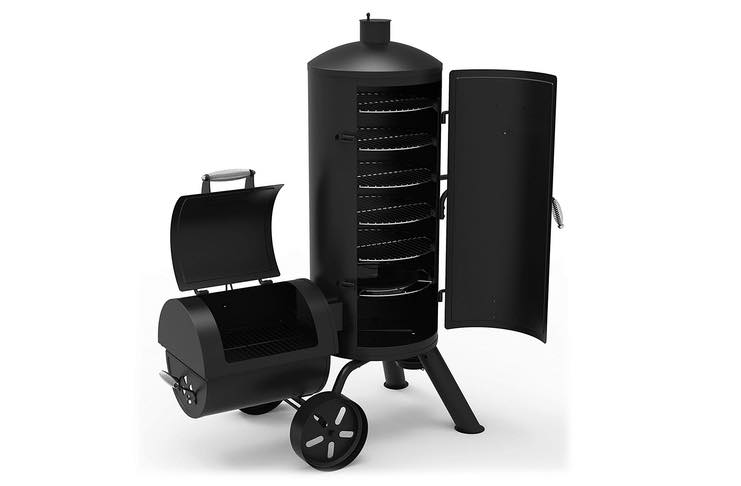
Vertical smokers stand upright, with food racks stacked above each other. Heat and smoke rise from the bottom, passing over each rack before exiting at the top. Most vertical smokers use either charcoal, gas, electricity, or pellets. The design is simple, but the results can be impressive.
Key Features
- Tall and slim: Saves floor space, fits in small areas. Even with a footprint as small as 2 feet by 2 feet, you can smoke enough food for a family meal. Some models are so compact, you can use them on apartment balconies.
- Stacked racks: Cook multiple items at once, but access can be tricky. For example, you might smoke fish on the top rack and chicken on the bottom, but you’ll have to lift out the top rack to reach the chicken.
- Heat source at the bottom: Promotes even smoking, but sometimes causes uneven heat in lower racks. The bottom rack gets the most direct heat, so it’s best for tougher cuts that need more cooking.
Common Types
- Vertical water smokers: Add moisture for tender meats. These smokers have a pan filled with water above the heat source, which keeps temperatures steady and prevents meat from drying out.
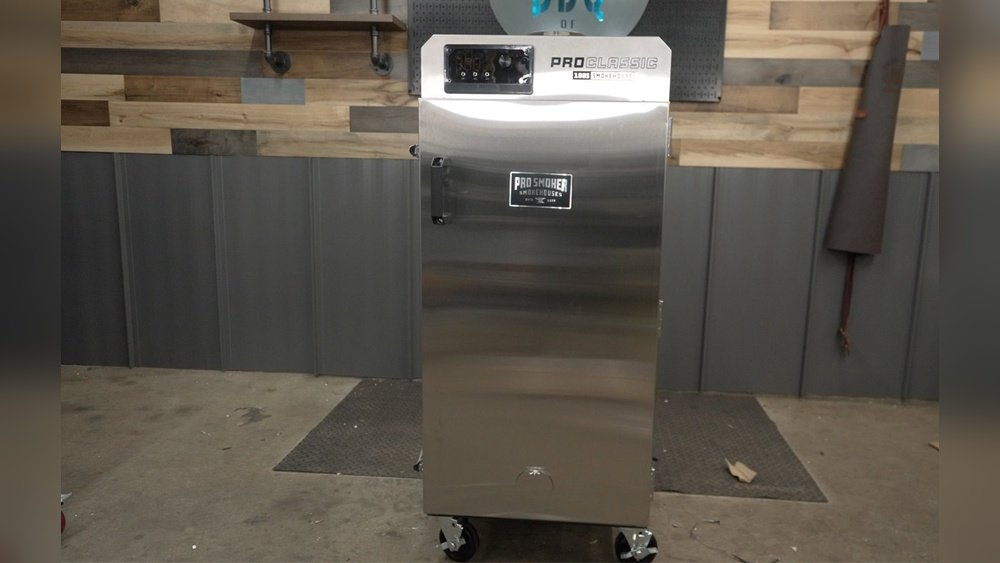
- Electric vertical smokers: Easy to control, perfect for beginners. Just set the temperature, add wood chips, and let it run—no need to watch the fire.
- Vertical pellet smokers: Combine convenience and smoky flavor. Pellets are fed automatically, so you get steady heat and smoke for hours.
Popular Models
- Weber Smokey Mountain: Known for reliability and consistent results. Many competition barbecue teams use this model for its quality and ease of use.
- Masterbuilt Electric Smoker: Offers digital controls and easy use. You can set timers, adjust temperature, and even use Bluetooth for remote monitoring.
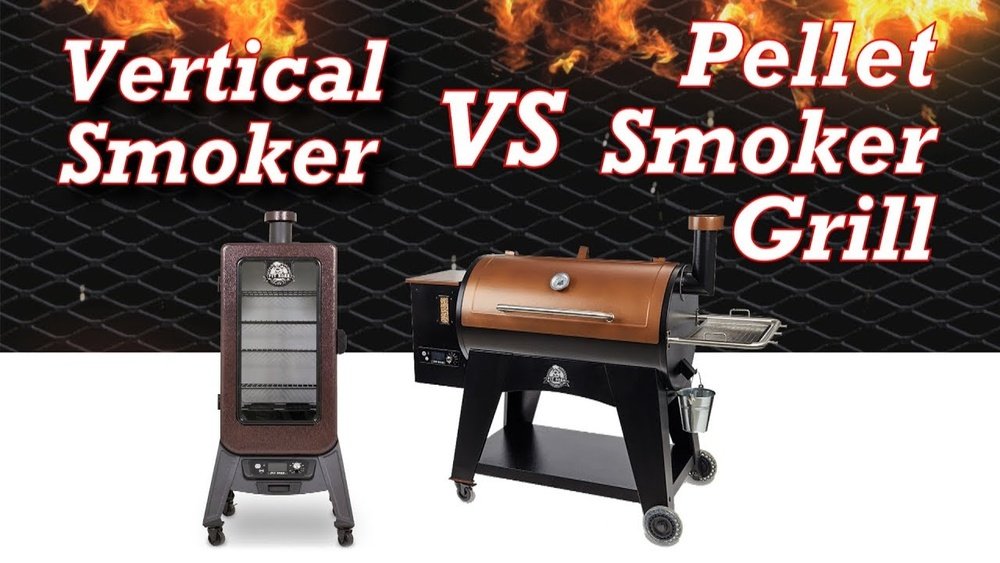
- Pit Boss Vertical Pellet: Good for advanced users needing more space. It has tall racks for sausage links, jerky, or big batches of chicken wings.
Some vertical smokers come with extra features like glass doors for easy viewing, built-in thermometers, and adjustable vents for precise control. These upgrades can make smoking more convenient and enjoyable, especially for people who want to experiment with different recipes.
What Are Horizontal Smokers?
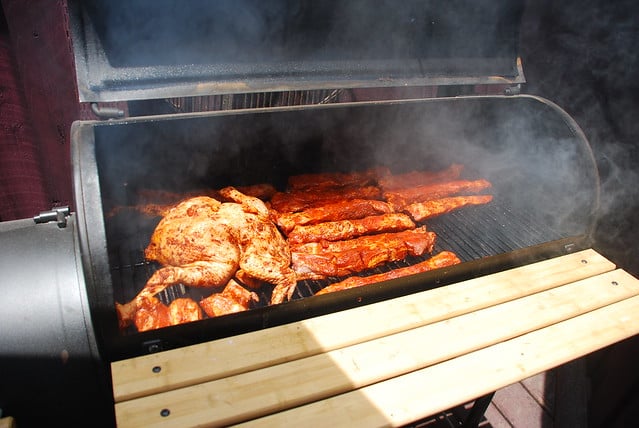
Horizontal smokers have a barrel or box shape, with racks placed side by side. The heat source is usually at one end, and smoke travels across the chamber before escaping. This style is often seen in offset smokers and horizontal pellet grills.
Key Features
- Wide, low profile: Needs more space but often holds larger cuts. You can fit a whole brisket or several racks of ribs without folding or cutting them.
- Side-by-side racks: Easier access, less vertical stacking. It’s simple to check and move food, which is important for slow-cooked barbecue.
- Heat source at one end: Can lead to hot spots, but allows for indirect cooking. You can place food farther from the fire for gentle smoking or closer for more heat.
Common Types
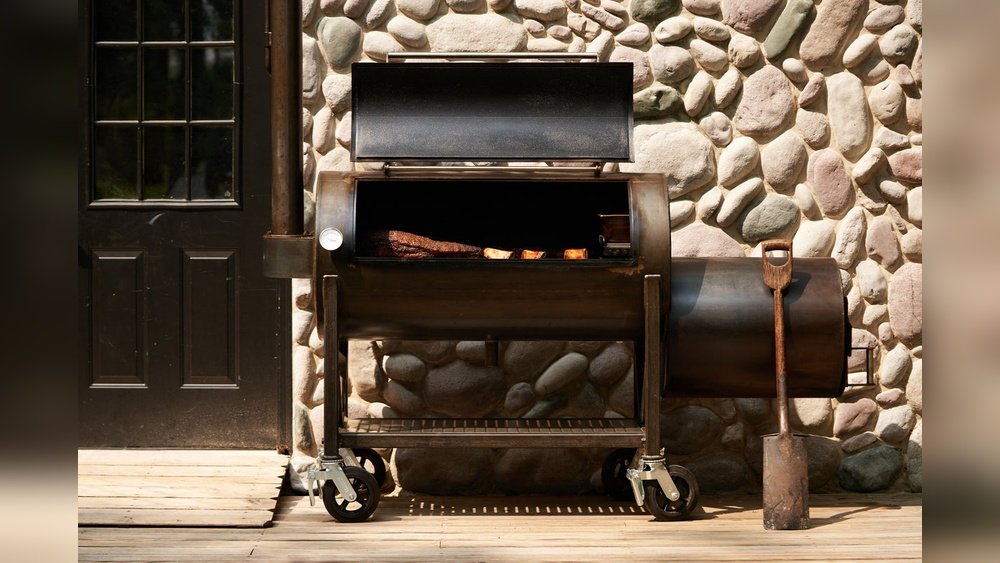
- Offset smokers: Classic design for authentic barbecue flavor. The firebox sits on the side, so smoke and heat flow horizontally through the main chamber.
- Horizontal pellet smokers: Modern, with precise controls. You set the temperature, and the smoker feeds pellets to maintain steady heat and smoke.
- Drum smokers: Simple, effective, and affordable. Made from steel drums, these smokers are popular for their strong smoke flavor and ease of use.
Popular Models
- Oklahoma Joe’s Highland Offset: Trusted by pitmasters. It’s made with thick steel for durability and holds heat well, even on windy days.
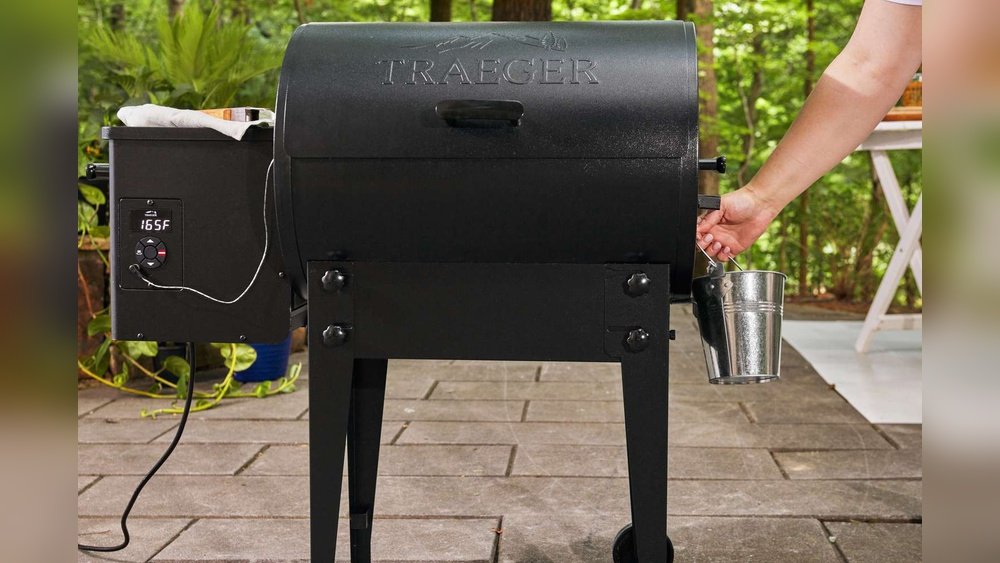
- Traeger Pro Series: Famous for consistent pellet smoking. It features digital controls and automatic pellet feeding for hands-off cooking.
- Char-Griller Barrel Smoker: Great for beginners and casual users. Its design is straightforward, making it easy to start learning barbecue basics.
Some horizontal smokers include extras like warming racks, built-in shelves for tools, and double-layered lids for better heat retention. These details matter for people who cook for crowds or want more control over their barbecue.
Vertical Vs Horizontal Smokers: Core Differences
Understanding how these smokers work helps you see why food tastes different and why certain styles suit some cooks better. Here’s a closer look at their differences.
Cooking Method
- Vertical: Heat rises from bottom to top. Ideal for slow smoking, but can make it hard to check food on lower racks. The rising smoke ensures each rack gets some exposure, but the bottom often cooks quicker.
- Horizontal: Heat moves horizontally. Good for large cuts and indirect cooking, but needs careful management to avoid hot spots. You can create “zones” by placing food near or far from the heat source.
For example, in a vertical smoker, you might place salmon on a top rack for gentler heat and chicken thighs below for faster cooking. In a horizontal smoker, you can smoke a brisket on one side and vegetables on another, adjusting their position as needed.
Space And Capacity
- Vertical smokers are perfect for small patios and tight spaces. Their stacked design lets you cook a lot without taking up much room. You can often fit several racks of chicken wings or multiple sausages in a space smaller than a kitchen table.
- Horizontal smokers need more space but often let you cook bigger items, like brisket or racks of ribs, without cutting them. They’re ideal for hosting parties or cooking for large families.
If you live in an apartment or have a small backyard, a vertical smoker is easier to fit. But if you want to smoke a whole turkey or several slabs of ribs, a horizontal smoker provides the space you need.
Heat And Smoke Distribution
- Vertical smokers sometimes struggle with even heat—top racks may cook differently than bottom racks. The heat can concentrate near the bottom, leading to faster cooking and more smoke flavor there.
- Horizontal smokers can suffer from hot spots near the heat source but are easier to control with practice. Many users adjust air flow and rotate food to achieve even results.
A common tip for vertical smokers is to rotate racks halfway through cooking. For horizontal smokers, moving food from the hot end to the cooler end helps prevent burning and ensures all cuts cook evenly.
Access To Food
- Vertical smokers force you to remove upper racks to reach food below. Not ideal for frequent checking. If you want to baste or check temperatures, you’ll need to take out the top racks first.
- Horizontal smokers let you open the lid and access all racks easily. This makes it easier to monitor cooking and adjust positions without disturbing the food.
For cooks who like to check or turn their food often, horizontal smokers are more convenient. If you prefer “set it and forget it” cooking, vertical smokers are less intrusive.
Vertical Smokers: Pros And Cons
Vertical smokers offer unique benefits, but also have some drawbacks. Here’s what to consider.
Advantages
- Efficient use of space: Fits anywhere, even small balconies. They’re ideal for city dwellers or anyone with limited outdoor room.
- Easy setup: Most models are simple to assemble and operate. You can start cooking with minimal training or experience.
- Affordable: Many entry-level models are budget-friendly. You can often find a quality smoker for less than $200.
- Moisture retention: Water pans help keep meat juicy. This is especially important for lean cuts like chicken breasts or turkey.
- Good for beginners: Electric and gas models are very forgiving. You don’t have to manage a fire or worry about temperature swings.
Another advantage is that vertical smokers often have fewer moving parts, making repairs and maintenance easier. Some models have removable racks and drip pans that make cleaning quick and simple.
Drawbacks
- Limited capacity for large cuts: Whole briskets or big pork shoulders may not fit. You might need to cut meat into smaller pieces, which can affect presentation and cooking times.
- Difficult access: Lower racks are hard to reach during cooking. This can make basting, turning, or checking temperatures awkward.
- Heat distribution issues: Sometimes the bottom racks cook faster. If you don’t rotate food, you can end up with uneven results.
- Less versatility: Not ideal for grilling or high-heat searing. Vertical smokers are mostly designed for low-and-slow cooking.
A less obvious drawback is that vertical smokers can lose heat quickly if you open the door often. This makes precise temperature control harder, especially if you like to check your food frequently.
Example: Cooking Chicken Wings
A vertical smoker can hold dozens of wings at once, thanks to stacked racks. However, you may notice the top wings are less smoky than those closer to the heat. Rotating racks halfway through can fix this, but it’s extra work.
If you want consistent flavor and color, plan to check and rotate the racks at least once during cooking. It’s also helpful to place larger wings closer to the bottom and smaller ones on top.
Horizontal Smokers: Pros And Cons
Horizontal smokers, especially offset models, have a strong following among barbecue fans. But they come with their own challenges.
Advantages
- Large cooking area: Perfect for big cuts and whole racks of ribs. You can cook for a crowd without running out of space.
- Easy access: All food is visible and reachable. This makes basting, turning, and checking temperatures much simpler.
- Better heat control: Can create “zones” for different cooking styles. For example, you can smoke brisket on one side and grill burgers on the other.
- Versatile: Many models can grill, smoke, and even bake. With the right accessories, you can roast vegetables, bake bread, or even make pizza.
Horizontal smokers also allow for more advanced techniques, like reverse searing or “Texas crutch” (wrapping meat in foil to speed up cooking). If you want to try competition-style barbecue, a horizontal smoker offers the flexibility you need.
Drawbacks
- Needs more space: Not ideal for small yards or patios. You’ll need a dedicated area, often at least 6 feet wide.
- Learning curve: Managing fire and smoke takes practice. You’ll need to watch temperatures, adjust vents, and rotate food.
- More expensive: Quality horizontal smokers cost more. Expect to pay $500 or more for a durable model.
- Hot spots: Some areas cook faster, so food needs to be rotated. If you don’t pay attention, you can burn one side and undercook another.
Another hidden challenge is that horizontal smokers are heavier and harder to move. If you plan to store your smoker or take it to events, consider the weight and portability.
Example: Smoking Brisket
A horizontal smoker lets you lay out a full brisket with room to spare. You can move it closer or farther from the fire as needed. Many pitmasters prefer this style for big meats because it gives them more control.
With a horizontal smoker, you can use the “two-zone” method: placing brisket on the cooler side for slow smoking, then moving it closer to the heat for finishing. This technique is harder to replicate in vertical smokers.
Comparing Performance: Flavor, Efficiency, And Maintenance
Many people want to know which smoker makes better food. Let’s compare their performance with specific factors.
Flavor Results
- Vertical smokers create a cleaner smoke flavor—ideal for poultry and fish. The rising smoke is less concentrated, giving a more subtle taste.
- Horizontal smokers develop deeper, richer flavors, especially for beef and pork. The longer smoke path and stronger heat create a more pronounced smoke ring.
A study by the National Barbecue Association found that offset horizontal smokers produced 20% higher smoke ring depth on brisket compared to vertical electric smokers. This is a sign of stronger flavor and better smoke penetration.
Some barbecue fans say that vertical smokers are better for delicate foods, like salmon or vegetables, where heavy smoke can overwhelm the taste. Horizontal smokers shine with heartier meats that can handle robust smoke.
Cooking Efficiency
- Vertical smokers heat up faster and use less fuel, thanks to their compact design. You can get to smoking temperature in 15–20 minutes.
- Horizontal smokers may take longer to heat and need more fuel, but they handle large batches better. For big events, efficiency improves when smoking multiple items at once.
If you want to cook quickly and for a small group, vertical smokers are more efficient. If you’re hosting a party or need to smoke several large cuts, horizontal smokers save time and energy overall.
Maintenance Needs
- Vertical smokers are easier to clean—drip pans catch grease, and racks are smaller. You can usually remove the racks and drip pan for cleaning in a sink.
- Horizontal smokers require more cleaning. Larger surfaces and fireboxes need regular attention. You’ll need to scrape grates, empty ash, and wipe down the firebox.
Some horizontal smokers include removable ash pans, which help make cleaning easier. For both types, regular maintenance extends the smoker’s life and keeps food tasting fresh.
Real-world Example
If you’re smoking salmon for a family dinner, a vertical smoker is faster and easier. But for a backyard barbecue with a dozen guests and three racks of ribs, a horizontal smoker is more efficient and delivers better flavor.
Another practical tip: If you have limited time, vertical smokers let you start and finish meals quickly. For weekend gatherings, horizontal smokers provide the space and control for memorable barbecue.
Credit: newyorkstreetfood.com
Data Comparison: Vertical Vs Horizontal Smokers
To make things clearer, here’s a performance table:
| Factor | Vertical Smoker | Horizontal Smoker |
|---|---|---|
| Cooking Area | 3–5 sq ft (stacked) | 6–10 sq ft (wide) |
| Heat Distribution | Top-to-bottom; can be uneven | Side-to-side; can have hot spots |
| Fuel Efficiency | High (less fuel needed) | Moderate (more fuel needed) |
| Ease of Cleaning | Easy | Moderate |
| Flavor Quality | Mild smoke flavor | Strong, deep smoke flavor |
Vertical Vs Horizontal Smokers: Price And Value
Cost is an important factor. Smokers range from $100 to over $2000, depending on features and build quality.
Price Range Overview
- Vertical smokers: $100–$500 for entry-level, up to $1200 for premium models. Budget models may use thinner steel or simpler controls, while premium models have thicker walls and digital controls.
- Horizontal smokers: $250–$800 for basic offset models, up to $2500+ for advanced pellet grills. Higher prices mean larger cooking areas, better temperature control, and longer durability.
What You Get For Your Money
- Lower-priced vertical smokers are perfect for beginners. They are simple and reliable, but may not last as long.
- High-end horizontal smokers are made for serious enthusiasts. They use thick steel, advanced pellet systems, and often have warranties of five years or more.
When choosing, consider not just the initial cost, but also the expected lifespan and maintenance needs. Cheaper smokers may need repairs or replacements sooner, while higher-end models last longer with regular care.
Example Price Table
| Type | Entry Price | Premium Price | Common Features |
|---|---|---|---|
| Vertical | $100 | $1200 | Stacked racks, water pan, electric/gas options |
| Horizontal | $250 | $2500+ | Large cooking area, offset firebox, pellet controls |
For both types, check for included accessories like covers, racks, and thermometers. These extras can save money and make smoking easier.
Practical Uses: Which Smoker Fits Your Cooking Style?
Your cooking habits and the foods you love matter most. Here’s how each smoker fits different needs.
Vertical Smokers: Best For
- Urban cooks: Space-saving for apartments and small homes. You can fit a vertical smoker on a balcony, patio, or even in a garage.
- Fish and poultry lovers: Gentle smoke, easy moisture control. The water pan keeps lean meats juicy, and the milder smoke is less likely to overpower delicate flavors.
- Quick family meals: Fast setup, less monitoring. You can smoke a batch of chicken or vegetables with minimal fuss.
Vertical smokers are also good for people who like to try different foods at once—smoke fish, vegetables, and chicken on separate racks, adjusting cooking times as needed.
Horizontal Smokers: Best For
- Traditional barbecue fans: Ribs, brisket, and pork shoulder. The wide racks and strong smoke flavor are perfect for classic barbecue dishes.
- Large gatherings: More space, more food. You can cook for a crowd without worrying about space.
- Experimenters: Can grill, bake, and smoke in the same unit. Horizontal smokers allow for creative cooking, like baking bread or roasting vegetables alongside meat.
Horizontal smokers are great for pitmasters who want to practice competition-style techniques or try new recipes. They allow more control over heat and smoke, which is essential for advanced barbecue.
Common Mistakes To Avoid
- Buying too small: Many people underestimate how much space they need. Always check rack sizes. For example, a brisket might not fit in a small vertical smoker, even if the specs say “large capacity.”
- Ignoring hot spots: Horizontal smokers need careful food placement. If you place all food near the firebox, some pieces may burn while others stay undercooked.
- Not rotating racks: Vertical smokers require rack rotation for even results. Failing to do this can lead to uneven color, flavor, and doneness.
Another mistake is not considering the climate. Smokers behave differently in cold or windy weather, so choose a model that fits your local conditions.
Real User Experiences: Vertical Vs Horizontal Smokers
To make this decision easier, let’s look at some real-world feedback from barbecue enthusiasts.
Vertical Smoker Experience
Diane, a beginner in New York, bought a vertical electric smoker to fit on her balcony. She found it easy to use and could smoke salmon, chicken, and vegetables with little fuss. However, she struggled when trying to smoke a whole brisket—it wouldn’t fit, and the flavor was milder than she expected.
She also noticed the smoker lost heat quickly when opened. Diane learned to minimize door openings and rotate racks halfway through for better results.
Horizontal Smoker Experience
Jose, a Texas pitmaster, uses a horizontal offset smoker for big parties. He loves the authentic smoke flavor and the ability to cook several briskets and ribs at once. But he admits the smoker needs more cleaning and takes longer to set up, especially on windy days.
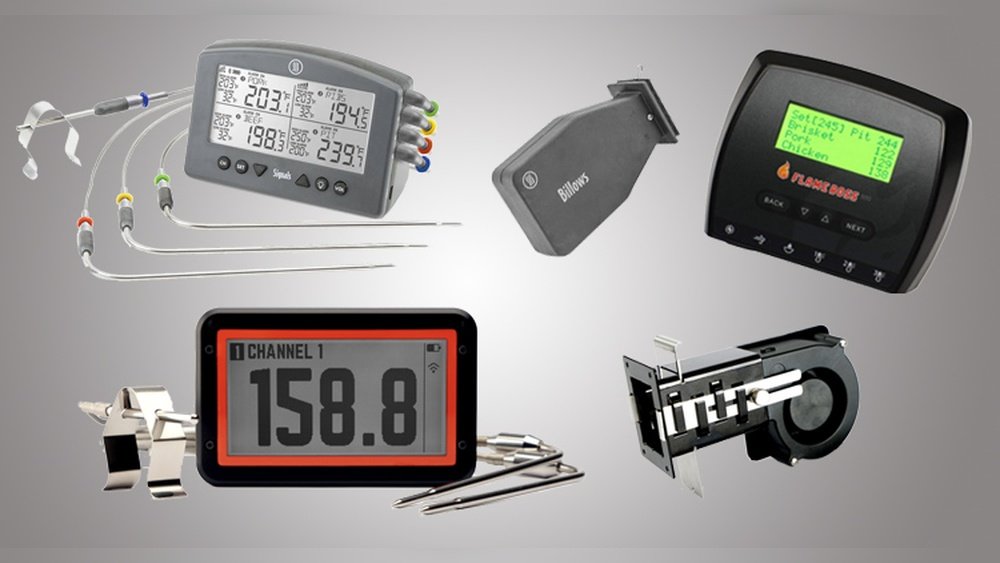
Jose also found that learning to manage fire and smoke took time. He now uses a digital thermometer and adjusts air vents to keep temperatures steady.
Unexpected Insights
- Humidity matters: Vertical smokers often retain more humidity, keeping meat juicy. But too much moisture can reduce smoke flavor. Adding only as much water as needed is key—more isn’t always better.
- Weather impact: Horizontal smokers are sensitive to wind and cold. If you live in a harsh climate, vertical electric models may perform better.
Another insight: Many users report that vertical smokers are easier for smoking vegetables and cheese, while horizontal smokers excel at large, tough cuts.

Credit: www.youtube.com
Advanced Comparison: Pellet Vs Charcoal, Electric Vs Gas
Both vertical and horizontal smokers come in different fuel types. Each has strengths and weaknesses.
Pellet Smokers
- Vertical: Compact, great for consistent heat. Pellet systems automate feeding, so you don’t have to monitor fuel.
- Horizontal: Wide cooking area, deep smoke flavor. Pellet grills are popular for their “set it and forget it” convenience, but still deliver strong flavor.
Pellet smokers are easy to use, but require electricity for the auger and controls. This is important if you plan to smoke food away from home or at campsites.
Charcoal Smokers
- Vertical: Authentic taste, but harder to manage. Charcoal gives strong smoke flavor, but requires attention to keep temperature steady.
- Horizontal: Best for barbecue purists, more hands-on. Managing charcoal and air flow is part of the process, but it’s also rewarding.
Charcoal smokers are often chosen for competitions and serious barbecue, but beginners may find them tricky.
Electric Smokers
- Vertical: Plug-and-play convenience, ideal for beginners. You set the temperature, add wood chips, and let it run.
- Horizontal: Rare, but can be found in some specialty models. Electric horizontal smokers are uncommon, but useful for indoor or commercial use.
Electric smokers are best for consistent results and easy operation. They’re ideal for people with limited time or experience.
Gas Smokers
- Vertical: Fast heating, easy to use. Gas models are popular for their speed and simplicity.
- Horizontal: Mostly commercial or custom-built. Gas horizontal smokers are rare outside of restaurant settings.
Gas smokers are less smoky than charcoal or pellet models, but still deliver good flavor. They’re often used for quick meals or when fuel is limited.
Key Data Table
| Fuel Type | Vertical | Horizontal | Ease of Use | Flavor Quality |
|---|---|---|---|---|
| Pellet | Yes | Yes | Very easy | Strong |
| Charcoal | Yes | Yes | Moderate | Deep |
| Electric | Yes | Rare | Easy | Mild |
| Gas | Yes | Rare | Easy | Mild |
Choosing The Right Smoker: Step-by-step Guidance
If you’re ready to buy, follow these steps to make a smart choice.
- Measure your space: Check available area for the smoker and safe clearance. Don’t forget to allow space for storage and cleaning.
- Decide your main foods: Brisket and ribs? Go horizontal. Fish and chicken? Vertical is better. Make a list of your favorite meals and check if they fit.
- Check your skill level: Beginners should consider electric or pellet vertical smokers. If you enjoy hands-on cooking, charcoal or offset smokers may suit you.
- Set your budget: High-end smokers last longer and offer more features. Consider not just the price, but warranty and after-sales support.
- Read reviews: Look for feedback from real users in climates and situations similar to yours. Online forums and barbecue groups are helpful.
- Consider maintenance: Are you willing to clean a large smoker after every use? Larger models require more effort.
- Think about fuel: Pellet smokers are easy but need electricity. Charcoal offers tradition but requires attention.
Common Buyer Mistakes
- Ignoring size: Many underestimate how much food they’ll cook. Think about holidays and gatherings, not just everyday meals.
- Overlooking access: Vertical smokers can be hard to reach during cooking. If you plan to check food often, horizontal smokers are easier.
- Chasing features: Don’t pay extra for gadgets you won’t use. Focus on build quality and cooking area first.
Another mistake: Not considering portability. If you want to move or store your smoker, check the weight and available wheels or handles.
Safety And Maintenance Tips
Smoking food is safe when you follow basic guidelines. Here are some important tips:
- Keep smokers away from flammable surfaces: Minimum 10 feet distance. Avoid placing smokers near fences, walls, or dry grass.
- Clean drip pans and racks: Prevent grease fires and bad flavors. Clean after each use to avoid buildup.
- Wear heat-resistant gloves: Protect your hands during cooking and cleaning. Look for gloves rated for barbecue use.
- Don’t overload racks: Allow smoke to circulate evenly. Overcrowding can lead to uneven cooking and poor flavor.
- Check for leaks: Make sure seals are tight to avoid heat loss. Replace worn gaskets or seals as needed.
Also, always monitor the smoker during use. Use digital thermometers for accurate readings and keep a fire extinguisher nearby for emergencies.
Environmental Impact: Which Smoker Is Greener?
Smoking food uses energy and creates emissions. Let’s look at which smoker is better for the planet.
- Electric vertical smokers are most efficient, using less energy and producing fewer emissions. They’re ideal for urban homes or places where air quality matters.
- Charcoal horizontal smokers use natural fuel but create more smoke and ash. While charcoal is renewable, it produces more particulate emissions.
- Pellet smokers balance convenience with moderate environmental impact, as pellets are made from compressed wood waste.
According to the EPA, electric smokers can reduce emissions by up to 60% compared to charcoal smokers. If sustainability is important, electric vertical models are a strong choice.
Another tip: Using high-quality pellets or natural lump charcoal can lower emissions and improve flavor. Avoid synthetic briquettes or treated wood.
Credit: www.cuttingedgefirewood.com
Repairs And Longevity
How long will your smoker last? It depends on build quality, maintenance, and use.
- Vertical smokers (especially electric) last 5–10 years with regular cleaning. Cheaper models may need replacement parts after a few years.
- Horizontal smokers (especially offset models) can last 15+ years if made from thick steel and cared for. Proper storage and cleaning are essential.
Look for features like rust-resistant coatings, stainless steel racks, and removable ash pans to improve longevity. Keeping your smoker covered and out of the rain extends its life.
If you plan to use your smoker often, choose a model with easy-to-find replacement parts and good customer support.
Expert Opinions: What Do Pitmasters Prefer?
Many professional barbecue chefs prefer horizontal smokers for classic barbecue. They say the design allows for better control and deeper flavor. However, some chefs use vertical smokers for competition cooking, thanks to their consistency and speed.
Aaron Franklin, a famous Texas pitmaster, recommends horizontal offset smokers for brisket, but agrees that vertical electric smokers are perfect for beginners and urban cooks.
Some experts suggest starting with a vertical smoker to learn the basics, then moving to a horizontal smoker as your skills grow. Others believe that dedicated barbecue fans should invest in high-quality horizontal models from the start.
Summary Table: Vertical Vs Horizontal Smokers At A Glance
Here’s a quick comparison for easy reference.
| Feature | Vertical Smoker | Horizontal Smoker |
|---|---|---|
| Best For | Small spaces, beginners, fish/poultry | Large cuts, barbecue, experienced cooks |
| Flavor | Mild, clean smoke | Deep, strong smoke |
| Ease of Use | Easy | Moderate |
| Versatility | Limited | High |
| Maintenance | Easy | Moderate to hard |
| Price Range | $100–$1200 | $250–$2500+ |
| Longevity | 5–10 years | 15+ years |
Frequently Asked Questions
What Is The Main Difference Between Vertical And Horizontal Smokers?
The main difference is in design and heat flow. Vertical smokers stack racks above the heat, using rising smoke. Horizontal smokers arrange racks side by side, with heat traveling across the chamber. This affects how food cooks, how much space you need, and the flavor you get.
Which Smoker Is Better For Beginners?
Vertical electric smokers are best for beginners. They are easy to use, need little attention, and fit in small spaces. Horizontal smokers require more skill to manage fire and temperature.
Are Horizontal Smokers Better For Large Gatherings?
Yes, horizontal smokers offer more cooking space and are ideal for big parties. You can cook whole briskets, ribs, and large pork shoulders without cutting them.
How Do I Prevent Uneven Cooking In Vertical Smokers?
Rotate racks halfway through cooking, place thicker cuts on lower racks, and check temperature at different levels. Some models have adjustable vents to help balance heat.
What Is The Best Fuel For Smokers?
It depends on your goals. Charcoal gives the deepest smoke flavor, pellets are easy and consistent, electric is clean and simple, and gas is fast but less smoky. Choose based on flavor, ease, and your available resources.
—
Choosing between a vertical and horizontal smoker is about more than design—it’s about your lifestyle, cooking goals, and the flavors you love. Each style has unique strengths. If you’re new and want easy, quick meals, a vertical smoker is a smart start. If you dream of authentic barbecue and big gatherings, a horizontal smoker will deliver. Take your time, weigh your options, and remember: the best smoker is the one you’ll use often and enjoy. For more information, check out the National Barbecue Association for expert advice and tips. Your barbecue adventure starts with the right smoker—choose wisely and savor every bite.