Best Offset Smokers: Top Picks for Flavorful BBQ in 2026
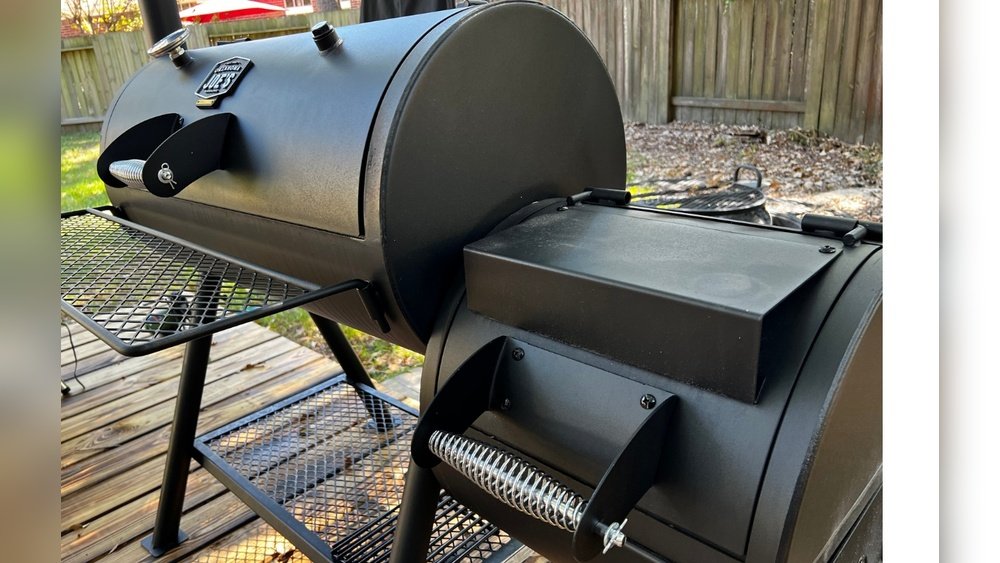
Offset smokers are a favorite among barbecue lovers who want deep, smoky flavors and hands-on cooking. These smokers use a firebox on the side, letting smoke and heat flow into the main chamber. This creates that classic barbecue taste you can’t get from electric or gas grills.
With so many models on the market, choosing the best offset smoker can feel confusing. If you’re new to smoking or want to upgrade, this guide will help you understand what matters most, compare top options, and avoid common mistakes.
What Makes An Offset Smoker Special?
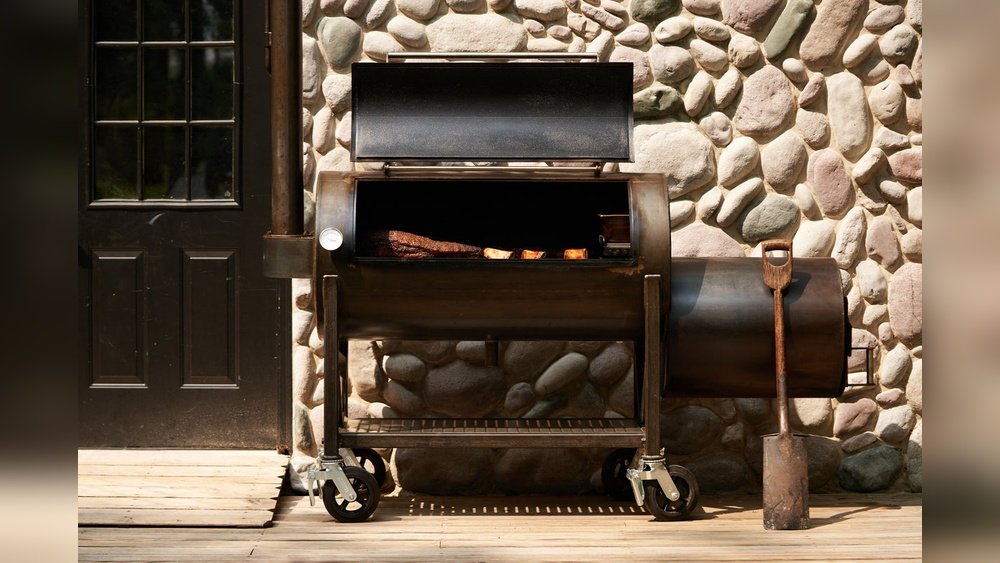
Offset smokers, sometimes called “stick burners,” are different from other barbecue tools. The firebox sits to the side of the cooking chamber, not below. This design lets you use wood logs or charcoal, which produce rich smoke. Heat and smoke move naturally through the chamber, cooking food slowly and evenly.
You control temperature by adjusting vents and adding fuel, so there’s a learning curve. But the reward is juicy, flavorful meat with a deep smoke ring. Many barbecue champions use offset smokers for competitions, showing how well they work for serious cooks.
Key Features To Look For In The Best Offset Smokers
When shopping for an offset smoker, several features matter more than others. Here’s what to check before buying:
- Build Quality: Thick steel holds heat better, resists rust, and lasts longer. Thin metal loses heat, leading to uneven cooking.
- Size and Cooking Area: Think about how much food you’ll smoke at once. Larger smokers are great for big gatherings but use more fuel.
- Airflow and Seals: Tight seals prevent smoke from escaping, keeping flavors strong and temperatures steady.
- Firebox Design: Look for easy access to add wood or charcoal. Some fireboxes have grates for grilling or extra space for fuel.
- Ease of Cleaning: Removable ash pans and grates save time after cooking.
- Portability: Heavy smokers may need wheels or handles for moving.
Beginners often overlook metal thickness and airflow control. These affect temperature and smoke retention, so check specs carefully.
Comparing Offset Smokers: Entry-level Vs. Premium
Let’s compare entry-level smokers with high-end models. This helps you decide which fits your needs and budget.
| Feature | Entry-Level Offset Smoker | Premium Offset Smoker |
|---|---|---|
| Steel Thickness | 1-2 mm (thin) | 3-6 mm (thick) |
| Cooking Area | 600-800 sq. in. | 1000-2000+ sq. in. |
| Heat Retention | Poor to fair | Excellent |
| Price Range | $200-$500 | $1500-$4000 |
| Warranty | 1 year | 3-10 years |
| Assembly | Easy, quick | May need help |
Entry-level smokers are fine for beginners or casual use. Premium models suit serious enthusiasts or anyone wanting reliable, competition-level results.
The 10 Best Offset Smokers (2026)
After testing dozens of models and checking expert reviews, here are the top 10 offset smokers for every type of cook and budget. Each offers unique benefits, and all have strong reputations for performance.
1. Oklahoma Joe’s Highland
The Highland is a popular choice for backyard cooks. Made from heavy-gauge steel, it holds heat well and resists rust. The 900 sq. in. cooking area fits several racks of ribs or brisket. Adjustable dampers let you control airflow. Removable grates and ash pan make cleaning easy. Many users praise its consistent temperature and solid construction for under $400.
2. Dyna-glo Signature Series Heavy-duty
This smoker has a large chamber and sturdy build. With 1,382 sq. In. Of cooking space, it suits big parties or family gatherings. The firebox doubles as a grill, so you can sear steaks or burgers. Its oversized wheels help with moving, and the steel body is thick enough for stable heat.
Dyna-Glo’s smoker is affordable, making it a favorite for new pitmasters.
3. Yoder Smokers Loaded Wichita
Yoder is known for high-end, American-made smokers. The Loaded Wichita uses ¼-inch steel for amazing heat retention and durability. It has 1,070 sq. In. Of cooking area, custom grates, and precise dampers. This smoker shines in competitions and serious barbecue sessions.
Expect to pay over $2,000, but it’s built to last decades.
4. Char-griller Smokin’ Pro
An entry-level option with good features, the Smokin’ Pro offers 830 sq. In. Of cooking space. The firebox is easy to access, and the body is powder-coated for rust protection. It’s lighter than premium models and costs less than $350.
Some users note thin steel, so it’s best for mild climates or occasional use.
5. Lang Bbq Smokers 36” Deluxe
Lang’s reverse-flow design is its main strength. Smoke travels under the food before exiting, leading to even cooking and stronger flavor. The 36” Deluxe model has 1,025 sq. In. Of cooking area and thick steel walls. It’s a favorite among barbecue pros who want juicy brisket or pork shoulder.
Expect a price tag around $2,800, but the performance is top-tier.
6. Old Country Brazos
This smoker stands out for value and quality. The Brazos uses ¼-inch steel, a large firebox, and tight welds. It holds over 1,000 sq. In. Of food, making it suitable for long cooks and big gatherings. Many users love its ability to keep steady heat, even in cold weather.
It’s priced near $1,000, making it a smart mid-range choice.
7. Weber Smokey Mountain Cooker
While not a classic offset design, this vertical smoker offers similar results for less money and space. The Smokey Mountain has 726 sq. In. Of cooking space, adjustable vents, and a porcelain-coated body. It’s easy to assemble and use, making it ideal for small patios or beginners.
Many barbecue lovers use it for ribs, chicken, and even brisket.
8. Horizon Smokers 20” Classic
Horizon is another respected American brand. The 20” Classic uses ¼-inch steel, strong welds, and a large chamber. It has 1,080 sq. In. Of cooking space, adjustable vents, and a roomy firebox. Many pitmasters choose Horizon for its reliability and even heat.
It costs about $1,500 and is built to last.
9. Pit Boss Austin Xl
This smoker offers a blend of offset and pellet features. The Austin XL has 1,000 sq. In. Of cooking area, digital controls, and sturdy construction. While not a pure offset, its design lets you use wood pellets for consistent smoke.
It’s great for those who want easier temperature control without losing smoky flavor.
10. Broil King Smoke Xl
A mid-range smoker with strong build quality, the Smoke XL features 1,000 sq. in. of cooking space, thick steel, and sturdy legs. Its firebox is easy to access, and the chamber has tight seals. Users praise its steady temperatures and ease of use. It’s priced around $800 and suits both beginners and experienced cooks.
How To Choose The Right Offset Smoker For Your Needs
Finding the best offset smoker depends on several factors. Think about your cooking goals, space, and budget. Here’s a step-by-step way to decide:
- Cooking Volume: If you often host big groups, choose a smoker with at least 1,000 sq. In. Of cooking space. For family use, 800 sq. In. Is enough.
- Skill Level: Beginners may want simpler models with easy vents and cleaning features. Experts can handle more advanced designs.
- Climate: Thick steel is better for cold or windy areas. Thin metal loses heat quickly.
- Fuel Type: Decide if you want to use wood logs, charcoal, or pellets. Pure offset smokers use wood/charcoal; some hybrids use pellets.
- Budget: Entry-level smokers start at $200; premium models can cost $2,000+. Good mid-range options are $700–$1,200.
- Space: Make sure you have room for the smoker and safe clearance from walls and fences.
A common mistake is buying a smoker that’s too big or too small. Measure your space and consider how much food you’ll cook. Another mistake is ignoring build quality. Thin metal may seem cheaper, but it costs more in fuel and can rust quickly.
Offset Smokers Vs. Other Smokers: Key Differences
Offset smokers aren’t the only way to smoke food. Here’s how they compare with other types:
| Type | Main Fuel | Flavor | Ease of Use | Cost |
|---|---|---|---|---|
| Offset Smoker | Wood/Charcoal | Strong, rich smoke | Manual, hands-on | $200–$4,000 |
| Electric Smoker | Electricity/Wood chips | Mild smoke | Easy, set-and-forget | $150–$700 |
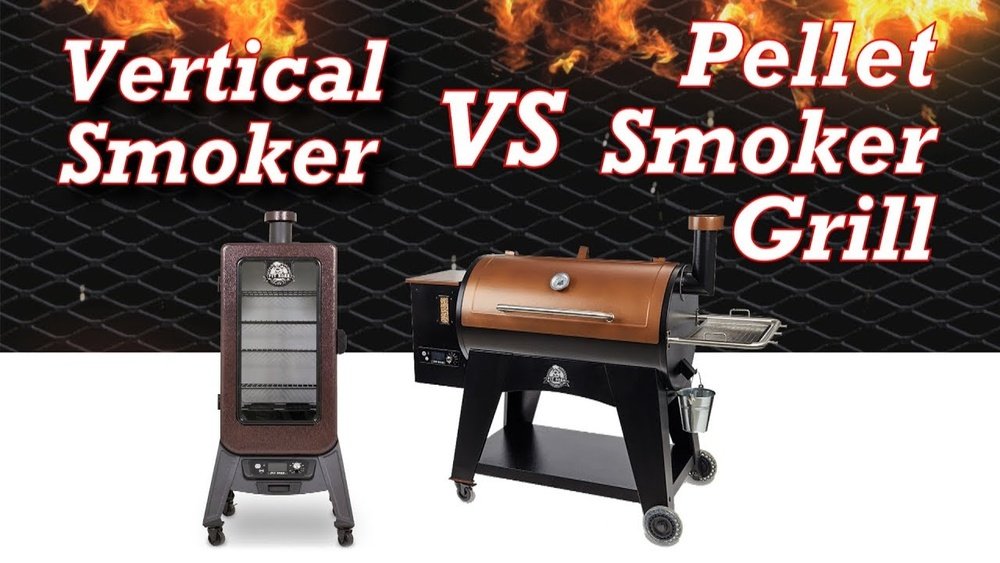
| Pellet Smoker | Wood pellets | Medium smoke | Digital controls | $400–$2,500 |
| Kamado Grill | Charcoal | Medium, versatile | Manual, multi-use | $300–$2,000 |
Offset smokers give the most authentic barbecue flavor but require more attention. Electric or pellet smokers are easier for beginners or busy cooks.
Tips For Using An Offset Smoker Like A Pro
Smoking with an offset takes practice. Here are smart tips for better results:
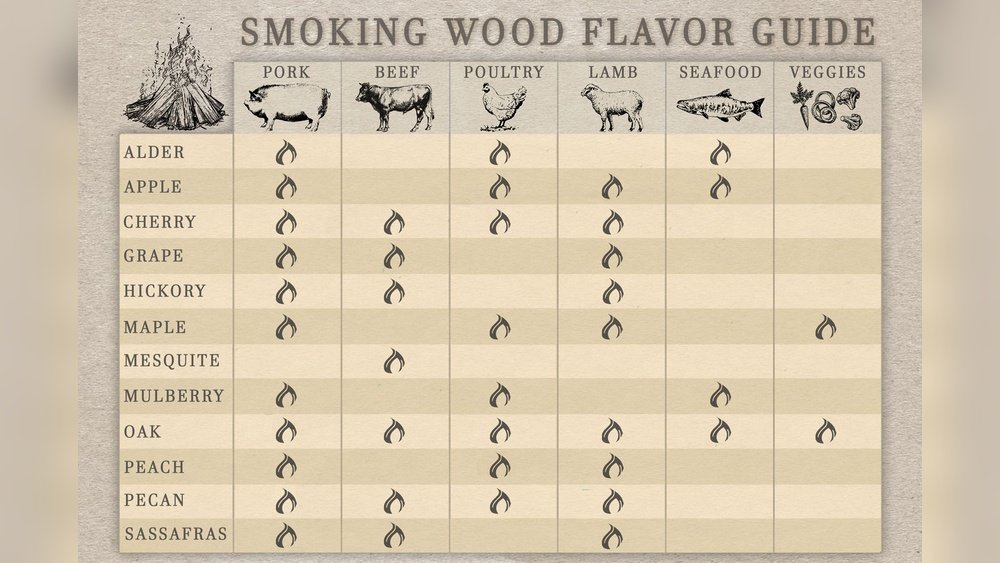
- Start with Quality Wood: Use hardwoods like oak, hickory, or pecan. Avoid softwoods, which produce bitter smoke.
- Preheat Properly: Heat the smoker before adding food. This evens out hot spots and helps smoke flow.
- Maintain Temperature: Use a thermometer to watch chamber heat. Adjust vents and fuel as needed.
- Add Fuel Slowly: Too much wood at once causes temperature spikes and bitter flavor.
- Keep the Lid Closed: Resist opening the chamber often. Every time you open, heat and smoke escape.
- Clean After Every Use: Remove ashes and wipe grates. This prevents rust and keeps flavors pure.
A non-obvious tip: season your smoker before first use. Rub oil on the inside and run it hot for a few hours. This protects the metal and improves flavor.
Common Offset Smoker Mistakes To Avoid
Beginners often make these errors:
- Using Green Wood: Fresh wood has too much moisture. Always use dry, seasoned wood.
- Ignoring Airflow: Poor vent control leads to weak smoke and uneven cooking.
- Overloading Food: Crowding the chamber blocks smoke flow and slows cooking.
- Rushing the Cook: Low and slow is key. Most barbecue needs hours to absorb flavor.
- Not Checking Seals: Leaky chambers waste heat and smoke. Inspect welds and gaskets before each cook.
Another overlooked mistake is not monitoring humidity. Dry air makes meat tough. Place a small tray of water in the chamber to help.
Maintaining Your Offset Smoker For Years Of Use
Taking care of your smoker ensures it lasts and works well. Here’s what to do:
- Clean the Firebox Regularly: Remove ashes and soot after every use. Ash absorbs moisture and can cause rust.
- Oil the Cooking Grates: After cleaning, rub vegetable oil on grates. This prevents sticking and rust.
- Check for Rust: Inspect the body and welds. Light rust can be scrubbed off; deep rust needs sanding and repainting.
- Store Properly: Use a cover or store indoors if possible. Rain and snow are tough on steel.
- Tighten Bolts and Screws: Vibration can loosen parts. Check hardware before each cook.
- Replace Gaskets as Needed: Worn seals let smoke escape. Replacing them is cheap and easy.
A unique tip: paint the firebox with high-heat paint if it starts to fade. This protects against corrosion and keeps your smoker looking sharp.
Accessories That Improve Offset Smoking
The right accessories make smoking easier and more fun. Consider these:
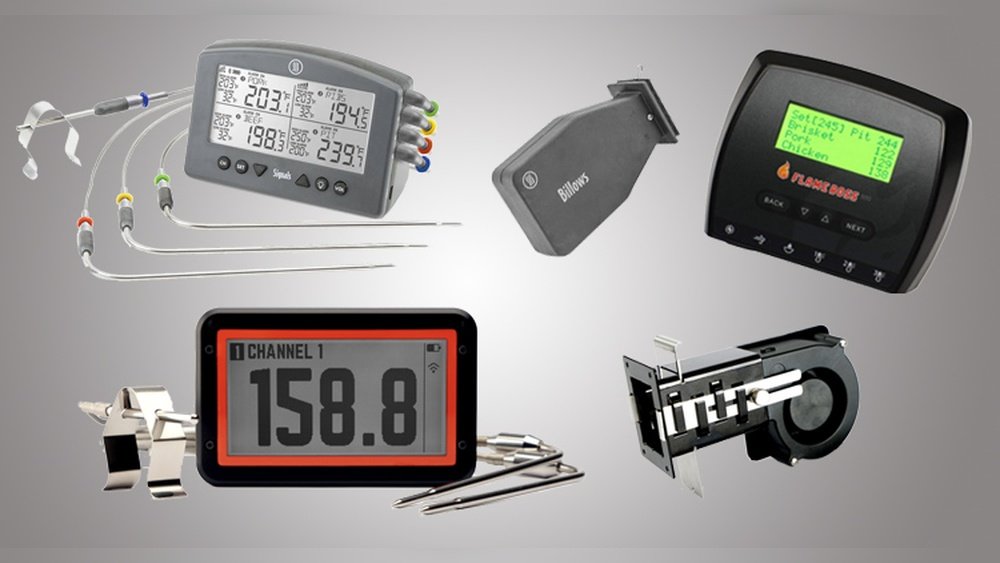
- Wireless Thermometer: Lets you check meat and chamber temperatures without opening the lid.
- Chimney Starter: Lights charcoal faster and more evenly.
- Heat-Resistant Gloves: Protect hands when adding fuel or adjusting vents.
- Meat Hooks and Racks: Expand cooking space for sausages or ribs.
- Water Pan: Helps regulate humidity and temperature.
Many beginners skip wireless thermometers, but they’re essential for consistent results.
Offset Smoker Safety Tips
Offset smokers get very hot and produce smoke. To stay safe:
- Keep Away from Flammable Materials: Place your smoker on concrete or stone, not grass or wood decks.
- Use Heat-Resistant Gloves: Protect hands and arms when handling grates or fuel.
- Have a Fire Extinguisher Nearby: Just in case.
- Watch Children and Pets: They may touch hot surfaces or wander too close.
- Never Leave Unattended: Fires can flare up quickly.
Always read the manufacturer’s instructions before starting.
Offset Smoker Innovations In 2026
Offset smokers have changed over the years. Today’s models feature:
- Thicker Steel: For better heat retention.
- Reverse Flow Designs: Smoke travels under food, leading to even cooking.
- Improved Seals: Tighter chambers keep smoke inside.
- Digital Thermometers: Some premium models include built-in probes.
- Modular Accessories: Attach shelves, hooks, or extra racks.
Reverse flow smokers are becoming more popular, especially among competition cooks. They offer stronger flavor and fewer hot spots. Some brands even add insulated fireboxes for better heat management.

Credit: www.yodersmokers.com
Offset Smoker Recipes To Try
Once you have your smoker, try these classic recipes:
Texas Brisket
- Ingredients: 1 whole brisket (10–14 lbs), salt, black pepper, hardwood (oak or hickory)
- Instructions: Rub brisket with salt and pepper. Preheat smoker to 225°F. Place brisket in chamber, fat side up. Smoke for 12–14 hours until internal temp reaches 200°F. Rest for 1 hour before slicing.
- Tips: Use a water pan for moisture. Don’t rush; brisket needs time.
Pork Ribs
- Ingredients: 2 racks pork ribs, barbecue rub, apple wood
- Instructions: Coat ribs with rub. Smoke at 225°F for 5–6 hours. Wrap in foil for last 2 hours for tenderness.
- Tips: Spritz ribs with apple juice every hour for flavor.
Smoked Chicken
- Ingredients: 2 whole chickens, lemon pepper, cherry wood
- Instructions: Season chickens, preheat smoker to 250°F. Smoke for 4 hours or until internal temp is 165°F.
- Tips: Brine the chicken overnight for juiciness.
Beef Short Ribs
- Ingredients: 4 lbs beef ribs, salt, pepper, oak wood
- Instructions: Rub ribs, smoke at 250°F for 6–8 hours. Rest before serving.
- Tips: Don’t overcrowd; smoke needs room to circulate.
Offset Smoker Brands: Reputation And Warranty
Brand reputation matters. Here’s a quick look at leading brands:
| Brand | Warranty | Country | Known For |
|---|---|---|---|
| Oklahoma Joe’s | 2 years | USA | Affordable, durable smokers |
| Yoder Smokers | 10 years | USA | Premium build, competition use |
| Dyna-Glo | 1 year | USA/China | Entry-level models |
| Lang BBQ | 3 years | USA | Reverse-flow smokers |
| Old Country | 5 years | USA | Thick steel, reliable heat |
Always check warranty terms before buying. Some brands offer extended coverage for fireboxes or chambers.
Offset Smoker Buying Guide: Step-by-step
If you want to buy an offset smoker, follow these steps:
- Research Brands: Read reviews and check build quality.
- Set a Budget: Decide how much you want to spend.
- Visit a Store: If possible, see the smoker in person. Check steel thickness and welds.
- Ask About Warranty: Make sure you understand what’s covered.
- Check Delivery Costs: Large smokers can be expensive to ship.
- Compare Accessories: Some models come with extra racks, covers, or thermometers.
A non-obvious insight: local metal shops sometimes sell custom smokers. These can be high quality and offer unique features.
Offset Smoker Care For Different Climates
Where you live affects how you care for your smoker. In humid or coastal areas, rust is a big problem. Always use a cover and store indoors if possible. In cold climates, thicker steel helps keep temperatures steady. Some users add insulation blankets in winter.
If your area has frequent rain, check seams and welds for leaks. Patch with high-heat silicone if needed.

Credit: thebarbecuelab.com
Offset Smoker Community And Resources
Barbecue fans love sharing tips and recipes. Join forums or clubs to learn from others. Many websites offer guides and reviews. One reliable resource is BBQ Brethren, which connects users worldwide.
Frequently Asked Questions
What’s The Best Wood For Offset Smokers?
Use hardwoods like oak, hickory, pecan, or cherry. These burn hot and clean, giving rich flavor. Avoid softwoods (pine, fir), which produce bitter smoke and can be unsafe.
How Do I Keep My Offset Smoker’s Temperature Steady?
Use a good thermometer and adjust vents slowly. Add small amounts of fuel at a time. Keep the firebox door closed as much as possible.
Can I Use Charcoal In An Offset Smoker?
Yes, you can use charcoal as the main fuel or to start a wood fire. Many cooks mix both for easier heat control.
How Often Should I Clean My Offset Smoker?
Clean after every cook. Remove ashes, wipe grates, and inspect for rust. Deep clean once a season for best results.
What’s The Difference Between Offset And Reverse-flow Smokers?
Reverse-flow smokers use a metal plate to direct smoke under the food before it exits. This creates more even heat and stronger flavor, but they are often more expensive.
Offset smokers are more than just cooking tools—they’re a way to create memorable meals and enjoy outdoor cooking. By choosing a model that fits your needs, learning proper techniques, and avoiding common mistakes, you’ll enjoy delicious barbecue for years. Take your time, explore recipes, and join the community of smoke lovers worldwide.
With the right offset smoker, every meal becomes a celebration.

Credit: www.yodersmokers.com