Smoker Temperature Control: Master Perfect BBQ Every Time
Smoker temperature control is one of the most important skills for anyone who wants to cook great barbecue. Whether you use a charcoal, electric, pellet, or gas smoker, managing heat is the key to juicy, flavorful meats with the perfect smoke ring.
Many people think temperature control is only about turning knobs or adding fuel, but real mastery takes patience, practice, and understanding how your smoker works. Today, we’ll dive deep into the science, methods, and real-world tricks for keeping your smoker at the right temperature, with clear examples and advice you can use in your next cook.
Why Smoker Temperature Matters
When you smoke food, temperature isn’t just a number—it’s the foundation of flavor and texture. Most smoked meats, like brisket, ribs, and pork shoulder, need low and slow cooking around 225°F to 250°F. Too hot, and the meat dries out; too cold, and it won’t cook safely or develop the right taste.
Temperature also affects how smoke interacts with food. For example, at higher temperatures, smoke can become bitter and harsh. At lower temperatures, it’s gentler and creates a smooth, rich flavor. Consistent temperature helps break down tough fibers in meat, turning them tender and juicy. Even a small swing of 20°F can change the final result.
One non-obvious insight: The target temperature isn’t the same for every meat. Fish and poultry often need higher temperatures (275°F to 325°F) to cook safely and avoid a rubbery texture. Understanding these differences is a sign of an experienced pitmaster.
Types Of Smokers And Their Temperature Profiles
Different smoker types behave differently when it comes to temperature. Let’s look at the main types:
| Smoker Type | Typical Temp Range | Ease of Control | Best For |
|---|---|---|---|
| Charcoal | 180°F – 350°F | Medium | Traditional BBQ |
| Electric | 100°F – 275°F | Easy | Cold & Hot Smoking |
| Pellet | 150°F – 500°F | Easy/Medium | All meats |
| Gas | 180°F – 350°F | Easy | Quick BBQ |
Charcoal Smokers
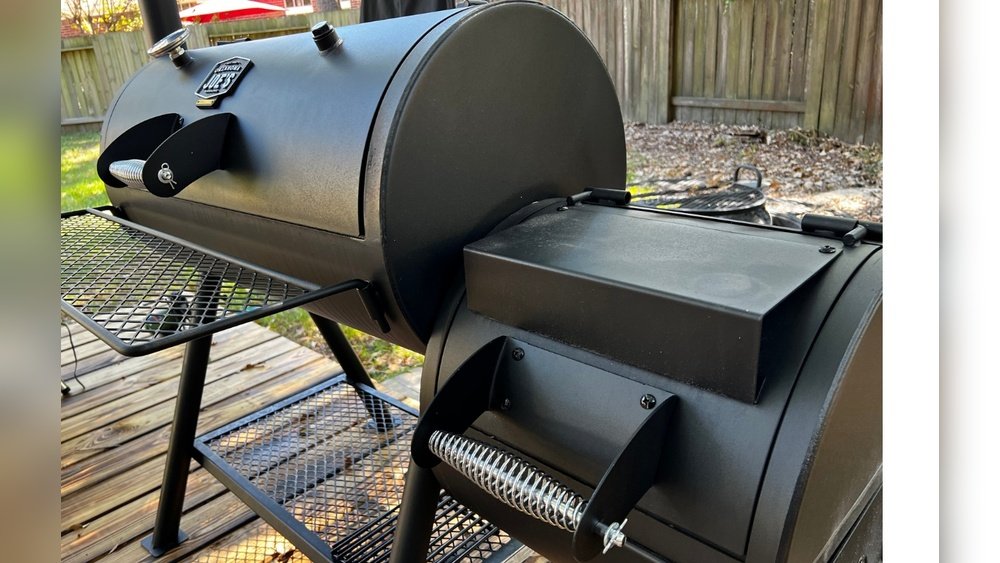
Charcoal smokers are classic and often used for competitions. They give authentic smoke flavor but require more attention. You need to manage air flow and fuel to keep temperatures steady.
Electric Smokers
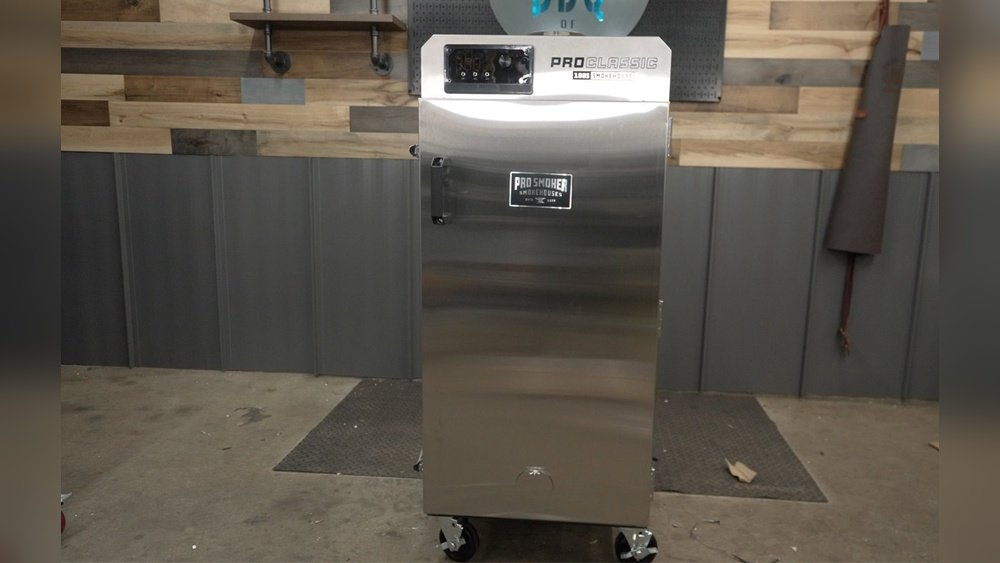
Electric smokers are simple to use. You set the temperature, and the smoker’s heating element keeps it there. They are great for beginners but usually don’t get as hot as other types.
Pellet Smokers
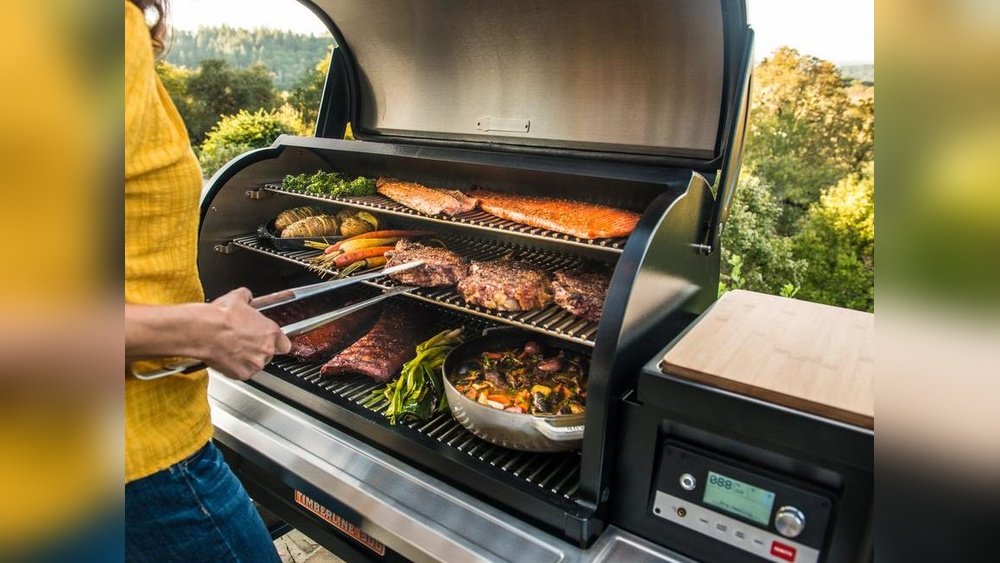
Pellet smokers use compressed wood pellets and an electric auger to feed fuel. They offer good control, and many models have digital thermostats. Pellet smokers are popular because they combine smoky flavor with easy operation.
Gas Smokers
Gas smokers use propane, making them easy to start and control. While they are less smoky than wood or charcoal, their convenience is a big plus for busy cooks.
The Science Behind Temperature Control
Understanding how your smoker creates and holds heat is the first step to mastering temperature. Here are a few basics:
- Heat source: Charcoal, gas, pellets, or electric element.
- Air flow: Oxygen feeds the fire and moves heat and smoke.
- Insulation: The smoker’s body and seals affect how much heat escapes.
- Thermodynamics: Heat rises, cool air sinks, and temperature can change fast if you open the lid.
A common mistake is ignoring insulation. Thin metal smokers lose heat quickly, especially in cold weather. Investing in a well-insulated smoker pays off in easier temperature management.
Another insight: The placement of your food matters. Meat closer to the heat source cooks faster and may get hotter than meat placed higher or farther away. Rotate and move food if you notice uneven cooking.
Essential Tools For Controlling Smoker Temperature
Having the right tools makes temperature control easier:
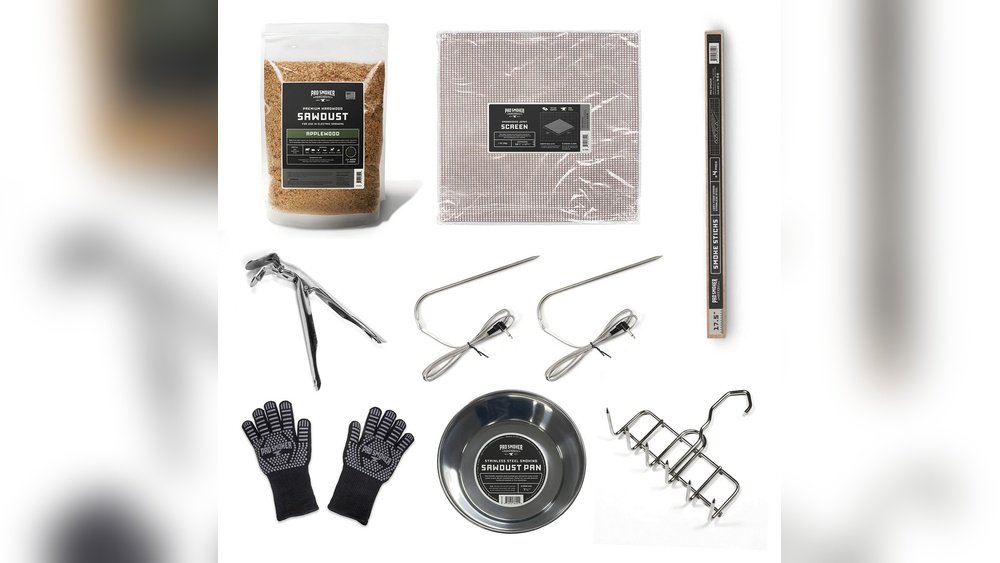
- Digital thermometer: Always use at least one probe to monitor smoker temperature. Dual-probe models track both the smoker and meat.
- Remote thermometer: Lets you watch temperatures without opening the lid. Many modern models connect to phones.
- Heat-resistant gloves: For adjusting vents or handling hot parts.
- Charcoal chimney: Helps you add lit coals quickly without cooling down the smoker.
- Smoker cover: Keeps your smoker protected from wind and rain, which can affect temperature.
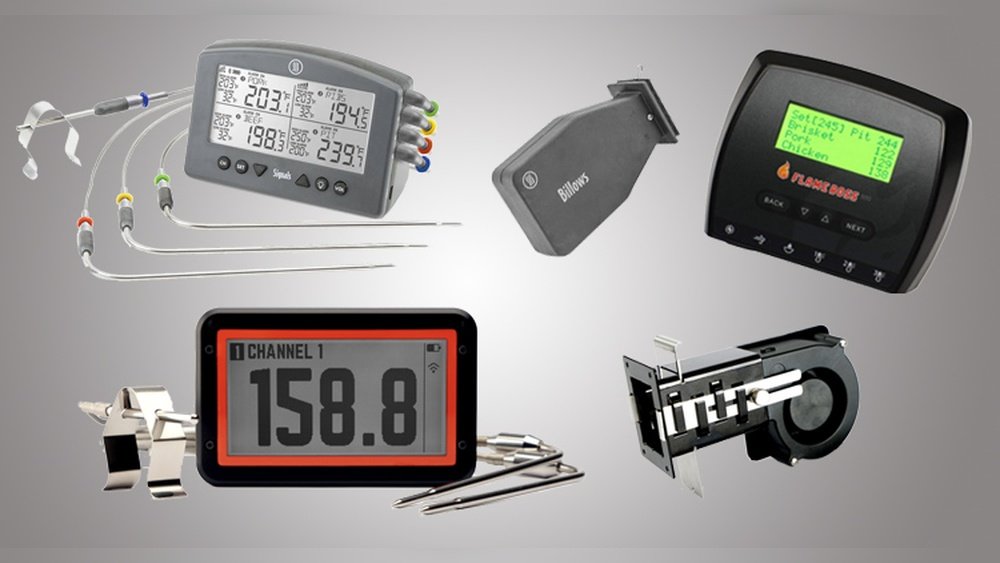
Some advanced pitmasters use automatic temperature controllers. These devices use fans and sensors to adjust air flow, keeping charcoal smokers at a set temperature.
Setting Up Your Smoker For Stable Temperatures
Preparation is key. Before you even light the fire, follow these steps:
- Clean the smoker: Old grease and ash block air flow and affect heat.
- Check seals: Make sure doors and lids close tightly.
- Fill water pan (if your smoker has one): Water helps regulate temperature and adds humidity.
- Place thermometers: Position one at grate level (where the food sits) for accurate readings.
Lighting your smoker correctly is crucial. For charcoal smokers, use a chimney starter and let the coals burn until they are covered in white ash. For pellet or electric smokers, follow manufacturer instructions.
Managing Air Flow: The Heart Of Temperature Control
Air flow is how you control temperature in most smokers. More oxygen means a hotter fire; less oxygen cools it down. Here’s how to manage it:
- Intake vent: Usually at the bottom, controls how much air enters.
- Exhaust vent: Usually at the top, lets smoke and hot air escape.
To raise temperature, open the intake vent. To lower it, close it a bit. Adjust slowly—changes can take 10-20 minutes to show up.
One beginner mistake is ignoring the exhaust vent. Keeping it too closed can lead to dirty smoke and bitter flavor. Always keep the exhaust vent at least partly open.
Adjusting Fuel For Temperature Control
Fuel type and amount affect how hot your smoker gets. Here’s what to watch for:
- Charcoal: Add more briquettes for higher heat. Use lump charcoal for faster heat changes.
- Wood: Add small pieces for smoke flavor. Too much wood can spike temperature.
- Pellets: In pellet smokers, set your desired temperature and let the auger feed pellets as needed.
- Gas: Turn the knob to increase or decrease burner output.
A non-obvious tip: Don’t pile fuel too high. Too much at once can create a fire that’s hard to control, leading to wild temperature swings. Build your fire in layers and add fuel as needed.
Using Water Pans And Heat Deflectors
Many smokers use water pans or heat deflectors to help control temperature:
- Water pan: Placed above the heat source, it absorbs heat and releases steam, stabilizing temperature and adding moisture.
- Heat deflector: Shields food from direct heat, spreading it more evenly.
Water pans are especially useful in charcoal and gas smokers. If your smoker doesn’t have one, you can add a metal tray of water. Just check it often—if it runs dry, temperature can spike.
Heat deflectors are common in ceramic and pellet smokers. They prevent hot spots and help cook food evenly.
Monitoring Temperature: The Importance Of Accuracy
You can’t control what you don’t measure. Reliable temperature monitoring is essential:
- Built-in gauges: Many smokers have a thermometer in the lid. These are often inaccurate—sometimes by 30°F or more.
- Digital probes: Place them at grate level, not on the lid. This shows the real temperature where food cooks.
- Wireless monitors: Allow you to check temperature without opening the smoker.
If you notice a big difference between built-in and digital thermometers, trust the digital one. Checking temperature every 30 minutes is a good habit, but don’t open the lid too often—heat escapes quickly.
Weather And Environmental Effects
Outside conditions have a big impact on smoker temperature:
- Wind: Can cool the smoker and make temperatures drop.
- Rain: Dampens fuel and lowers heat.
- Cold: Makes it harder to reach and maintain high temperatures.
- Sun: Can make smokers hotter, especially black metal models.
To fight these effects:
- Set up your smoker in a sheltered spot, out of direct wind.
- Use a smoker cover to protect from rain.
- In cold weather, allow extra time for heating, and use more fuel.
A tip many beginners miss: Sometimes, you need to preheat your smoker longer in winter. Give it an extra 15-30 minutes before adding food.
Common Problems And How To Fix Them
Even experienced pitmasters face temperature issues. Here are common problems and solutions:
- Temperature won’t rise: Check fuel, open intake vent, or add more lit charcoal.
- Temperature drops suddenly: Look for ash buildup blocking air, refill water pan, or check for wind.
- Wild temperature swings: Adjust air flow slowly, don’t add too much fuel, and avoid opening the lid often.
- Hot spots: Rotate food or use a heat deflector.
- Thermometer errors: Calibrate your thermometer before each cook.
If your smoker consistently struggles to hold temperature, check for leaks or damaged seals. Sometimes, replacing the gasket makes a huge difference.
Advanced Temperature Control Techniques
Ready to take your skills further? Try these advanced tips:
The Minion Method
This technique is popular for charcoal smokers, especially long cooks. Place unlit charcoal in the firebox, then add a small amount of lit coals on top. The fire spreads slowly, keeping temperature steady for hours.
The Snake Method
Arrange charcoal in a “snake” around the edge of the firebox. Light one end, and it burns slowly along the line. Great for low and slow cooks.
Two-zone Cooking
Set up your smoker or grill with one hot side and one cooler side. Move meat between zones as needed. This lets you sear or finish food without burning.
Automatic Temperature Controllers
Devices like the BBQ Guru use fans and sensors to keep charcoal smokers at a set temperature. They’re helpful for overnight cooks or competitions.

Credit: www.amazon.com
Comparing Smoker Temperature Control Methods
Let’s look at how temperature control methods stack up for different smoker types:
| Control Method | Charcoal | Electric | Pellet | Gas |
|---|---|---|---|---|
| Manual Vents | Very Effective | Not Used | Limited | Some Use |
| Digital Thermostat | Rare | Standard | Standard | Rare |
| Automatic Controller | Optional | Rare | Optional | Rare |
| Fuel Adjustment | Critical | Not Needed | Automatic | Manual |
Manual vent control is the heart of charcoal smoking, while digital thermostats make electric and pellet smokers easy for beginners.
Step-by-step Guide To Controlling Smoker Temperature
Let’s walk through a typical cook:
1. Prepare Your Smoker
Clean out ash and grease. Check seals and place thermometers at grate level.
2. Add Fuel
For charcoal, use a chimney starter and arrange coals as needed. For pellet and electric smokers, fill the hopper or set the temperature.
3. Preheat
Let the smoker reach your target temperature before adding food. This can take 15-45 minutes depending on smoker type and weather.
4. Set Air Flow
Open intake and exhaust vents to start. Adjust intake vent slowly to reach desired heat.
5. Monitor Temperature
Check digital thermometer regularly. Make small adjustments to air flow and fuel. Refill water pan if needed.
6. Rotate And Move Food
If you notice uneven cooking, move meat to different parts of the smoker.
7. Maintain Temperature
Add fuel as needed for long cooks. Avoid opening the lid unless necessary.
8. Finish And Rest
When food reaches the right internal temperature, remove it and let it rest before serving.
Safety Considerations For Smoker Temperature
Temperature control isn’t just about flavor—it’s also about safety. Always cook meats to the recommended internal temperature:
- Chicken and turkey: 165°F
- Pork: 145°F
- Beef brisket: 195°F–205°F for tender texture
- Fish: 145°F
Use a probe thermometer to check meat, not just smoker temperature. Undercooked meat can cause illness.
Also, beware of carbon monoxide in enclosed spaces. Always use smokers outdoors, and keep them away from walls and windows.
Tips For Consistent Temperature Control
Consistency is the goal. Here are practical tips:
- Keep the lid closed: Every time you open the smoker, heat escapes.
- Add fuel in small amounts: Big additions cause temperature spikes.
- Monitor weather: Wind and cold change how your smoker behaves.
- Use quality fuel: Old charcoal or wet pellets burn unevenly.
- Practice: The more you use your smoker, the better you’ll understand its quirks.
A non-obvious tip: Take notes during each cook. Write down fuel type, vent settings, weather, and results. This creates a log you can use to improve every time.
Smoker Temperature Control For Different Foods
Not all foods need the same temperature. Here’s a quick guide:
| Food | Ideal Smoking Temp | Notes |
|---|---|---|
| Brisket | 225°F–250°F | Low and slow for tenderness |
| Pork ribs | 225°F–240°F | Moderate heat for moist meat |
| Poultry | 275°F–325°F | Higher temp for crispy skin |
| Fish | 180°F–225°F | Gentle heat prevents drying |
| Sausages | 225°F–250°F | Even heat avoids splitting |
Knowing the right temperature for each food helps you avoid common mistakes like dry brisket or tough chicken.
Troubleshooting Smoker Temperature Issues
When things go wrong, act fast:
- Too hot: Close intake vent, add water pan, or move food away from heat.
- Too cold: Open intake vent, add more fuel, or check for blocked air flow.
- Smoke too thick: Open exhaust vent, reduce wood chunks.
- Food cooks unevenly: Rotate meat or rearrange fuel.
A tip: If your smoker is hard to stabilize, check for leaks around doors and seams. Seal them with high-temperature silicone or replace gaskets.
Credit: www.auberins.com
Upgrading Your Smoker For Better Temperature Control
If you struggle with temperature management, consider upgrades:
- Insulation jackets: Add to metal smokers for better heat retention.
- Replace thermometers: Use digital probes for accurate readings.
- Install automatic controllers: Great for charcoal smokers.
- Upgrade seals: New gaskets prevent heat loss.
Upgrades cost money, but for serious barbecue fans, they make a big difference in results.
Smoker Temperature Control For Beginners
If you’re just starting out, focus on these basics:
- Use a digital thermometer at grate level.
- Start with easy smokers (electric or pellet) if you want less hassle.
- Practice adjusting vents and watch how temperature changes.
- Don’t be afraid to experiment—barbecue is about learning and improving.
Beginners often fear making mistakes. Remember, every pitmaster burned a few briskets before mastering temperature control.

Credit: www.bbqguys.com
The Role Of Smoke And Wood In Temperature
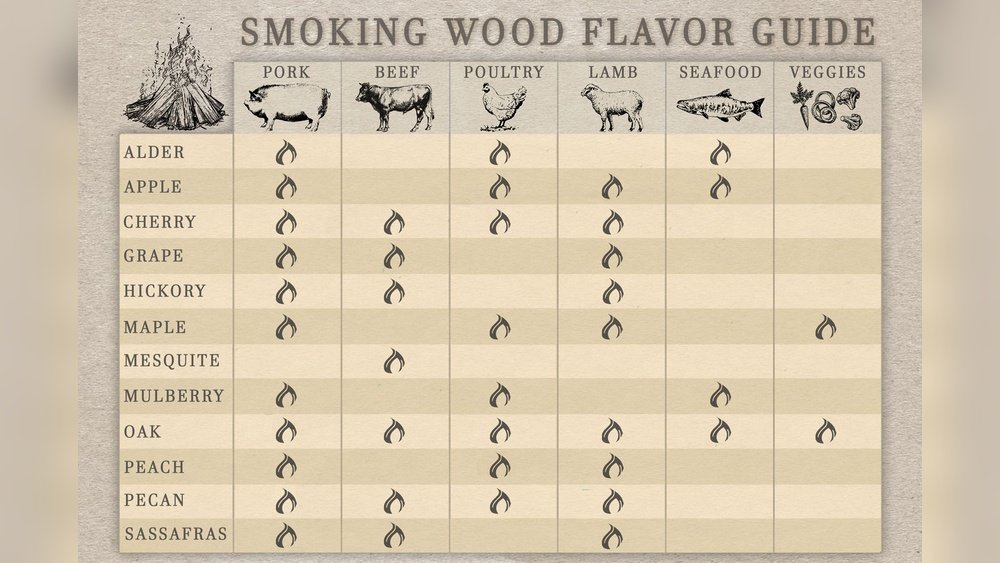
Wood isn’t just for flavor—it affects heat, too. Hardwoods like oak and hickory burn hotter and longer than fruit woods like apple or cherry. If you add big chunks of wood, they can spike temperature.
Small pieces or chips are better for subtle smoke and gentle heat. Don’t soak wood chips unless your smoker manual recommends it; wet wood can lower temperature and create steam, changing the smoke profile.
The Impact Of Smoker Design On Temperature Control
Design matters. Smokers with thick metal walls hold heat better. Vertical smokers lose less heat than horizontal models. Look for smokers with tight seals and adjustable vents.
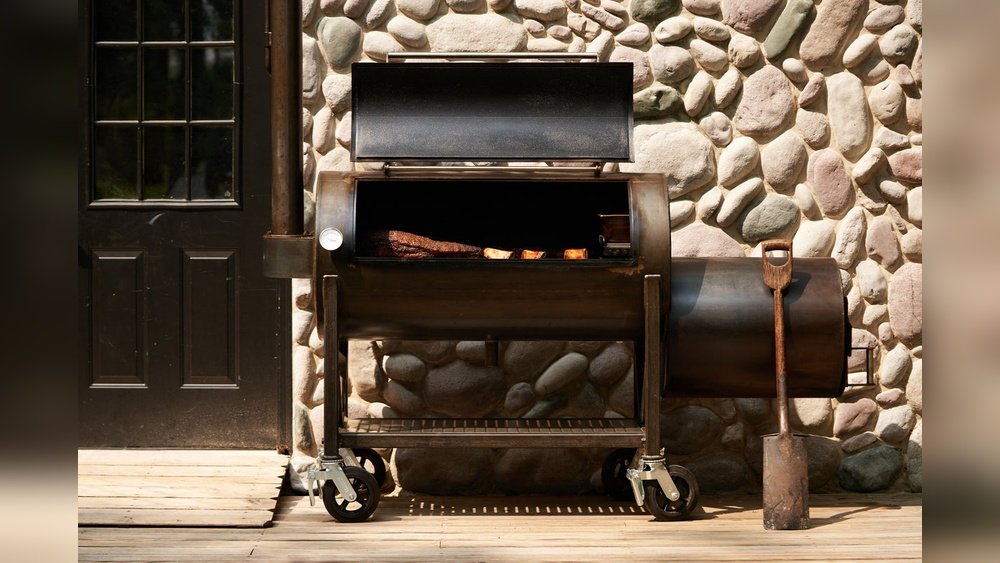
Ceramic smokers (like Big Green Egg) are famous for stable temperature thanks to their heavy insulation. Cheap smokers often have thin metal and loose doors—these need more attention.
Smoker Temperature Control In Competitions
In barbecue contests, temperature control is everything. Judges look for perfect texture and flavor, which only come from steady heat. Many competitors use automatic controllers, log every detail, and practice in different weather.
A tip from competition pros: Always calibrate your thermometers before the event. Even small errors can cost points.
Maintenance For Better Temperature Control
Regular maintenance keeps your smoker working well:
- Clean ash and grease after every cook.
- Check and replace gaskets as needed.
- Inspect thermometers and calibrate them.
- Oil moving parts, like vents and hinges.
A well-maintained smoker is easier to control and lasts longer.
The Future Of Smoker Temperature Control
Technology is changing barbecue. New smokers have Wi-Fi controls, phone apps, and precise thermostats. Some models even let you watch temperature from anywhere and adjust settings remotely.
While gadgets help, they don’t replace experience. The best pitmasters combine technology with old-school skill.
For more on the science and history of barbecue, check out Wikipedia’s Barbecue page.
Frequently Asked Questions
How Do I Keep My Smoker At 225°f?
To maintain 225°F, use a digital thermometer at grate level, adjust intake vents slowly, and add fuel in small amounts. Keep the lid closed as much as possible. If your smoker runs hot or cold, make adjustments in 10-minute intervals.
Why Does My Smoker Temperature Fluctuate So Much?
Temperature swings are often caused by wind, poor insulation, or adding too much fuel. Clean the smoker, check for leaks, and adjust air flow gradually. Don’t open the lid often—each time you do, heat escapes.
Is It Safe To Use A Smoker In Cold Weather?
Yes, but you’ll need more fuel and longer preheating. Protect your smoker from wind and use insulation if possible. Watch temperatures closely—cold can make smokers drop below safe cooking levels.
What’s The Best Thermometer For Smokers?
Look for a digital probe thermometer with dual probes (one for the smoker, one for the meat). Wireless models are convenient. Built-in lid thermometers are often inaccurate.
Can I Use Wood Chips In A Pellet Smoker?
Most pellet smokers are designed for pellets, but some models let you add wood chips for extra flavor. Don’t overdo it—too many chips can spike temperature and create thick smoke.
Smoker temperature control is a skill every barbecue fan should master. With the right tools, knowledge, and practice, you can create delicious, safe, and perfectly cooked food every time. Remember, patience and attention to detail are just as important as the smoker you use.
Keep learning, keep experimenting, and enjoy the journey to great barbecue.