Traeger Vs Weber: Which Grill Reigns Supreme in 2026?
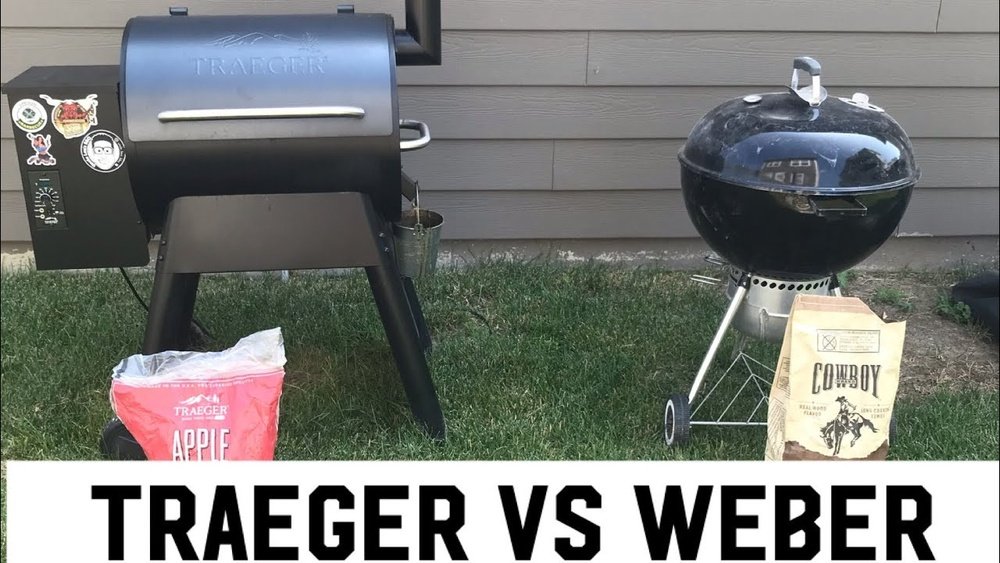
Traeger Vs Weber: A Complete Comparison For Grill Buyers
Choosing the right grill can be overwhelming. Two popular brands, Traeger and Weber, lead the market in backyard cooking. But which one fits your needs? This guide gives clear, practical advice to help you decide. We will compare features, performance, value, and more—so you can grill with confidence.
Understanding Traeger And Weber
Traeger started in the 1980s and made the first commercial pellet grill. Today, Traeger is known for wood-fired cooking, offering smoky flavor and easy temperature control. Traeger grills use compressed wood pellets for fuel, making them unique.
Weber has been around since 1952. Its founder invented the kettle grill, changing outdoor cooking forever. Weber grills use charcoal, gas, or electric power, giving buyers more options. Weber is famous for reliability and simple design.
Both brands have loyal fans. But their grills work differently, and that affects taste, cooking style, and maintenance.
Grill Types And Fuel Systems
Knowing the types of grills each brand offers is essential. Your choice will affect flavor, ease of use, and even cost.
Traeger Grill Types
Traeger focuses on pellet grills. These use wood pellets to create heat and smoke. Traeger also offers a few portable models for camping, but their main products are home pellet grills.
Weber Grill Types
Weber offers three main types:
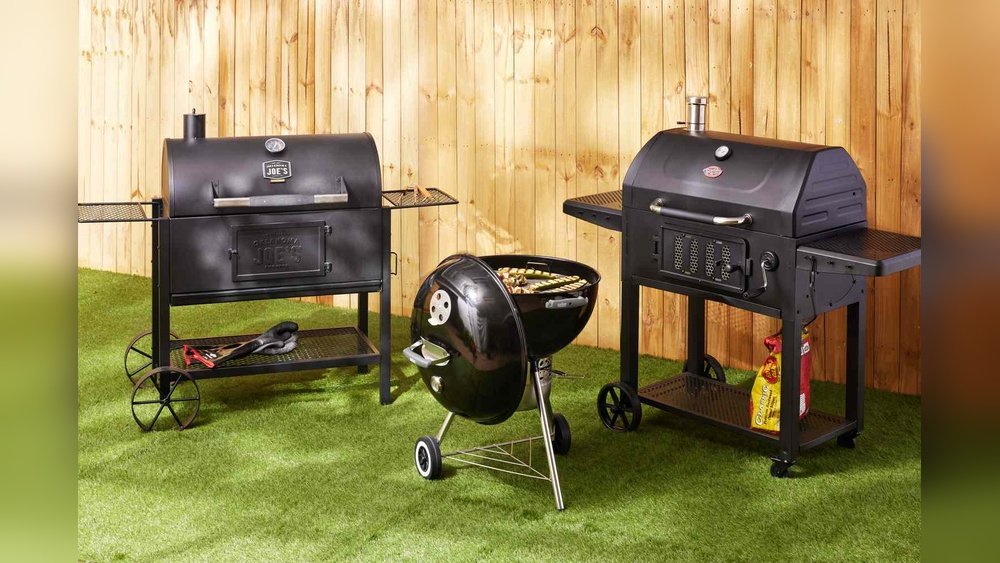
- Charcoal Grills: The classic kettle, Smokey Mountain, and Performer lines use charcoal for flavor.
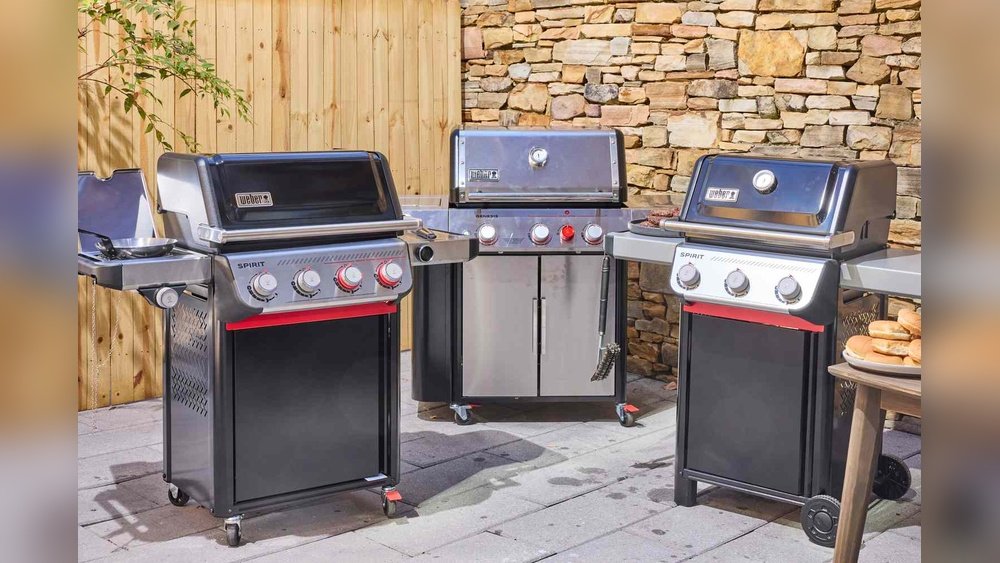
- Gas Grills: From the affordable Spirit series to the premium Genesis and Summit, Weber gas grills use propane or natural gas.
- Electric Grills: Weber’s Q and Lumin series are electric, suitable for apartments and balconies.
Fuel Differences
- Traeger Pellet Grills: Use wood pellets. You need to buy pellets regularly, which adds to cost.
- Weber Charcoal Grills: Use charcoal briquettes or lump charcoal. Many users love the smoky flavor.
- Weber Gas Grills: Use propane tanks or natural gas. Gas is fast and convenient.
- Weber Electric Grills: Plug in and cook. No flame, but easy for indoor/outdoor use.
Each fuel has pros and cons. For example, pellets offer wood-smoked flavor and precise control, while gas is easier for quick meals.
Cooking Performance And Flavor
The most important part of any grill is how it cooks. Let’s break down performance by brand and grill type.
Traeger Cooking
Traeger pellet grills excel in low-and-slow cooking. You can smoke brisket, ribs, and pork shoulder for hours. The digital controllers keep temperatures steady, usually between 180°F and 500°F. Traeger grills are also great for baking, roasting, and even pizza.
The wood pellets give a deep smoky flavor. Some users say it’s milder than charcoal but more complex than gas. Traeger makes it easy to cook for a crowd—just set the temperature, fill the pellet hopper, and let the grill do the work.
Weber Cooking
Weber grills vary by fuel type:
- Charcoal: Gives strong smoky flavor. You can sear steaks, grill burgers, or smoke meats with indirect heat. Charcoal is less precise but loved by purists.
- Gas: Cooks fast, with good heat control. You can sear, grill, or roast, but flavor is less smoky. Gas is perfect for busy nights.
- Electric: Offers convenience. Flavor is milder and lacks smoke, but it’s safe for indoor use.
Weber’s cooking grates are made from steel or porcelain-coated cast iron, which hold heat well. Charcoal models can reach over 600°F for searing. Gas models often go up to 500°F.
Real-world Flavor Differences
Traeger’s pellet smoke is milder than Weber’s charcoal smoke. If you want bold, classic barbecue flavor, Weber charcoal is best. If you want subtle smoke and easy setup, Traeger wins.
Gas and electric grills from Weber are great for quick meals, but they don’t offer real smoke flavor.
Ease Of Use And Maintenance
Grilling should be fun, not stressful. Here’s how Traeger and Weber compare in setup, cleaning, and day-to-day use.
Traeger
Traeger grills are known for “set it and forget it” cooking. Fill the hopper with pellets, set the temperature, and let the digital controller manage the heat. No need to watch the fire.
Cleaning is simple. Most models have drip pans and ash catchers. After cooking, you remove the pan, dump the grease and ash, and wipe down grates. Pellet grills need regular cleaning of the firepot and hopper.
Traeger grills require electricity to run the controller and auger. You need an outlet nearby.
Weber
- Charcoal Models: You must light the coals, wait for them to heat, and manage airflow. It’s hands-on. Cleaning involves dumping ashes and scrubbing grates. It can be messy, but some Weber models have ash catchers to help.
- Gas Models: Push-button ignition and easy temperature control. Just turn the knob. Cleaning is simple—brush the grates, wipe the burners, and empty the drip tray.
- Electric Models: Plug in and cook. Cleanup is easy. Just wipe surfaces and empty drip trays.
Weber grills don’t need electricity (except electric models). Charcoal and gas models are portable.
Maintenance Tips
- Traeger: Clean the firepot every 3-5 cooks. Empty the pellet hopper if storing for long periods.
- Weber: Brush grates after each cook. Check gas lines for leaks.
A common mistake: forgetting to clean the grill regularly. This can lead to flare-ups or bad-tasting food.
Technology And Smart Features
Modern grills offer smart features for easier cooking. Traeger and Weber both invest in tech, but their approach differs.
Traeger Technology
Traeger leads in grill technology:
- Digital controllers regulate temperature.
- WiFIRE (in premium models) lets you control the grill from your phone. You can set temps, monitor meat, and get alerts.
- Some models have meat probes built-in, helping you track doneness.
Traeger’s app includes recipes and cooking guides.
Weber Technology
Weber focuses on:
- Digital temperature displays (in premium gas models).
- Smart grilling hubs (like Weber Connect) that offer step-by-step guidance, meat probes, and timers.
- Some models have electronic ignition and LED lighting.
Weber’s app helps with recipes and grill setup, but most models are manual.
Feature Comparison Table
Here’s a look at key tech features side-by-side:
| Feature | Traeger | Weber |
|---|---|---|
| WiFi Control | Yes (WiFIRE models) | Yes (Connect Hub) |
| Built-in Meat Probes | Yes | Yes (premium models) |
| Digital Controller | Yes | Yes (premium gas) |
| Recipe App | Yes | Yes |
| Automatic Temp Control | Yes | Yes (gas/electric) |
| Lighting System | No | Yes (premium gas) |
Traeger is stronger in remote control and automation. Weber excels in hands-on grilling with tech support.
Build Quality And Durability
A grill is an investment. You want it to last for years. Let’s compare construction and reliability.
Traeger Build
Traeger grills use powder-coated steel for the body. The cooking grates are usually porcelain-coated steel or cast iron. Pellet hoppers and augers are made from durable materials.
Traeger grills are built for outdoor use but should be covered to protect electronics from rain.
Warranty: Traeger offers a 3-year warranty on most models.
Weber Build
Weber uses heavy-gauge steel, porcelain enamel, and stainless steel for premium models. Weber charcoal grills can last over a decade with proper care.
Gas models have robust burners and ignition systems. Grates are usually porcelain-coated or stainless steel.
Warranty: Weber offers up to 10 years on some parts, especially for premium grills.
Durability Comparison Table
Here’s a quick look at build quality and warranty:
| Aspect | Traeger | Weber |
|---|---|---|
| Body Material | Powder-coated steel | Porcelain enamel, stainless steel |
| Grate Material | Porcelain-coated steel/cast iron | Porcelain-coated, stainless steel |
| Warranty | 3 years | Up to 10 years |
| Expected Lifespan | 5-8 years | 10+ years |
Weber grills are famous for lasting a long time, especially their charcoal models. Traeger grills are reliable, but electronics can need repairs after several years.
Price And Value For Money
Budget matters. Both brands offer different price ranges. Let’s break it down.
Traeger Pricing
Traeger pellet grills start around $400 for small models. Mid-range models are $700-$1,200, with premium units costing $2,000+.
Pellets cost about $1 per pound. If you grill often, fuel cost adds up. Traeger grills include smart features even in lower-priced models.
Weber Pricing
Weber charcoal grills start at $120 for basic models. Gas grills begin at $250. Premium gas models can cost $1,000-$3,000.
Charcoal is cheap—about $0. 60 per pound. Gas is also affordable if you buy in bulk. Weber electric grills are $250-$700.
Value Comparison Table
Here’s a simple price/value comparison:
| Model Type | Traeger (Avg. Price) | Weber (Avg. Price) |
|---|---|---|
| Entry-Level | $400 | $120 (charcoal), $250 (gas) |
| Mid-Range | $700-$1,200 | $500-$1,200 |
| Premium | $2,000+ | $1,000-$3,000 |
| Fuel Cost (Yearly) | $150-$300 (pellets) | $80-$200 (charcoal/gas) |
Weber offers more affordable entry models. Traeger’s technology adds value but raises price.
Popular Models: Traeger And Weber
Let’s look at some best-selling grills from both brands.
Traeger Models
- Traeger Pro 575: Mid-size pellet grill with WiFIRE, 575 sq. In. Cooking space. Cost: ~$900.
- Traeger Ironwood 885: Large, smart grill. 885 sq. In. Cooking space. Cost: ~$1,500.
- Traeger Ranger: Portable pellet grill. Great for camping. Cost: ~$400.
- Traeger Timberline XL: Premium model with advanced features. Cost: ~$2,000.
Weber Models
- Weber Original Kettle: Classic charcoal grill, 363 sq. In. Cooking space. Cost: ~$150.
- Weber Spirit II E-310: Entry gas grill, 529 sq. In. Cooking space. Cost: ~$500.
- Weber Genesis II E-335: Premium gas grill, 669 sq. In. Cooking space. Cost: ~$1,200.
- Weber Smokey Mountain: Vertical charcoal smoker. Cost: ~$400.
- Weber Q1200: Portable gas grill, good for travel. Cost: ~$250.
These models cover beginner to advanced grilling. Traeger focuses on pellet technology, Weber on versatility.
Pros And Cons: Traeger Vs Weber
Let’s summarize the strengths and weaknesses of each brand.
Traeger Pros
- Easy temperature control
- Smoky flavor from wood pellets
- Smart features (WiFIRE, meat probes)
- Good for smoking, roasting, baking
Traeger Cons
- Needs electricity
- Higher price
- Pellet cost adds up
- Electronics can fail over time
Weber Pros
- Wide range of grill types
- Affordable entry models
- Strong smoky flavor (charcoal)
- Long-lasting construction
Weber Cons
- Manual control (charcoal)
- Gas/electric models lack smoke flavor
- Fewer smart features on entry models
Which Brand Is Right For You?
Your choice depends on your cooking style, budget, and taste preference.
- Traeger is best for people who love smoky flavor, want easy setup, and enjoy technology. It’s perfect for slow-cooking meats, baking, and roasting. If you want to “set it and forget it,” Traeger is ideal.
- Weber is perfect for grillers who enjoy hands-on cooking and want flexibility. Weber’s charcoal models are great for barbecue lovers. Gas grills are best for quick meals. Weber offers more price options and lasts longer.
Non-obvious insight: Pellet grills like Traeger let you bake and roast, not just grill or smoke. You can make pizzas, bread, and desserts—something many beginners overlook.
Another key tip: If you want to grill in cold weather, Traeger pellet grills can struggle to maintain heat. Weber charcoal grills perform well even in winter.
Environmental Impact And Sustainability
Modern grill buyers care about the environment. Let’s compare the brands.
Traeger Sustainability
Traeger uses wood pellets made from sawdust and scrap wood. Pellets are renewable, but the manufacturing process uses energy. Pellet bags are not always recyclable.
Traeger grills produce less ash and emissions than charcoal. However, you must use electricity, which may not be green depending on your local power source.
Weber Sustainability
Charcoal grills produce more carbon emissions and ash. Lump charcoal is greener than briquettes, but still not as clean as pellets.
Gas grills are cleaner, with lower emissions. Electric grills are green if your electricity is from renewable sources.
Weber grills last longer, reducing waste. Some models use recycled materials.
Practical tip: If you want the greenest grill, choose a Weber electric model and use renewable energy.
Customer Support And Community
Buying a grill is not just about hardware. Support and community matter.
Traeger Support
Traeger offers online support, phone help, and a recipe app. Their community is active on forums and social media. They run classes and share tips.
Weber Support
Weber has strong customer service, with phone, chat, and online guides. Their user community is huge. Weber offers grilling classes, recipes, and events.
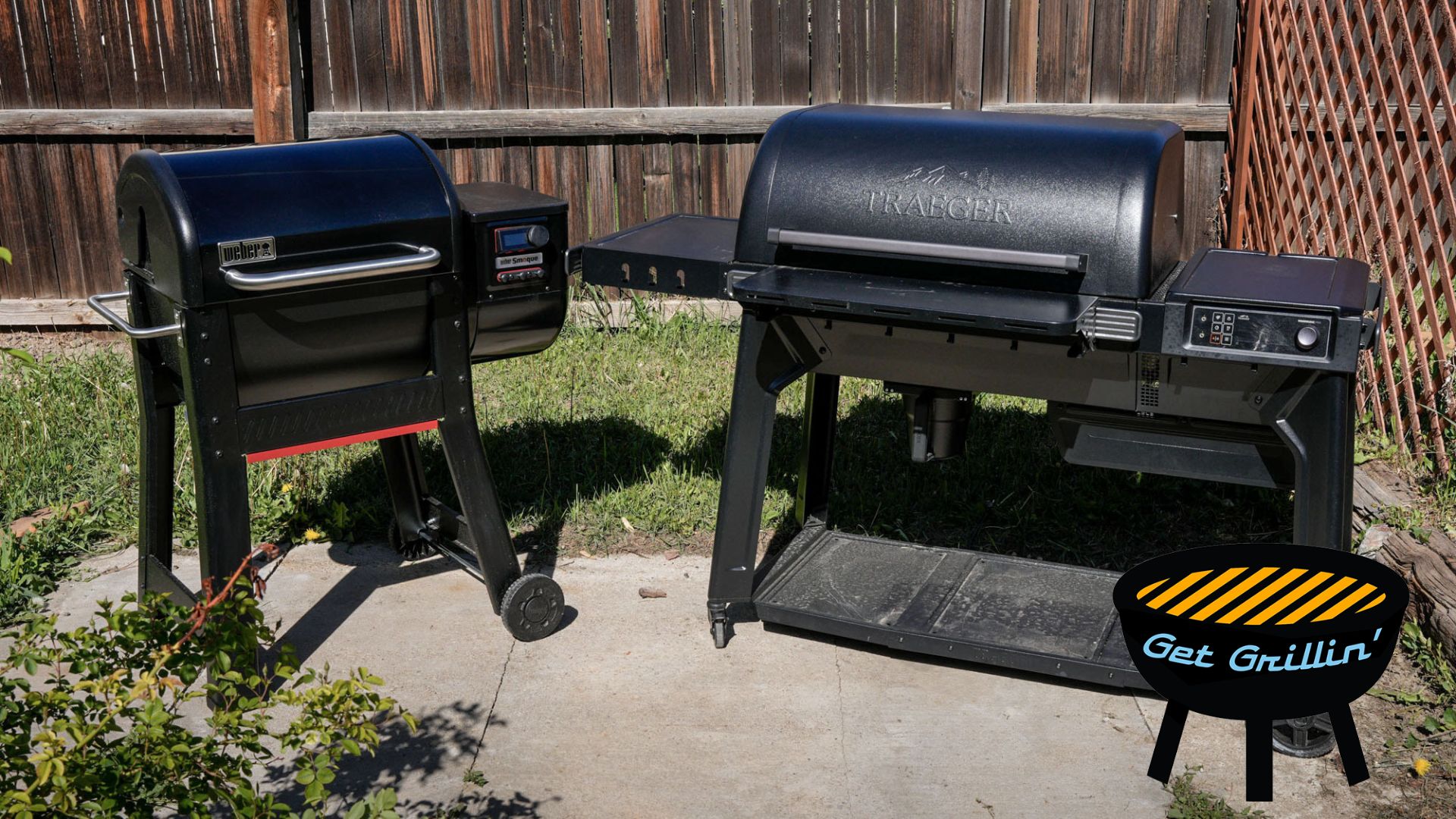
Both brands have loyal fans. Weber’s community is larger due to its longer history.
Credit: www.tomsguide.com
Accessories And Add-ons
Accessories can improve your grilling experience.
Traeger Accessories
- Pellet storage bins
- Meat probes
- Grill covers
- Drip trays
- Pizza stones
Weber Accessories
- Chimney starters (for charcoal)
- Rotisserie kits
- Grill covers
- Griddle inserts
- Thermometers
Traeger accessories focus on smoking and smart tech. Weber’s are more about grilling options and convenience.
Common Beginner Mistakes
Grill buyers often make errors. Here are some to avoid:
- Ignoring fuel costs: Pellet, charcoal, and gas prices add up over time.
- Not measuring space: Make sure your grill fits your patio or balcony.
- Buying too large: Bigger grills use more fuel. Start with what you need.
- Skipping cleaning: A dirty grill leads to bad flavor and safety risks.
- Misunderstanding warranty: Check what parts are covered and for how long.

Credit: www.smokedbbqsource.com
Safety And Cooking Tips
Good grilling is safe grilling. Follow these tips:
- Place your grill on a flat, non-flammable surface.
- Keep children and pets away from hot grills.
- Use grill gloves and long-handled tools.
- Never leave a grill unattended.
- Clean grease traps to avoid flare-ups.
- Check gas lines for leaks with soapy water.
Non-obvious tip: Pellet grills sometimes jam if pellets get wet or dusty. Store pellets in a dry bin.
Real User Experiences
Many users share their opinions online. Let’s see what real buyers say.
Traeger Reviews
- Most users love the smoky flavor and easy setup.
- Beginners find Traeger’s app helpful.
- Some mention high pellet use and occasional auger jams.
- Electronics can fail after years—warranty helps.
Weber Reviews
- Weber charcoal grill owners praise the classic flavor.
- Gas grill users like speed and convenience.
- Weber grills last many years with care.
- Some buyers wish for more smart features in entry models.
Example: One Weber kettle owner said, “I’ve had my grill for 15 years. It’s simple, reliable, and cooks amazing burgers.”
Credit: www.youtube.com
Expert Opinions
Grill experts often compare Traeger and Weber. Here’s what they say:
- Traeger is ideal for smoking and baking. Experts love its temperature control.
- Weber is praised for quality, durability, and versatility.
- Many experts own both—a Traeger for smoking, a Weber for grilling.
Experts also note that Weber’s gas models are unmatched for quick, weekday cooking.
Warranty And After-sales Support
Warranty can protect your investment.
- Traeger: 3 years on most models. Covers defects and electronics.
- Weber: Up to 10 years on some parts. Covers rust, paint, and burners.
Check details before buying. Some warranties need registration.
The Bottom Line
Traeger and Weber both deliver excellent grilling. Traeger shines in tech, smoky flavor, and ease of use. Weber offers wide choices, classic taste, and durability. Think about your cooking style, space, and budget. If you value smart features and wood smoke, Traeger is your match.
If you want flexibility and lasting value, Weber is the winner.
For more detailed technical specs, check the official Traeger website.
Frequently Asked Questions
What Is The Main Difference Between Traeger And Weber Grills?
The main difference is fuel and cooking style. Traeger grills use wood pellets for smoky flavor and automated temperature control. Weber grills offer charcoal, gas, and electric models, giving more options for hands-on or quick cooking.
Which Grill Is Easier For Beginners?
Traeger is easier for beginners because of its “set it and forget it” system and smart features. Just set the temperature and let it cook. Weber charcoal grills require more hands-on attention, while Weber gas grills are also beginner-friendly.
Does Traeger Or Weber Offer Better Warranty Coverage?
Weber offers longer warranty periods, up to 10 years for some parts. Traeger’s warranty is usually 3 years. Weber’s durability and after-sales support are considered among the best.
Can You Smoke Food On A Weber Grill?
Yes, you can smoke food on a Weber charcoal grill using indirect heat and wood chips. Weber’s Smokey Mountain is made for smoking. Gas models can smoke with a smoker box, but Traeger pellet grills are better for consistent smoking.
Are Traeger Grills Good For Grilling Steaks And Burgers?
Traeger grills can grill steaks and burgers, but they excel at slow cooking and smoking. For high-heat searing, Weber charcoal or gas grills are better. Traeger’s flavor is milder, while Weber charcoal gives a stronger smoky taste.
Choosing between Traeger and Weber is about your taste, cooking style, and lifestyle. Both brands are trusted, but your needs decide the winner. Happy grilling!