Creating the Perfect Outdoor Kitchen: Design Ideas

So, you’re dreaming of an outdoor kitchen, huh? Good call. It’s more than just a place to grill; it’s an extension of your living space, a hub for entertaining, and frankly, a pretty awesome upgrade to any home. The “perfect” outdoor kitchen, though, isn’t a one-size-fits-all deal. It’s about figuring out what works best for you, your space, and your lifestyle. Think about how you’ll actually use it – will it be for big dinner parties, casual family meals, or just a quiet place to unwind with a drink? Once you nail that down, the design ideas start flowing.
Before you jump into picking out fancy grills, let’s slow things down and think about the fundamentals. A little planning now saves a lot of headaches (and money) later. This isn’t just about aesthetics; it’s about making sure your outdoor kitchen is functional, safe, and truly an asset.
Understanding Your Space
First up, take a good, hard look at your yard. What kind of space are you working with? Is it a sprawling backyard or a cozy patio? This will dictate the size and scope of your outdoor kitchen. You’ll need to consider how it integrates with your existing home and landscaping.
- Size and Shape: Measure your available area. Sketch it out. Think about foot traffic – where will people walk? You don’t want your grilling master to be constantly bumped into.
- Sun and Shade: Where does the sun hit throughout the day? You probably don’t want to be cooking directly in the scorching afternoon sun. Consider natural shade from trees or existing structures, and think about adding pergolas or umbrellas if needed.
- Proximity to Your House: How far is it from your indoor kitchen? The closer it is, the easier it might be for things like plumbing connections and electrical runs. It also means less schlepping of ingredients and dishes.
Budgeting for Your Dream Kitchen
Let’s talk money, because this is often where dreams meet reality. An outdoor kitchen can range from a simple built-in grill station to a fully loaded culinary oasis. Knowing your budget upfront will help you make realistic choices.
- Component Costs: Factor in the cost of the grill, refrigeration, sink, countertop materials, cabinetry, and any fancy extras like pizza ovens or smokers.
- Installation Expenses: Don’t forget the labor involved. Unless you’re a seasoned DIYer, you’ll likely need professionals for plumbing, electrical, and construction.
- Permits: Depending on your location and the complexity of your build, you might need permits. Always check with your local authorities. It’s a pain to remodel something that wasn’t approved.
Essential Components: What You Really Need
Okay, now that we’ve got the groundwork laid, let’s get into the guts of your outdoor kitchen. What are the key pieces that make it sing? This is where function dictates form, to a large extent.
The Grilling Station: Heart of the Outdoor Kitchen
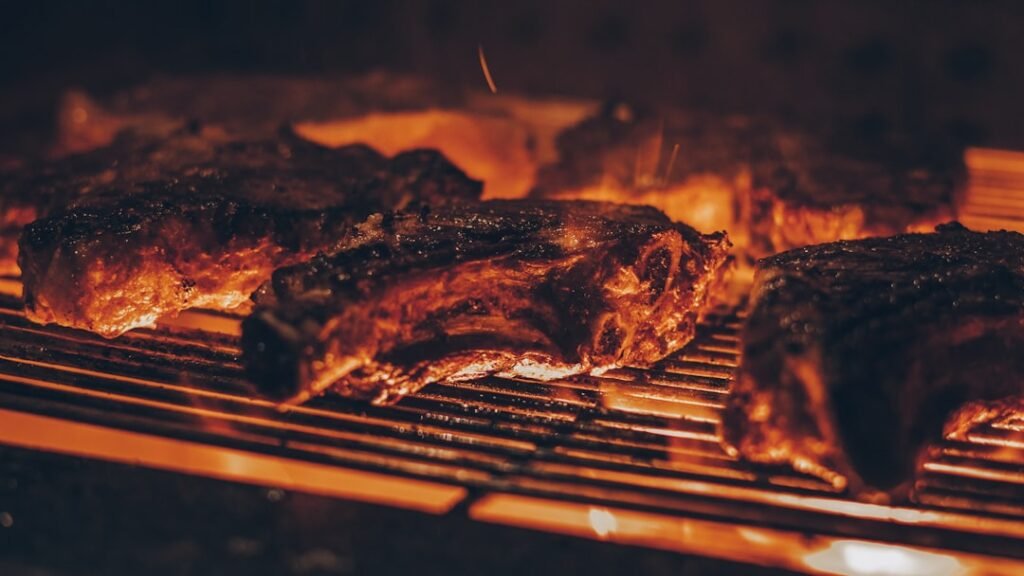
This is arguably the most important element. The grill sets the tone for your outdoor cooking experience. There’s a huge variety out there, so consider how you like to cook.
- Gas Grills: Convenient, quick to heat, and easy to control. They generally come in natural gas or propane options. Natural gas is connected directly to your home’s gas line, offering endless fuel, while propane uses refillable tanks.
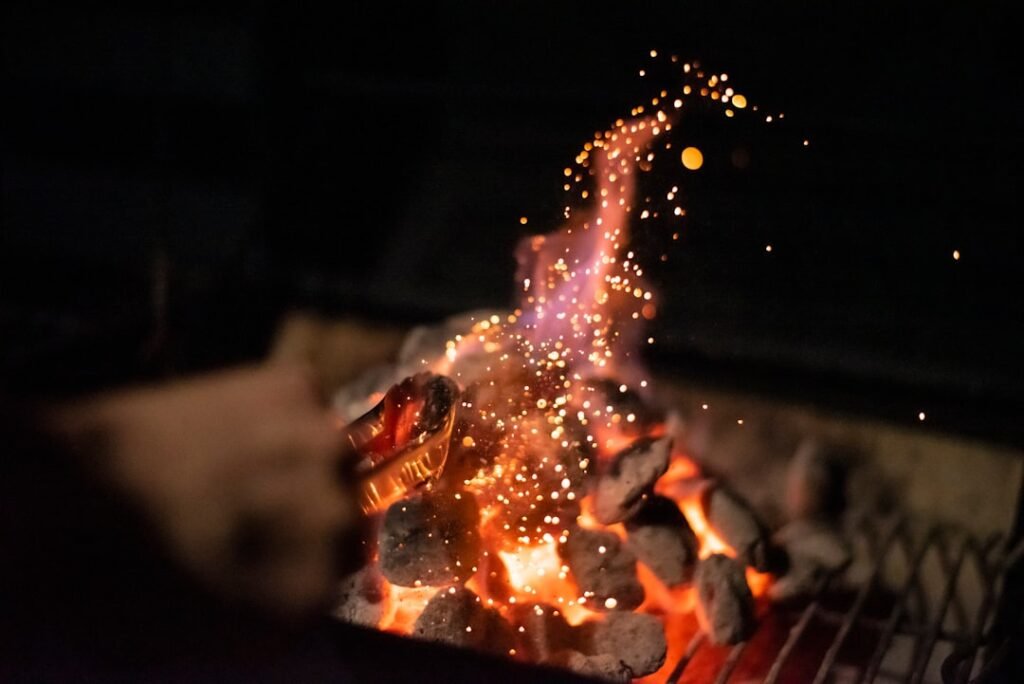
- Charcoal Grills: For purists who love the smoky flavor and traditional grilling experience. They require more time to heat up and clean, but the results can be fantastic.
- Smokers: If low-and-slow cooking is your jam, a dedicated smoker is a must. These can be separate units or integrated into larger grilling setups.
- Pizza Ovens: A fun addition for entertaining. Wood-fired pizza ovens give that authentic, crispy crust. Portable options are available if you’re not ready for a full built-in.
- Side Burners: Often overlooked, but incredibly useful for preparing sauces, boiling corn, or keeping side dishes warm without having to run back inside.
Practical and Durable Countertops
Your countertops will take a beating from weather, hot pans, and spilled drinks. Durability is key, but aesthetics matter too, of course.
- Granite and Quartz: Popular choices for their natural beauty and durability. They’re heat-resistant and relatively low maintenance, though granite needs periodic sealing.
- Concrete: Offers a modern, industrial look. Can be customized with various colors and finishes. It’s very durable but can also be porous if not sealed properly.
- Stainless Steel: The professional chef’s choice. Extremely durable, hygienic, and easy to clean. It can get hot in direct sunlight, though.
- Tile: Offers a wide range of design possibilities. Ceramic or porcelain tiles are generally durable and resistant to weather. However, grout lines can be challenging to keep clean.
Storage and Refrigeration: Keeping Things Organized and Cool
No one wants to run inside every five minutes for a condiment or a cold drink. Good storage and refrigeration are game-changers.
- Outdoor Refrigerators: Designed to withstand outdoor temperatures and humidity. Essential for keeping ingredients fresh, drinks cold, and preventing constant trips indoors. Look for models rated for outdoor use.
- Weatherproof Cabinetry: Important for protecting your cooking utensils, dishware, and other supplies from the elements. Stainless steel, marine-grade polymer, or sealed hardwoods are good options.
- Drawers and Shelving: Think about what you’ll store and how much space you’ll need. Easy-access drawers are great for grilling tools, while shelves can hold dishes or dry goods.
The All-Important Sink and Plumbing
A sink might seem like a luxury, but trust me, it’s a necessity. Being able to wash hands, rinse vegetables, or fill pots without going inside is incredibly convenient.
- Cold Water Only: A simpler option, often more cost-effective to install. Great for rinsing and handwashing.
- Hot and Cold Water: Requires more extensive plumbing but significantly increases the functionality, especially for washing greasy dishes.
- Drainage: Ensure proper drainage is planned for to avoid stagnant water or water runoff issues.
Design Styles and Layout Options: Making it Look Great
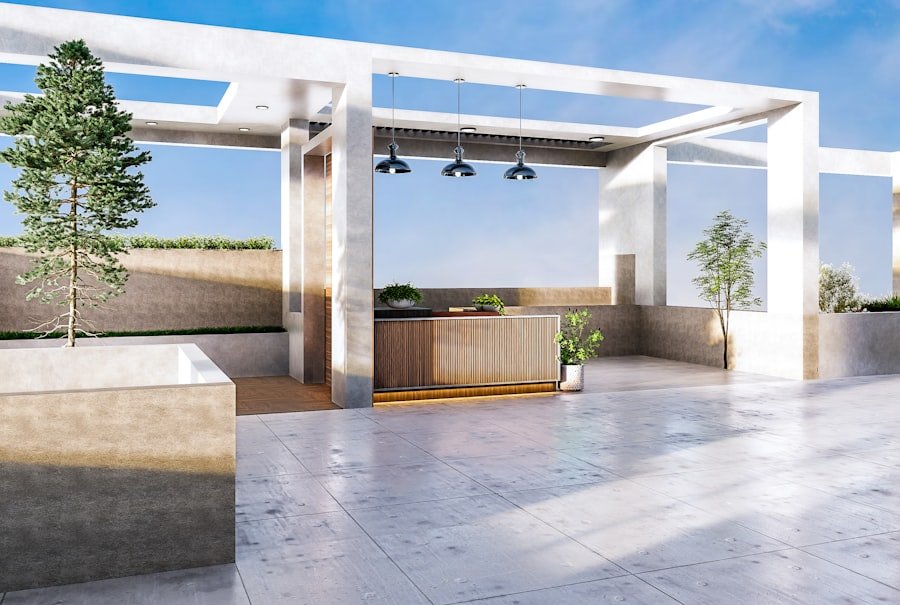
Once you have your core components, it’s time to think about how it all comes together visually and functionally. This is where your personal style really shines through.
Popular Design Styles
Your outdoor kitchen should ideally complement your home’s existing architecture and your personal aesthetic.
- Modern/Contemporary: Clean lines, minimalist design, often utilizing stainless steel, concrete, and sleek cabinetry. Focus on functionality and uncluttered spaces.
- Rustic/Farmhouse: Embraces natural materials like stone, reclaimed wood, and earth tones. Think sturdy wooden pergolas and natural stone facades.
- Mediterranean/Tuscan: Warm and inviting, often featuring stucco finishes, terracotta tiles, and wrought iron accents. Lush plantings enhance the feel.
- Transitional: A blend of traditional and contemporary elements. Offers a balanced look that’s neither too formal nor too stark, using a mix of materials and finishes.
Efficient Layouts for Any Space
The layout heavily depends on your space and how many “zones” you want to create within your outdoor kitchen.
- Linear/Galley Style: Best for narrower spaces, where all components are arranged in a straight line along a wall or fence. Efficient for smaller gatherings.
- L-Shaped: Provides more counter space and can naturally define a cooking zone while allowing for seating. Good for slightly larger patios.
- U-Shaped: Offers the most counter and storage space, creating a very enclosed and functional cooking area. Best for larger backyards and serious entertainers.
- Island Style: A freestanding unit that can be placed in the center of a patio or garden, allowing access from all sides. Very flexible and great for social cooking.
Enhancing the Experience: Beyond the Basics

Okay, you’ve got the essentials down. Now, let’s talk about the bells and whistles that take your outdoor kitchen from great to absolutely amazing. These are the elements that create ambiance and make it a true outdoor living room.
Lighting: Setting the Mood and Ensuring Safety
Good lighting is critical for both functionality and creating the right atmosphere, especially if you plan to use your kitchen after dusk.
- Task Lighting: Focused lighting over the grill and prep areas is a must. Under-cabinet LED strips or adjustable spotlights are great options.
- Ambient Lighting: For general illumination. String lights, lanterns, or path lights create a warm and inviting glow.
- Accent Lighting: To highlight architectural features or landscaping. Uplights on plants or integrated lighting in steps add visual interest and help with navigation.
- Dimmer Switches: A smart addition to control the intensity of your lighting, allowing you to adapt the mood from bright cooking light to soft dinner ambiance.
Seating and Dining Areas: Where Memories Are Made
An outdoor kitchen isn’t complete without a comfortable place to enjoy the fruits of your labor.
- Bar Seating: Integrate a raised bar counter into your island or L-shaped layout. This allows guests to socialize with the chef while food is being prepared.
- Dining Table: A dedicated dining area, whether casual or formal, is essential for enjoying meals al fresco. Consider extendable tables for larger gatherings.
- Lounge Area: For a truly relaxed experience, add comfortable outdoor sofas or chairs. This creates a separate zone for post-meal relaxation or pre-dinner drinks.
- Material Selection: Choose outdoor-rated furniture materials like teak, aluminum, wicker, or marine-grade polymers that can withstand the elements.
Shelter and Shade: Protection from the Elements
You don’t want your outdoor kitchen to be a fair-weather friend. Protection from sun and rain will extend its usability.
- Pergolas: Provide partial shade and can be aesthetically pleasing. They can also support climbing plants for a natural canopy.
- Awnings: Retractable awnings offer flexibility, allowing you to choose between sun and shade.
- Roofs: A permanent roof structure provides the most comprehensive protection from rain and intense sun, making your kitchen usable in nearly all weather conditions. Ensure proper ventilation if you’re grilling underneath.
- Umbrellas: A simple and flexible option for smaller spaces or adding shade where needed. Cantilever umbrellas are particularly versatile.
Entertainment and Connectivity: The Digital Outdoors
Today’s outdoor spaces are often just as connected as our indoor ones.
- Outdoor Audio: Weatherproof speakers can bring music to your gatherings. Hardwired systems offer better sound quality and reliability than portable Bluetooth options.
- Outdoor Televisions: For sports, movies, or just background entertainment. Outdoor TVs are specifically designed to withstand temperature fluctuations, glare, and moisture.
- Device Charging: Consider incorporating outdoor-rated outlets or USB charging ports for phones and tablets.
- Wi-Fi Boosters: Ensure strong Wi-Fi signal in your outdoor kitchen if you plan on streaming music, movies, or connecting smart devices.
Maintenance and Longevity: Keeping it Looking Good
| Design Ideas for Outdoor Kitchens |
|---|
| 1. Incorporating a built-in grill |
| 2. Adding a pizza oven |
| 3. Installing a sink and food prep area |
| 4. Including a bar or seating area |
| 5. Using durable and weather-resistant materials |
| 6. Adding lighting for evening use |
| 7. Incorporating storage for utensils and cooking supplies |
So, you’ve invested time and money into this fantastic outdoor space. The last thing you want is for it to fall apart after a season or two. A little proactive maintenance goes a long way.
Cleaning Routines
Regular cleaning is key, just like your indoor kitchen.
- Grill Maintenance: Clean grates after every use. Deep clean the entire grill periodically, removing grease and debris. Follow manufacturer guidelines for specific cleaning products.
- Countertops: Wipe down regularly with appropriate cleaners for your material. Seal granite and concrete as recommended.
- Sinks and Faucets: Clean regularly to prevent mildew and mineral buildup.
- Cabinetry: Wipe down exterior and interior surfaces. Check for pests or moisture buildup, especially in enclosed cabinets.
Protecting from the Elements
Even with durable materials, the elements take their toll.
- Covers: Invest in high-quality, weatherproof covers for your grill, furniture, and any non-built-in appliances. This is a simple yet effective way to extend their life.
- Winterization: In colder climates, properly winterizing your outdoor kitchen is crucial. This involves draining water lines, disconnecting hoses, and storing portable items indoors.
- Pest Control: Keep food debris at bay to discourage pests. Consider sealing any gaps or openings in cabinetry.
Seasonal Checks
Take a walk around your outdoor kitchen a couple of times a year to catch potential issues before they become big problems.
- Plumbing Inspection: Check for leaks, especially at connection points. Ensure all drains are clear.
- Electrical Inspection: Look for any frayed wires, loose connections, or corrosion on outlets. If you’re not comfortable, hire an electrician.
- Structural Integrity: Check decking, pergolas, or any other wooden structures for rot or instability. Ensure stone or tile work isn’t cracking or coming loose.
Crafting the perfect outdoor kitchen is a journey, not a destination. It’s about combining functionality with personal flair, anticipating your needs, and then really enjoying the space you’ve created. By thinking through these practical details and design considerations, you’re not just building a place to cook; you’re building a vibrant extension of your home where countless good times will be shared. Happy planning, and even happier grilling!