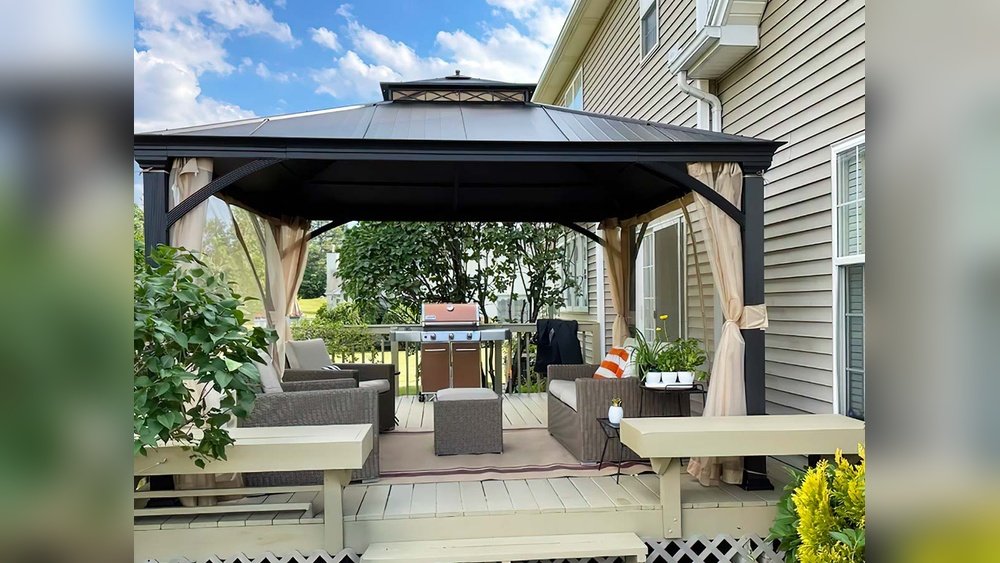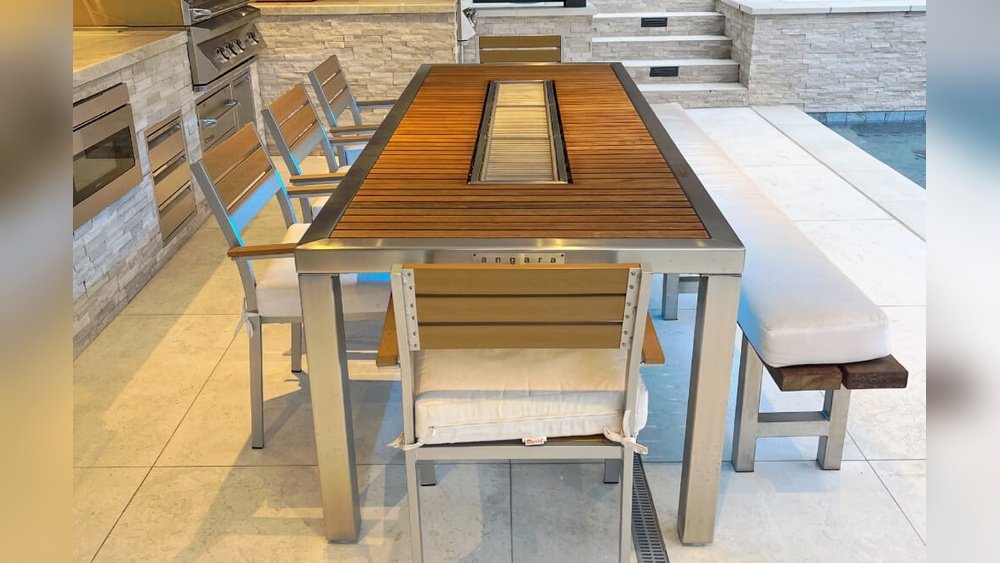
Outdoor Kitchens: Transform Your Backyard Into a Culinary Oasis
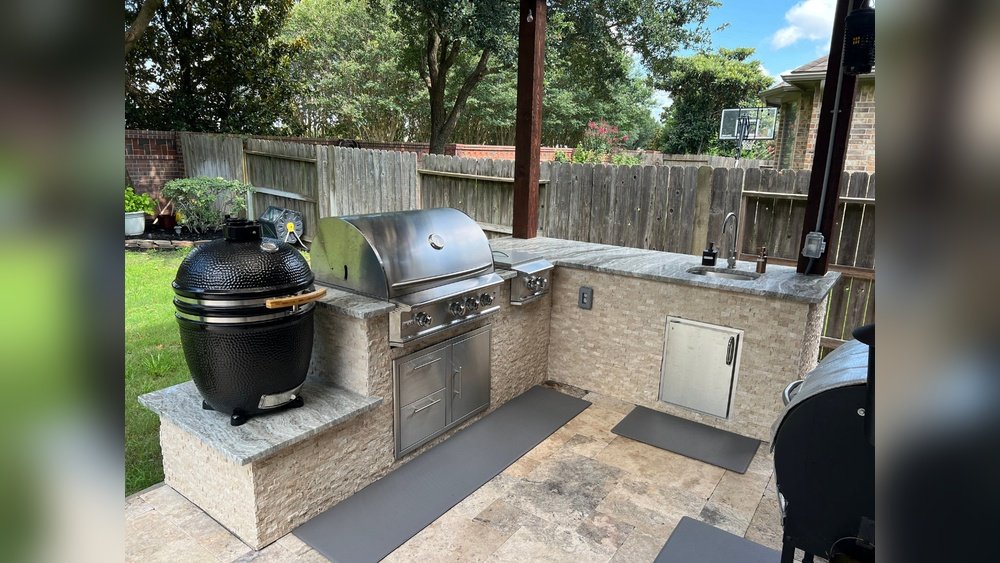
Outdoor Kitchens
Imagine stepping into your backyard and preparing a delicious meal while feeling the breeze and listening to birds sing. This is the magic of an outdoor kitchen. More than a trend, outdoor kitchens have become a favorite way for homeowners to enjoy nature, entertain friends, and add value to their homes. But creating a space that works well and lasts for years takes careful planning and smart choices. This guide will help you understand everything about outdoor kitchens, from design to maintenance, so you can build a space that fits your lifestyle.

The Rise Of Outdoor Kitchens
People have always loved to cook outside, from campfires to backyard barbecues. In the past 20 years, however, outdoor kitchens have become a major part of home design. According to a 2026 study by the National Kitchen & Bath Association, over 60% of new home projects include an outdoor cooking area. The reasons are simple: outdoor kitchens extend your living space, make entertaining easier, and can increase your home’s value by up to 15%.
One non-obvious reason for their popularity is the growth of outdoor appliances. Today’s grills, refrigerators, and even pizza ovens are designed to handle weather and look stylish. This means you can cook almost anything outside that you would make inside.
Key Benefits Of An Outdoor Kitchen
An outdoor kitchen is more than just a place to grill. Here are some clear benefits:
1. Increases Home Value
Homes with well-designed outdoor kitchens can sell faster and at higher prices. Real estate experts say that a high-quality outdoor kitchen can return 70-100% of its cost when selling your house.
2. Makes Entertaining Easy
You don’t have to run in and out of your house. Guests can gather around, and you stay part of the conversation while cooking.
3. Keeps Smells And Heat Outside
Frying fish or grilling onions won’t fill your house with strong smells. It also keeps extra heat outside during summer.
4. Expands Living Space
With comfortable seating and lighting, your backyard becomes a second living or dining room.
5. Encourages Healthier Eating
Cooking outdoors often means grilling, which uses less oil and brings out natural flavors.
A detail that many beginners miss: outdoor kitchens can also reduce wear and tear on your indoor kitchen, saving money in the long run.
Planning Your Outdoor Kitchen
Before you buy anything, you need a clear plan. Think about how you will use the space, your budget, and the weather in your area.
Setting Your Budget
Outdoor kitchens can cost as little as $2,000 for a simple setup or over $50,000 for a luxury design. Most homeowners spend between $7,000 and $20,000. Here’s a quick overview:
| Kitchen Type | Estimated Cost | Features |
|---|---|---|
| Basic | $2,000 – $5,000 | Grill, counter, open storage |
| Mid-range | $7,000 – $15,000 | Built-in grill, sink, fridge, cabinets |
| Luxury | $20,000 – $50,000+ | Full appliances, bar, pizza oven, fireplace |
Hidden costs beginners overlook include utility hookups (gas, water, electricity) and local building permits.
Choosing The Right Location
The best spot for your outdoor kitchen is close to your home for easy access, but with enough space for guests to move around. Consider:
- Wind direction: Position grills so smoke doesn’t blow toward seating or inside your house.
- Sun and shade: Use trees, pergolas, or umbrellas to protect from sun and rain.
- View and privacy: Choose a spot with a nice view, but also privacy from neighbors.
Tip: Avoid placing your outdoor kitchen too far from your indoor kitchen. Carrying food and supplies long distances can quickly become annoying.
Essential Components Of An Outdoor Kitchen
Every outdoor kitchen is unique, but some elements are considered essential for both function and comfort.
Grill: The Centerpiece
The grill is usually the heart of an outdoor kitchen. Popular options include:
- Gas grills: Fast, easy to control, and clean.
- Charcoal grills: Classic smoky flavor, but take more time to heat.
- Pellet grills: Use wood pellets for flavor and even heat.
Professional chefs often recommend a built-in grill for durability and style, but portable grills work for smaller budgets.
Counter Space
You need counter space for preparing food, serving, and placing dishes. Weather-resistant materials like granite, concrete, or sealed stone are best.
Storage
Include cabinets or drawers for utensils, plates, and supplies. Stainless steel is the most popular because it resists rust and insects.
Sink And Water Access
A sink makes cleaning and food prep easy. You can connect to your home’s water line or use a garden hose setup for a simple sink.
Refrigerator
A small, weather-rated refrigerator keeps drinks and ingredients cold. Don’t use a regular indoor fridge outside—it won’t last.
Lighting
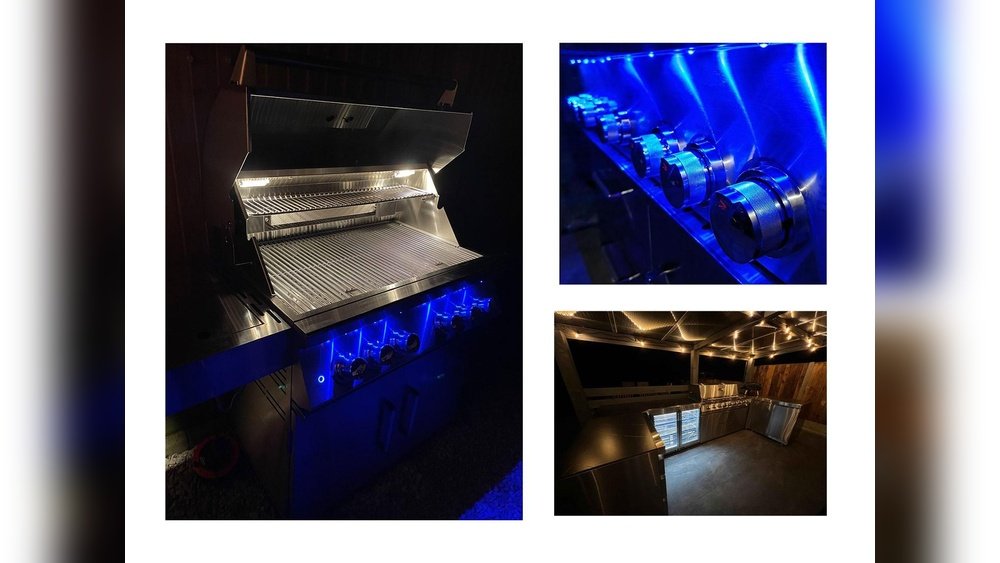
Good lighting is important for safety and mood. Use LED fixtures rated for outdoor use, and consider under-counter lights for style.
Shelter And Shade
Pergolas, awnings, or even a simple umbrella can protect you from sun and rain. Permanent shelters add to the cost but make the space usable in all weather.
Advanced Features And Extras
If you want more than the basics, these add-ons can make your outdoor kitchen even better:
1. Pizza Oven
Wood-fired or gas ovens let you make pizzas, bread, and even roast meat. They’re a fun centerpiece for parties.
2. Bar Or Beverage Center
A built-in bar with an ice maker or wine fridge makes entertaining easier. Some people add beer taps or coffee stations.
3. Smoker
Slow-cook ribs, brisket, or fish for authentic barbecue flavor.
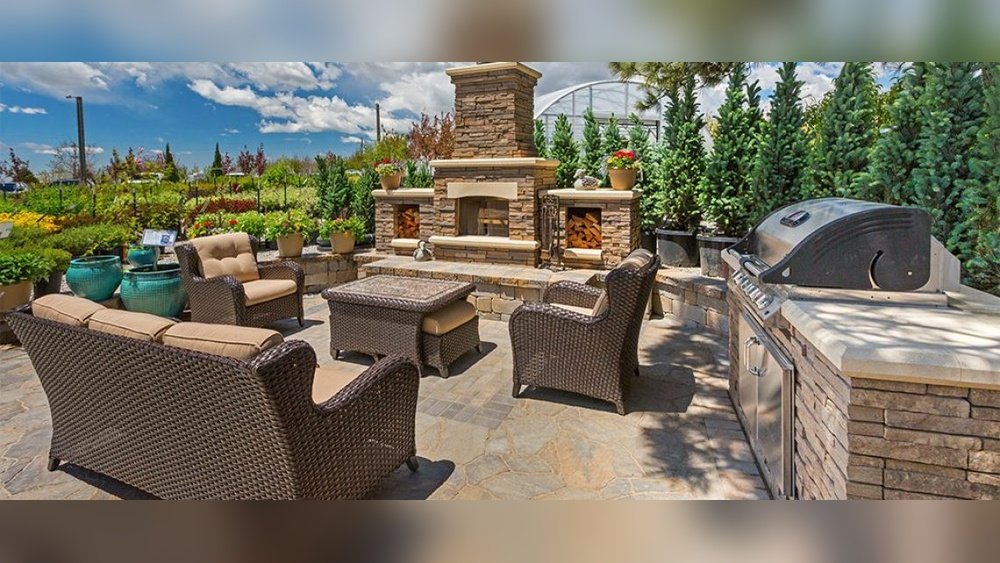
4. Fireplace Or Fire Pit
A fire feature adds warmth and extends use into cool evenings.
5. Outdoor Tv Or Sound System
Weatherproof screens and speakers turn your kitchen into an open-air living room.
6. Heaters Or Fans
Electric or gas heaters and ceiling fans keep the area comfortable in any season.
7. Dishwasher
An outdoor-rated dishwasher saves time on cleanup, though it needs good drainage and electrical setup.
Many beginners overlook the importance of proper ventilation for grills and ovens. Always include a vent hood or open space to avoid smoke buildup, especially under a roof.
Choosing Materials That Last
Outdoor kitchens face sun, rain, wind, and sometimes snow. Choosing the right materials is key for a kitchen that looks good and works well for years.
Countertops
- Granite: Tough, heat-resistant, and comes in many colors. Needs sealing every year.
- Concrete: Durable and modern. Can be colored or textured. Needs sealing to avoid stains.
- Tile: Affordable and colorful but can crack in freezing weather.
- Stainless Steel: Easy to clean, weatherproof, but shows fingerprints and scratches.
Cabinets
- Stainless Steel: Best for weather and insects. Costs more but lasts longest.
- Marine-grade Polymer: Plastic material that resists water and sun. Often used near pools or the beach.
- Teak or Cedar Wood: Beautiful but needs sealing and regular care.
Flooring
- Concrete: Slip-resistant if textured, easy to clean.
- Natural Stone: Looks great but can be costly.
- Porcelain Tile: Doesn’t absorb water, many styles available.
- Composite Decking: Good for raised decks, doesn’t rot or splinter.
A common mistake is using indoor materials outside. Even strong indoor cabinets or counters won’t survive rain and sun.
Layout And Design Ideas
The layout of your outdoor kitchen affects how easy and fun it is to use. Here are some popular designs:
Straight Line
All appliances and work areas are in a single row. Good for small spaces and easy to build.
L-shape
Counters form an “L,” giving more work space and separating cooking from serving areas.
U-shape
Surrounds the cook with counters and appliances. Great for big families or frequent parties.
Island
A central cooking and prep station with seating around it. Encourages guests to gather and chat.
Separate Zones
Divide the area into a cooking zone, prep zone, and dining zone. Helps keep things organized, especially with many guests.
Here is a comparison of common outdoor kitchen layouts:
| Layout | Best For | Main Advantage | Main Drawback |
|---|---|---|---|
| Straight Line | Small spaces | Simple and affordable | Limited counter space |
| L-Shape | Medium spaces | Separate work areas | Takes more space |
| U-Shape | Large families/parties | Lots of workspace | More costly |
| Island | Entertaining | Social atmosphere | Needs open area |
Tip: Always allow at least 36 inches (about 1 meter) of walk space between counters or around islands.
Appliances: What To Choose And Why
The right appliances make a big difference. Not all appliances are made for outdoor use, so look for “outdoor-rated” models.
Grills
- Size: Most families do well with a 32-36 inch grill.
- Burners: More burners mean more control. At least three burners is best for flexibility.
- Rotisserie: For roasting chickens or large cuts of meat.
Refrigeration
- Compact fridges: Store drinks and perishable items.
- Wine coolers: Keep wine at the right temperature.
- Ice makers: Useful for parties but need regular cleaning.
Sinks
Look for stainless steel or granite composite. Deeper sinks handle big pots and cleaning.
Pizza Ovens
- Wood-fired: Gives classic flavor, takes longer to heat.
- Gas: Heats quickly, easier to use.
Side Burners
For boiling, sautéing, or simmering sauces while you grill.
Storage
- Drawers: For utensils and tools.
- Cabinets: For cleaning supplies, dishes, and non-food items.
A non-obvious insight: check if your area has rules about gas lines or plumbing outdoors. Some cities require licensed installers.

Credit: floridadesignworks.com
Utilities: Power, Gas, And Water
Bringing utilities outside can be a challenge. Here’s what to consider:
Gas
Natural gas grills connect to your home’s main line. Propane tanks are simpler but need refilling. Gas lines must be installed by professionals.
Electricity
Needed for lighting, refrigerators, and other appliances. Use weatherproof outlets (GFCI), and never use indoor extension cords outdoors.
Water
A cold water line is enough for most sinks. Hot water is nice but more expensive to install. Make sure drainage is legal and safe.
Drainage
Outdoor sinks need a way to drain water. A simple gray water system (for cleaning only) may be allowed in some areas, but always check local codes.
Building And Permits
Most outdoor kitchens need permits, especially if you add gas, electricity, or plumbing. Here’s a simple checklist:
- Check Local Codes: Every city has different rules.
- Get Permits: Apply before you start building.
- Inspections: Expect city inspections for safety.
- Homeowner’s Association: If you have one, get their approval.
Skipping permits can cause problems when selling your house or if you have an accident.
Diy Vs. Hiring A Pro
You can build a simple outdoor kitchen yourself, but complex ones need experts. Here’s a quick comparison:
| Option | Pros | Cons | Best For |
|---|---|---|---|
| DIY | Save money, personal touch | Time-consuming, may lack finish | Simple setups, handy people |
| Professional | Expert results, faster, permits handled | Higher cost | Complex or luxury kitchens |
A mix of both works for many people: hire a pro for utilities, do the rest yourself.
Maintenance And Care
Keeping your outdoor kitchen in good shape means regular care.
Cleaning
- Grills: Clean after every use. Deep clean once a month.
- Counters: Wipe spills quickly; reseal stone surfaces yearly.
- Appliances: Check for rust or damage.
Seasonal Care
- Winterize: In cold areas, turn off water, cover appliances, and store cushions.
- Covers: Use covers for grills and furniture to protect from weather.
Repairs
Fix small problems early—rust spots, loose screws, or cracked tiles can get worse fast.
Beginners often forget to check their appliances’ warranty and service needs. Keep manuals and warranty cards handy.

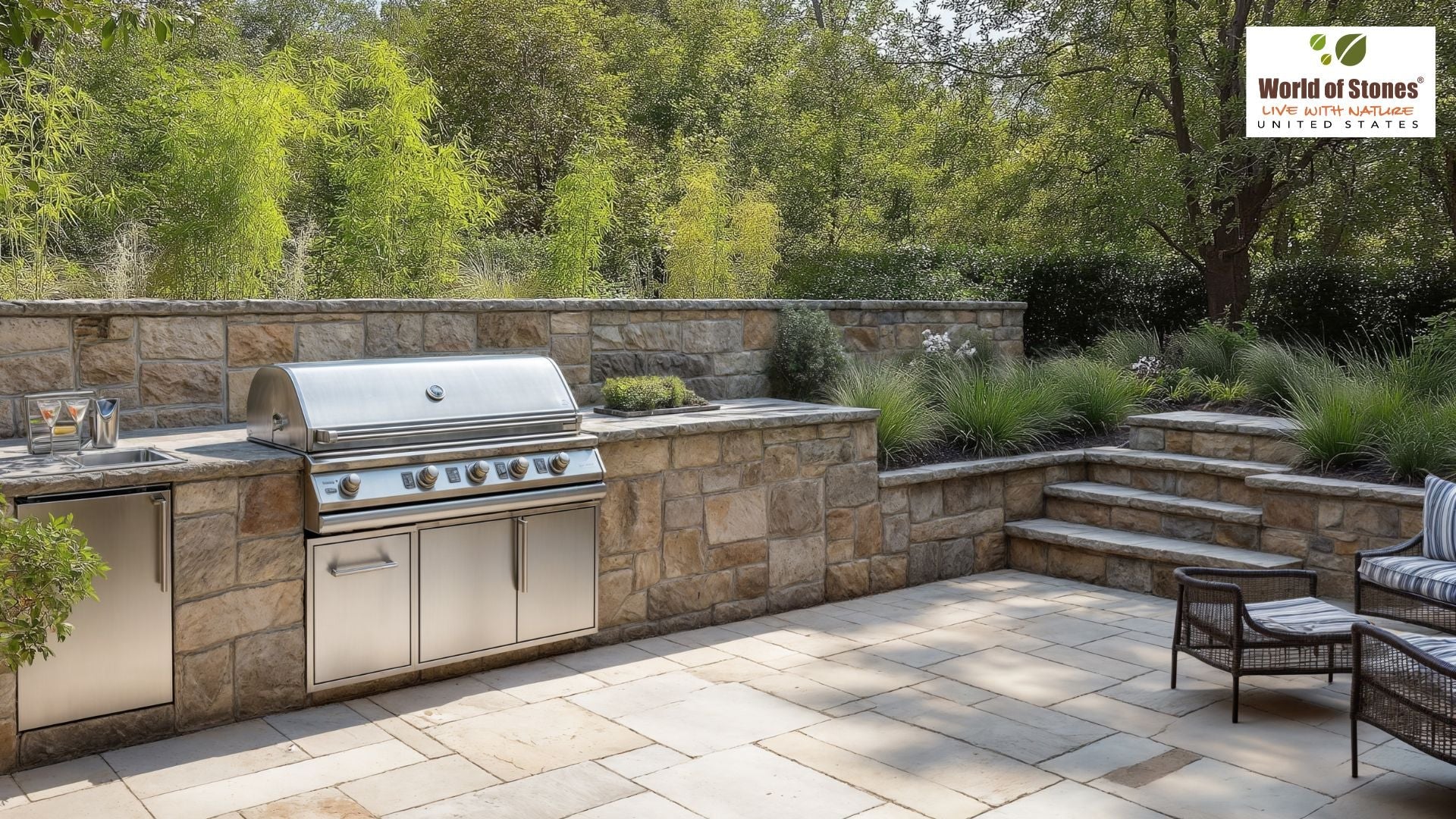
Credit: worldofstonesusa.com
Outdoor Kitchen Safety
Safety should always come first in any cooking area, especially outdoors.
Fire Safety
- Keep a fire extinguisher nearby.
- Never leave a hot grill or fire feature unattended.
- Keep grills away from flammable materials like dry plants or wood decks.
Electrical Safety
- Use only outdoor-rated cords and outlets.
- Don’t overload circuits.
Gas Safety
- Check connections and hoses for leaks.
- Turn off gas when not in use.
Weather
- Never use grills or ovens in closed, unventilated shelters.
- Protect outlets and appliances from rain.
Regularly remind children and guests about safety rules.
Inspiring Real-life Outdoor Kitchens
Here are a few examples to spark your imagination:
- A family in Texas built a U-shaped kitchen with a gas grill, smoker, and large granite bar. They added string lights and a pergola for shade. Their backyard parties now last late into the night.
- In California, a couple installed a small L-shaped kitchen with a pizza oven, fridge, and herb garden. They use their space for weekly pizza nights with friends and neighbors.
- In New York, a rooftop outdoor kitchen features stainless steel cabinets, a compact grill, and a simple sink. It’s perfect for city dwellers who love to cook outdoors but have limited space.
These examples show that outdoor kitchens work in many climates and sizes—you don’t need a huge yard to enjoy one.
Sustainability And Eco-friendly Choices
If you want to reduce your impact on the environment, consider these ideas:
- Use LED lighting for less energy use.
- Choose recycled materials for counters or cabinets.
- Add a compost bin for food scraps.
- Collect rainwater for cleaning or watering plants.
- Pick energy-efficient appliances with Energy Star ratings.
A small solar panel can power lights or a fridge in some cases. Also, using local materials cuts down on shipping and supports your area’s economy.
Outdoor Kitchen Trends For 2026
Outdoor kitchens continue to evolve. Here are trends to watch:
- Smart appliances: Grills, fridges, and lights you control from your phone.
- Modular kitchens: Pre-built units you can move or add to over time.
- Mixed materials: Combining wood, stone, and metal for a modern look.
- Outdoor living rooms: Adding sofas, rugs, and decor for a true outdoor “room.”
- Edible gardens: Growing herbs and vegetables right next to your kitchen.
These trends show that outdoor kitchens are becoming as comfortable and flexible as indoor spaces.
Common Mistakes To Avoid
Many homeowners make the same errors when building outdoor kitchens. Here’s how to avoid them:
1. Underestimating The Budget
Prices add up quickly. Always add 15-20% extra for surprises.
2. Ignoring The Weather
Choose materials and appliances that can handle your climate.
3. Not Enough Counter Space
It’s easy to run out of room. Plan for more than you think you need.
4. Bad Lighting
A beautiful kitchen is useless if you can’t see what you’re cooking at night.
5. Poor Ventilation
Smoke and heat need to escape, especially under a roof.
6. Skipping Permits
This can lead to fines or problems selling your home.
7. Choosing Indoor Appliances
Only use outdoor-rated equipment.
8. Forgetting Storage
You’ll need a place for tools, dishes, and cleaning supplies.
9. Not Planning For Utilities
Running gas, water, and power lines can be expensive and tricky.
10. Neglecting Maintenance
Regular care keeps your kitchen safe and looking good.
If you avoid these mistakes, your outdoor kitchen will be more enjoyable and less stressful.
Outdoor Kitchen Recipes To Try
Cooking outdoors is more than burgers and hot dogs. Here are three simple recipes to get you started:
Grilled Vegetable Platter
- Ingredients: Zucchini, bell peppers, mushrooms, olive oil, salt, pepper
- Steps:
- Slice vegetables and toss with oil, salt, and pepper.
- Grill on medium heat for 3-5 minutes per side.
- Serve with fresh lemon juice.
Classic Grilled Pizza
- Ingredients: Pizza dough, tomato sauce, cheese, toppings of choice
- Steps:
- Stretch dough and brush with oil.
- Grill 2 minutes, flip, add sauce and toppings, grill until cheese melts.
Barbecue Chicken Skewers
- Ingredients: Chicken breast, barbecue sauce, bell peppers, onions
- Steps:
- Cut chicken and veggies, thread onto skewers.
- Brush with sauce, grill 6-8 minutes, turning often.
These recipes are easy for beginners and show how versatile your outdoor kitchen can be.
Outdoor Kitchen Case Study
One homeowner in Florida spent $12,000 on a mid-range outdoor kitchen. They chose an L-shaped layout with a built-in gas grill, stainless cabinets, a small fridge, and granite counters. The project took six weeks and required city permits. After completion, they hosted a birthday party for 20 people without stepping inside the house for anything except dessert.
Their guests loved the setup, and the family now uses the space at least three times a week.
A year later, the kitchen still looks new, thanks to regular cleaning and weather covers. The homeowners say the biggest surprise was how much they use the outdoor fridge for drinks and snacks, even when not cooking. Their advice: “Spend money on quality appliances, and don’t skip the fridge!”
Frequently Asked Questions
What Is The Average Cost To Build An Outdoor Kitchen?
The average cost is between $7,000 and $20,000. Simple setups can be done for as little as $2,000, while luxury kitchens with full appliances may cost $50,000 or more. Costs depend on size, materials, appliances, and the need for gas, water, or electric lines.
Can I Build An Outdoor Kitchen Myself?
Yes, you can build a simple outdoor kitchen if you have basic skills. Many people use pre-built grill islands or DIY kits. However, for gas, water, or electrical work, it’s safest to hire a licensed professional. Permits are often required.
What Materials Are Best For Outdoor Kitchen Countertops?
Granite and concrete are the most popular because they resist heat, sun, and rain. Stainless steel is also good for modern styles. Avoid indoor materials like laminate or wood, which can rot or warp outside.
Do I Need A Permit To Build An Outdoor Kitchen?
Usually, yes—especially if you’re adding gas, water, or electricity. Always check with your city or town before starting. Not getting permits can lead to fines or problems when you sell your home.
How Do I Maintain My Outdoor Kitchen?
Clean grills after every use, wipe counters, and check appliances for rust or damage. Cover your kitchen in bad weather, and seal stone surfaces once a year. Turn off water and gas lines before winter if you live in a cold area.
For more detailed design ideas and materials, you can check Houzz’s Outdoor Kitchen Ideas.

Credit: www.pennstone.com
Final Thoughts
An outdoor kitchen can change how you live and entertain. It adds value, fun, and flexibility to your home. Whether you want a simple grill station or a luxury cooking space, careful planning and the right materials will help you build an outdoor kitchen that lasts for years.
Remember to plan for your climate, follow safety rules, and invest in quality appliances. With the right choices, your outdoor kitchen will become the heart of your backyard—a place for cooking, laughing, and making memories with family and friends.