BBQ Shelters: Ultimate Guide to Stylish Outdoor Grilling Spaces
Why Bbq Shelters Matter More Than You Think
Imagine grilling your favorite meal outside, but suddenly rain starts falling. Or maybe the sun is so strong you feel uncomfortable. Many people love barbecuing, but weather can ruin the experience. BBQ shelters solve this problem. They protect your grill and guests from sun, rain, wind, and even snow.
Shelters make outdoor cooking easy, comfortable, and safe. They help you use your BBQ more often—no matter the weather. You also get a cleaner space, because a shelter blocks leaves and dirt. Some people think a BBQ shelter is just a luxury.
In reality, it’s a smart investment. It extends your grilling season, keeps your equipment safe, and adds value to your home.
This article shows you everything you need to know about BBQ shelters. You’ll learn about types, materials, design, installation tips, mistakes to avoid, and how to choose the best shelter for your needs. If you want to upgrade your outdoor space, keep reading.

Understanding Bbq Shelters: The Basics
A BBQ shelter is any structure that covers your grill area outdoors. Some are simple roofs, others have walls, lights, or even storage. Shelters range from small canopies to large outdoor kitchens.
Main Benefits
- Weather Protection: Shields from rain, sun, wind, and snow.
- Cleanliness: Keeps leaves, dust, and debris away.
- Safety: Reduces fire risk by keeping grill away from flammable areas.
- Comfort: Makes grilling enjoyable in all seasons.
- Equipment Life: Protects your BBQ grill and tools from rust and damage.
Common Types
- Pergolas: Open structures with beams, sometimes with partial shade.
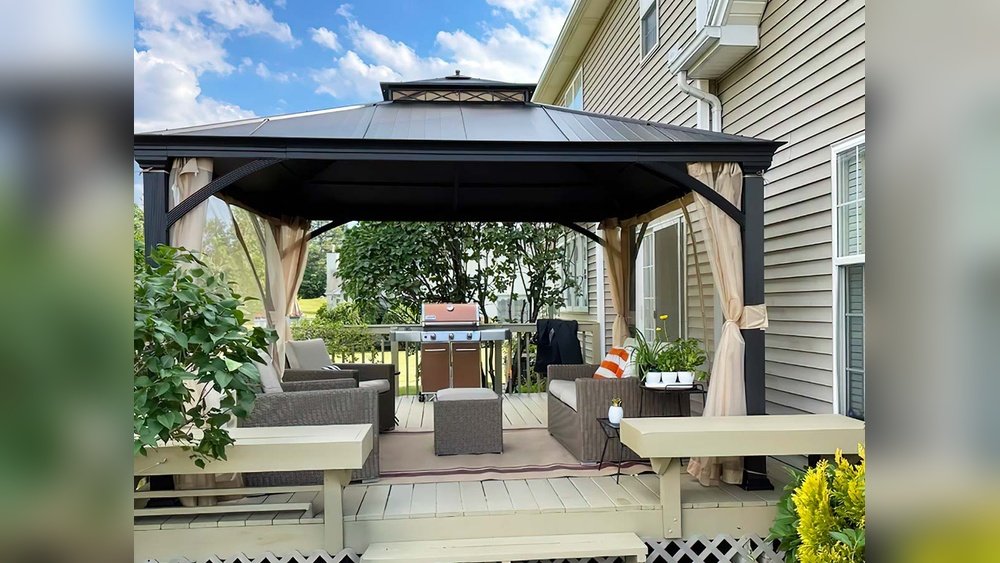
- Gazebos: Fully roofed, often with open sides.
- Canopies: Fabric covers, usually portable.
- Permanent Roofs: Built from wood, metal, or shingles; strong and long-lasting.
- Enclosed Shelters: Walls for extra protection, sometimes glass or screens.
You don’t need to be an expert to see why shelters matter. But picking the right one is more complicated than it looks.
Types Of Bbq Shelters: Which One Fits You?
Choosing the right shelter depends on your space, budget, and needs. Each type has strengths and weaknesses.
Pergolas
A pergola uses beams and slats, creating partial shade. Pergolas look stylish and blend well with gardens. They let air move freely, which reduces smoke buildup. But they don’t block rain fully.
Pros:
- Beautiful design
- Allows airflow
- Can grow vines for natural shade
Cons:
- Limited rain protection
- Needs regular maintenance
Gazebos
A gazebo gives full roof coverage and often looks elegant. It’s good for larger gatherings and offers strong protection from rain and sun.
Pros:
- Full coverage
- Adds value to property
- Can include screens for bugs
Cons:
- Higher cost
- Needs more space
Canopies
Canopies are fabric shelters with poles. They’re easy to set up and move. Canopies are a cheap option for renters or people with small yards.
Pros:
- Affordable
- Portable
- Quick setup
Cons:
- Not durable
- Limited wind protection
Permanent Roofs
A permanent roof is built with wood, metal, or shingles. It’s a solid, long-term solution. These shelters can be customized with lights, fans, and storage.
Pros:
- Long-lasting
- Full weather protection
- Customizable
Cons:
- Expensive
- Requires professional installation
Enclosed Shelters
Enclosed shelters have walls or screens. They block wind, bugs, and rain. Some have sliding doors or windows.
Pros:
- Maximum protection
- Great for winter
- Can be used as outdoor kitchen
Cons:
- Highest cost
- May need permits
Comparison Table: Shelter Types
Here’s a quick overview to help you compare:
| Shelter Type | Weather Protection | Cost | Portability | Maintenance |
|---|---|---|---|---|
| Pergola | Partial | Medium | Low | Medium |
| Gazebo | Full | High | Low | Medium |
| Canopy | Partial | Low | High | Low |
| Permanent Roof | Full | High | Low | Low |
| Enclosed Shelter | Full | Very High | Low | High |
Materials: What’s Best For Bbq Shelters?
The right material affects durability, maintenance, and style. Some materials last longer, others look better.
Wood
Wood is classic and blends well with gardens. Cedar and treated pine are popular. Wood needs care—staining or painting every few years.
Advantages:
- Natural look
- Easy to customize
- Good insulation
Disadvantages:
- Needs maintenance
- Can rot or warp
Metal
Metal shelters use steel or aluminum. They last long and resist fire. Aluminum is lighter; steel is stronger.
Advantages:
- Durable
- Fire-resistant
- Low maintenance
Disadvantages:
- Can rust (if not coated)
- Feels cold and industrial
Fabric
Fabric canopies are made from polyester or canvas. They’re easy to move and store. Fabric wears out faster and needs replacement.
Advantages:
- Lightweight
- Cheap
- Quick to set up
Disadvantages:
- Not long-lasting
- Less protection
Polycarbonate & Glass
Polycarbonate is a tough plastic, often used for clear roofs. Glass shelters are rare but very stylish. Both materials let in light and block UV rays.
Advantages:
- Lets in natural light
- Modern look
- Blocks UV
Disadvantages:
- Can crack
- Higher cost
Shingles And Tiles
Some permanent shelters use roof shingles or tiles. These are great for matching your home’s roof. They resist rain and sun well.
Advantages:
- Very durable
- Matches house design
Disadvantages:
- Heavy
- Needs strong structure
Material Comparison Table
See how different materials stack up:
| Material | Durability | Maintenance | Cost | Fire Safety |
|---|---|---|---|---|
| Wood | Medium | High | Medium | Medium |
| Metal | High | Low | Medium-High | High |
| Fabric | Low | Low | Low | Low |
| Polycarbonate | Medium-High | Low | High | Medium |
| Shingles/Tiles | High | Low | High | High |
Designing Your Bbq Shelter: Key Considerations
A BBQ shelter must fit your space, lifestyle, and taste. Poor design can waste money and time. Here are important points to guide you.
Size And Layout
Measure your grill and outdoor area. Allow space for walking, seating, and storage. Most experts recommend at least 8 feet by 8 feet for a basic shelter. If you host large gatherings, go bigger.
Ventilation
Grilling creates smoke and heat. Your shelter needs good airflow. Open sides, vents, or fans help. Never build a shelter too close to walls—smoke can damage your home.
Lighting
Outdoor grilling often happens in the evening. Install LED lights or string lights. Solar-powered lights are eco-friendly and easy to install.
Drainage
Rainwater must flow away from your shelter. Slope the roof, add gutters, and avoid low spots in your yard.
Storage And Extras
Think about shelves for spices, hooks for tools, and cabinets for charcoal. Some shelters include mini-fridges or sinks. These extras make cooking easier.
Style
Choose colors and materials that match your house and garden. Popular styles include rustic wood, modern metal, or Mediterranean tile.
Safety
Keep flammable materials away from the grill. Install fire extinguishers and avoid low-hanging fabrics. Follow local fire codes.
Installation: Step-by-step Guide
Building a BBQ shelter can be easy or complex. Some people hire professionals, others do it themselves. Here’s a basic guide for DIY installation.
Step 1: Planning
- Decide on shelter type and size
- Check local building codes and permits
- Measure your space
Step 2: Foundation
- Mark shelter location
- Level the ground
- Pour concrete or install pavers for stable base
Step 3: Frame Construction
- Build or assemble frame (wood, metal, or prefab kit)
- Anchor frame to ground for safety
Step 4: Roof Installation
- Add beams or roof panels
- Install shingles, tiles, or fabric as needed
Step 5: Finishing Touches
- Add lighting, shelves, or screens
- Paint or stain wood for protection
Step 6: Safety Check
- Check for stability
- Test ventilation
- Install fire safety equipment
Many beginners forget to check for permits. Some cities require approval before building. Skipping this step can lead to fines or forced removal. Also, measure carefully—mistakes here waste materials and money.
Common Mistakes And How To Avoid Them
It’s easy to make errors when building or choosing a BBQ shelter. Here are frequent mistakes and tips to avoid them.
1. Poor Location
Placing your shelter too close to the house can cause fire risks and smoke damage. Choose a spot with enough space on all sides.
2. Wrong Size
A shelter that’s too small feels cramped. Too big wastes money and looks odd. Measure your grill, furniture, and walking space.
3. Bad Materials
Using untreated wood or thin fabric leads to fast damage. Invest in materials suited to your climate.
4. Ignoring Ventilation
Shelters without airflow trap smoke and heat. Always include open sides or vents.
5. Skipping Permits
Many people forget local rules. Check if you need a permit before building.
6. Inadequate Drainage
Without proper drainage, rainwater pools and causes rot. Slope your roof and add gutters.
7. Neglecting Fire Safety
Keep fire extinguishers nearby. Use fire-resistant materials close to the grill.
8. Overlooking Lighting
Grilling in the dark is dangerous. Plan for good lighting.
9. Forgetting Maintenance
Shelters need cleaning and repairs. Make a schedule for upkeep.
10. Not Planning For Storage
Shelters without storage lead to clutter. Include shelves and hooks.
Non-obvious tip: Many beginners install their shelter during dry season, but forget to test drainage until the first big rain. Always test water flow before finishing your project.
Bbq Shelter Costs: What To Expect
Prices vary based on size, materials, and features. Here’s a quick overview:
- Canopy: $50–$300
- Pergola: $500–$3,000
- Gazebo: $1,500–$5,000
- Permanent Roof: $2,000–$10,000
- Enclosed Shelter: $5,000–$20,000+
Extras like lighting, storage, and custom designs increase cost. Installing yourself saves money, but professionals offer better quality and faster results.
Cost Comparison Table
| Shelter Type | DIY Cost | Professional Cost | Maintenance Cost |
|---|---|---|---|
| Canopy | $50–$300 | $200–$500 | Low |
| Pergola | $500–$1,500 | $1,000–$3,000 | Medium |
| Gazebo | $1,500–$3,000 | $3,000–$5,000 | Medium |
| Permanent Roof | $2,000–$6,000 | $6,000–$10,000 | Low |
| Enclosed Shelter | $5,000–$10,000 | $10,000–$20,000 | High |

Credit: sunjoyshop.com
Choosing The Right Bbq Shelter For Your Needs
Finding the best shelter depends on your goals. Here’s how to decide:
For Small Yards
Choose a canopy or small pergola. Portable shelters work well. Look for easy setup and storage.
For Frequent Grilling
Pick a gazebo or permanent roof. These offer strong protection and last longer.
For Large Gatherings
A gazebo or enclosed shelter fits big groups. Add seating and lighting.
For Style
Match your shelter to your home. Wood looks natural; metal is modern. Polycarbonate and glass add a sleek touch.
For Budget
Canopies and simple pergolas are cheapest. Permanent roofs and enclosed shelters cost more but last longer.
For Weather
Rainy areas need full roofs and strong drainage. Sunny places benefit from open shelters and UV protection.
Non-obvious tip: If you live in a windy region, avoid fabric canopies. They can blow away or collapse. Metal or wood structures are safer.
Maintenance And Care Tips
A BBQ shelter lasts longer with proper care. Here’s how to keep yours in top shape:
- Clean regularly: Sweep leaves and debris. Wash fabric canopies with mild soap.
- Inspect for damage: Check wood for rot, metal for rust, and fabric for tears.
- Paint or stain: Treat wood every 2–3 years. Use weatherproof paint.
- Lubricate hinges: For shelters with doors or windows, oil moving parts.
- Check fasteners: Tighten bolts and screws.
- Maintain drainage: Clear gutters and downspouts.
- Store fabric shelters: Remove and store during winter or storms.
Most people skip routine checks. But catching problems early saves money and keeps your shelter safe.


Credit: www.backyarddiscovery.co.uk
Bbq Shelters And Outdoor Living Trends
BBQ shelters are part of a bigger trend—outdoor living spaces. More people want to cook, eat, and relax outside. According to a survey by the American Institute of Architects, demand for outdoor kitchens and shelters grew by over 30% in the last five years.
Homeowners add features like:
- Outdoor fireplaces
- Built-in grills
- Pizza ovens
- Bar seating
- Ambient lighting
Shelters make these features usable year-round. They also increase home value. A well-designed shelter can add 5–10% to property value. Real estate agents say buyers often look for covered outdoor spaces.
Environmental Impact: Eco-friendly Options
Many people care about the environment. You can choose eco-friendly shelters:
- Use recycled materials like composite wood or metal.
- Install solar-powered lights.
- Plant vines for natural shade.
- Avoid toxic paints or sealants.
- Use rainwater collection for cleaning.
Some shelters use green roofs—plants growing on top. This reduces heat and creates habitat for birds. Eco shelters are not just good for the planet, but also save money over time.
Real-life Examples: Bbq Shelter Inspiration
Seeing ideas from other homes helps you plan your own. Here are some inspiring examples:
1. Modern Metal Shelter
A family in Texas installed a steel shelter with LED lights and a ceiling fan. It stands against strong winds and looks sleek. The shelter includes shelves for spices and a mini-fridge.
2. Rustic Pergola
In California, a couple built a cedar pergola. They planted grape vines for shade. String lights make the area cozy at night. The shelter fits a grill and small table.
3. Enclosed Outdoor Kitchen
A homeowner in New York created a glass-walled shelter. It includes a built-in grill, sink, and storage. Sliding doors let in fresh air. The shelter is usable even in snow.
4. Portable Canopy
A renter in Florida uses a fabric canopy. It’s easy to move and store. The canopy is big enough for a grill and two chairs.
5. Mediterranean Tile Roof
In Arizona, a family built a shelter with red tiles and stucco walls. The design matches their home. The shelter includes a pizza oven and bar seating.
These examples show how shelters fit different climates, budgets, and styles.
Bbq Shelter Regulations: What You Need To Know
Local laws affect building shelters. Always check:
- Permits: Some cities require permits for permanent structures.
- Fire codes: Keep shelters away from flammable surfaces.
- Height limits: Rules may restrict shelter height.
- Property lines: Don’t build too close to neighbors.
- HOA rules: Homeowner associations often have extra requirements.
Failing to follow regulations can lead to fines or removal. If unsure, ask your city or HOA for guidance.
Upgrading Your Shelter: Smart Add-ons
Once your shelter is built, you can upgrade it:
- Screens: Keep bugs out while letting air in.
- Fans: Cool the space during summer.
- Heaters: Make winter grilling comfortable.
- Bluetooth speakers: Add music for parties.
- Outdoor TV: Watch games while cooking.
- Smart lights: Control brightness from your phone.
These add-ons improve comfort and make your BBQ shelter a true outdoor living room.
Bbq Shelter Safety: Essential Tips
Safety is a top priority. Here’s how to keep your shelter safe:
- Install fire extinguishers within reach.
- Use fire-resistant materials near the grill.
- Keep electrical wires away from water.
- Check gas lines for leaks if using gas grills.
- Supervise children and pets around the grill.
- Don’t overload electrical circuits with lights or fans.
Many beginners forget to check electrical safety. Outdoor wiring needs weatherproof covers and proper installation.
Bbq Shelter And Home Value
A BBQ shelter is not just for comfort—it’s a smart investment. Studies show that homes with outdoor kitchens or shelters sell faster and at higher prices. According to Zillow, homes with outdoor features sell for up to 10% more.
Shelters also make your home stand out. Buyers look for spaces to entertain, relax, and cook outside. If you plan to sell in the future, a shelter can pay for itself.
Where To Buy Bbq Shelters
Shelters are available from many sources:
- Local hardware stores (Home Depot, Lowe’s)
- Outdoor furniture shops
- Online retailers (Amazon, Wayfair)
- Specialty builders (custom designs)
Always check reviews and warranties. Some stores offer free installation. For custom shelters, ask for references and visit past projects.
For more details on shelter designs and regulations, check Wikipedia.
Frequently Asked Questions
What Size Bbq Shelter Do I Need?
Most people start with a shelter 8 feet by 8 feet. If you have a large grill or plan parties, go bigger. Measure your grill, seating, and walking space before buying.
Can I Build A Bbq Shelter Myself?
Yes, many shelters are easy to install. Canopies and pergolas often come as kits. Permanent shelters need more skill. Always check local permits and safety rules.
How Do I Protect My Bbq Shelter From Weather?
Clean regularly. Use weatherproof paint or stain. Check for leaks and clear gutters. Store fabric canopies during storms. For metal shelters, add rust-proof coating.
Are Bbq Shelters Safe For Grilling?
Yes, if built correctly. Use fire-resistant materials near the grill. Keep shelter open for airflow. Install fire extinguishers and follow fire codes.
Do Bbq Shelters Increase Home Value?
Absolutely. Outdoor shelters and kitchens can add 5–10% to property value. They make your home more attractive and usable.
Final Thoughts: Make Your Outdoor Cooking Better
A BBQ shelter changes how you grill and entertain. It protects you from weather, keeps your space clean, and adds comfort. Whether you pick a simple canopy or a full outdoor kitchen, you get more value from your home.
Remember to choose the right materials, design for safety and style, and maintain your shelter. Avoid common mistakes like poor ventilation or ignoring permits. With good planning, your BBQ shelter becomes the heart of your outdoor living.
Every backyard can benefit from a shelter. Start small or dream big—what matters is making your space work for you. Happy grilling!

Credit: www.amazon.com