Fuel Safety: Essential Tips to Prevent Accidents and Hazards

Fuel Safety: Protecting People, Property, And The Environment
Storing, handling, and using fuel is part of daily life for many people and businesses. From powering vehicles to heating homes, fuel safety is essential to prevent accidents, injuries, and environmental harm. Yet, many overlook the risks associated with gasoline, diesel, and other fuels. Fires, explosions, pollution, and health hazards can result from simple mistakes or lack of knowledge. Understanding fuel safety means learning the dangers, following best practices, and always being prepared. In this article, you’ll discover the essential steps for handling fuel safely, the importance of regulations, practical advice for homes and workplaces, and how to respond to emergencies. Whether you’re a driver, homeowner, worker, or manager, these guidelines can help you stay safe and protect those around you.
What Is Fuel Safety And Why Does It Matter?
Fuel safety refers to the precautions, procedures, and rules for handling, storing, and using fuels like gasoline, diesel, propane, and others. These fuels are highly flammable, and improper handling can cause fires, explosions, or toxic exposure. They are also harmful to the environment if spilled or leaked.
The importance of fuel safety comes from the risks involved:
- Fire hazards: Fuels ignite easily and can cause severe burns or property damage.
- Health risks: Breathing fuel vapors or touching fuel can affect your skin, eyes, or lungs.
- Environmental damage: Spills can pollute soil, water, and air, harming wildlife and people.
- Economic losses: Accidents or leaks may lead to expensive repairs, fines, or lawsuits.
In 2026, the U. S. Fire Administration reported over 5,000 fire incidents related to fuel storage and handling, causing hundreds of injuries and millions in damages. Most could have been prevented with proper safety measures.
Types Of Fuels And Their Hazards
Different fuels have unique properties and risks. Understanding these helps you apply the right safety steps.
Gasoline
Gasoline is highly flammable, evaporates quickly, and its vapors are heavier than air. These vapors can travel along the ground and ignite far from the source.
- Flash point: -40°F
- Main hazards: Fire, explosion, toxic vapors
Diesel
Diesel is less volatile than gasoline but still flammable. Its vapors can cause health problems if inhaled over time.
- Flash point: 100–160°F
- Main hazards: Fire, skin irritation, lung issues
Propane
Propane is stored as a liquid under pressure and turns to gas when released. It can explode if tanks are damaged or heated.
- Storage pressure: Up to 200 psi
- Main hazards: Explosion, suffocation, frostbite
Natural Gas
Natural gas is lighter than air and disperses quickly. Leaks indoors can cause explosions or poisoning.
- Main hazards: Explosion, asphyxiation
Aviation Fuels
Jet fuel and aviation gasoline are used in aircraft. They have strict safety rules due to their high volatility.
- Main hazards: Fire, toxic exposure
Fuel Oil
Fuel oil is used for heating and industrial purposes. It is less flammable but can cause environmental harm if spilled.
- Main hazards: Pollution, fire
| Fuel Type | Flash Point (°F) | Main Hazards |
|---|---|---|
| Gasoline | -40 | Fire, explosion, toxic vapors |
| Diesel | 100–160 | Fire, skin/lung irritation |
| Propane | -156 | Explosion, suffocation |
| Natural Gas | -296 | Explosion, asphyxiation |
| Jet Fuel | 38–150 | Fire, toxic exposure |
| Fuel Oil | 140–200 | Pollution, fire |
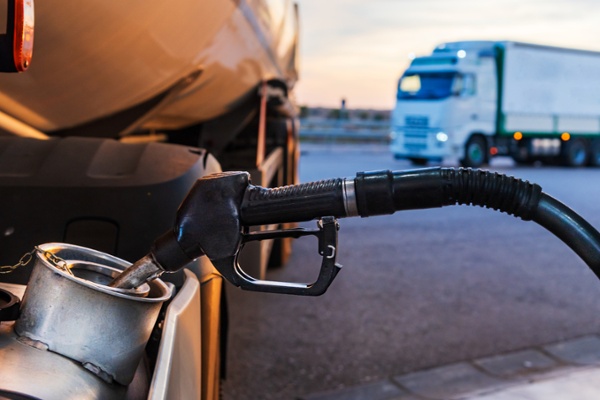
Credit: blog.storemasta.com.au
Common Fuel-related Accidents And Their Causes
Accidents involving fuel happen for many reasons. Knowing the causes can help you avoid them.
- Spills and leaks: Often caused by faulty containers, poor handling, or damaged fuel lines.
- Ignition sources: Sparks, open flames, electrical devices, or static electricity can ignite fuel vapors.
- Improper storage: Storing fuel in unsuitable containers or places raises the risk of fire or explosion.
- Poor ventilation: Fuel vapors can build up indoors, leading to poisoning or explosion.
- Lack of training: Many accidents happen because people don’t know safety rules.
- Equipment failure: Pumps, tanks, or valves may break or malfunction, leading to leaks or fires.
- Human error: Simple mistakes, like forgetting to close a valve or using the wrong fuel, can have serious results.
Non-obvious insight: Static electricity is a common but overlooked ignition source. When refueling vehicles, always touch a metal part of your car before opening the fuel cap to discharge static.
Regulations And Standards For Fuel Safety
Fuel safety is governed by strict rules to protect people and the environment. These rules come from local, national, and international agencies.
Key U.s. Regulations
- Occupational Safety and Health Administration (OSHA): Sets rules for workplace fuel handling, storage, and training.
- Environmental Protection Agency (EPA): Regulates storage tanks, spill response, and environmental protection.
- National Fire Protection Association (NFPA): Publishes codes for fuel storage and fire prevention.
- Department of Transportation (DOT): Controls fuel transport by road, rail, air, and sea.
International Standards
- International Maritime Organization (IMO): Manages fuel safety for ships.
- International Air Transport Association (IATA): Sets rules for aviation fuel.
Local Laws
States and cities may have extra rules for fuel storage, permits, and fire safety. Always check with local authorities before storing large amounts of fuel.
| Regulatory Body | Main Focus | Applicable Areas |
|---|---|---|
| OSHA | Workplace safety | U.S. workplaces |
| EPA | Environmental protection | U.S. storage tanks |
| NFPA | Fire prevention | U.S. fire codes |
| DOT | Transportation safety | U.S. transport |
| IATA | Aviation fuel safety | International air travel |
| IMO | Marine fuel safety | International shipping |
Why Compliance Matters
Following these rules is not just about avoiding fines. It protects workers, communities, and the environment. Non-compliance can lead to:
- Fires and explosions
- Pollution and cleanup costs
- Legal action and fines
- Loss of insurance coverage
Safe Fuel Storage: Best Practices

Storing fuel safely is one of the most important steps. Whether at home, on a farm, or in a business, follow these rules.
Choose The Right Container
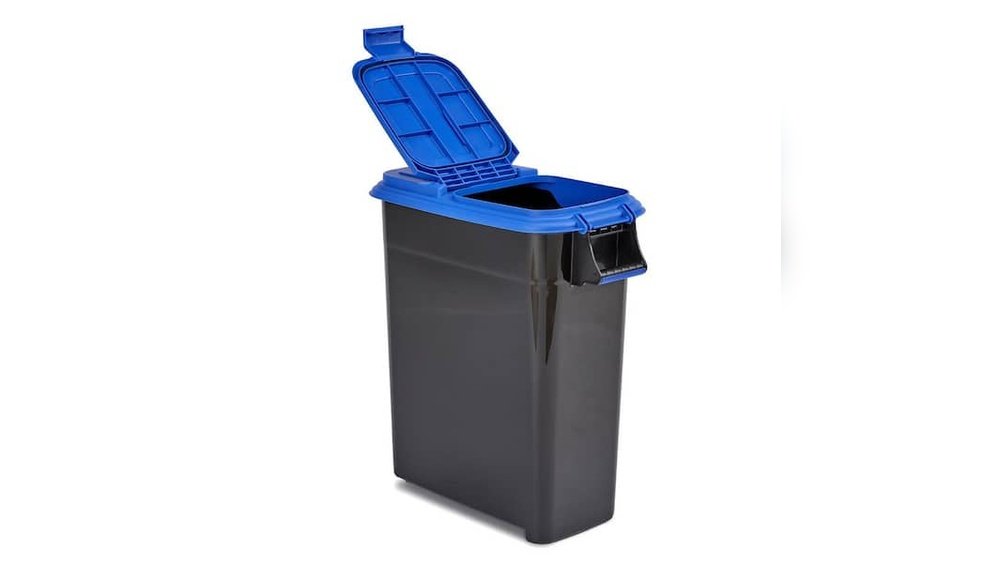
- Use containers approved by DOT or NFPA.
- Never use glass, plastic, or other makeshift containers.
- For gasoline, use red containers; for diesel, use yellow.
Location Matters
- Store fuel in a well-ventilated area, away from living spaces.
- Keep containers at least 50 feet from ignition sources.
- Avoid direct sunlight and extreme temperatures.
- Never store fuel in basements or near drains.
Quantity Controls
- Homeowners should store no more than 5 gallons (about 19 liters) of gasoline or diesel.
- Larger quantities require permits and special tanks.
Security
- Keep containers locked and out of reach of children.
- Label containers with the fuel type and hazard warnings.
Monitoring
- Check containers regularly for leaks, rust, or damage.
- Replace old or damaged containers promptly.
Spill Prevention
- Place containers on trays or shelves with spill barriers.
- Use funnels or pumps to transfer fuel, not open pouring.
Non-obvious insight: Even small amounts of fuel can produce dangerous vapors. Always open containers outdoors or in well-ventilated spaces.
Safe Handling Of Fuel: Step-by-step Guidance
Handling fuel safely involves simple but critical steps. Follow these whenever you fill, move, or use fuel.
- Wear protective gear: Gloves, goggles, and long sleeves protect your skin and eyes.
- Turn off engines and electrical devices: Never refuel while equipment is running.
- Ground yourself: Touch metal before handling fuel to prevent static sparks.
- Open containers slowly: Let vapors escape gently to avoid pressure buildup.
- Use pumps or funnels: Avoid spills and splashes.
- Clean up spills immediately: Use absorbent materials, not water.
- Wash hands thoroughly: After handling fuel, wash with soap and water.
Refueling Vehicles
- Park vehicles on level ground and turn off the engine.
- Keep the nozzle in contact with the fuel tank to prevent static.
- Do not overfill; leave space for expansion.
Filling Equipment
- Use slow, steady movements to avoid splashing.
- Fill only to recommended levels.
Transporting Fuel
- Use approved containers with tight lids.
- Secure containers in your vehicle to prevent tipping.
- Ventilate your vehicle if carrying fuel inside.
Disposal Of Fuel
- Never pour fuel down drains, toilets, or onto the ground.
- Take old or unused fuel to hazardous waste facilities.
Non-obvious insight: Many people forget to check local disposal rules. Improper disposal is illegal and can cause pollution.
Fuel Safety At Home
Many homes use fuel for heating, lawn mowers, generators, or vehicles. Follow these steps to reduce risks.
Heating Systems
- Have furnaces and boilers inspected yearly.
- Keep flammable items away from heaters.
- Install carbon monoxide detectors in your home.
Generators And Lawn Equipment
- Refuel equipment outdoors, away from buildings.
- Let equipment cool before refueling.
- Store extra fuel safely, away from children.
Gasoline And Diesel Storage
- Keep small amounts in approved containers.
- Label containers and store in sheds or garages, not inside the house.
- Check for leaks regularly.
Emergency Preparedness
- Know where your fuel is stored and how to shut off supply lines.
- Keep a fire extinguisher rated for Class B fires (flammable liquids) nearby.
Common Mistakes
- Using unapproved containers
- Storing fuel near food or water
- Refueling hot equipment
Fuel Safety In The Workplace

Businesses and workplaces deal with larger fuel volumes and more complex systems. Safety rules are stricter.
Training
- Workers must receive regular training on fuel handling, storage, spill response, and fire safety.
- Keep written procedures and emergency contacts posted.
Storage Facilities
- Use tanks with secondary containment (spill barriers or trays).
- Install leak detectors and alarms.
- Inspect tanks and pipes regularly.
Refueling Areas
- Designate clear refueling zones, away from buildings and busy areas.
- Post warning signs and keep fire extinguishers nearby.
Personal Protective Equipment
- Require gloves, goggles, and flame-resistant clothing.
- Enforce safety rules strictly.
Emergency Plans
- Have written spill and fire response plans.
- Practice drills regularly.
Reporting
- Report leaks, spills, or unsafe conditions immediately.
Common Mistakes
- Skipping training or ignoring safety procedures
- Using damaged equipment
- Failing to monitor for leaks

Credit: fuelshoes.com
Fuel Safety On Farms And Rural Properties
Farms use fuel for tractors, generators, and heating. Rural properties often have larger storage tanks.
Storage
- Place tanks above ground, away from wells, streams, and buildings.
- Fence off tanks to prevent access by children or animals.
- Use tanks with secondary containment.
Refueling
- Turn off engines before refueling.
- Use pumps instead of pouring fuel.
Environmental Protection
- Check for leaks or spills after storms or floods.
- Keep absorbent materials ready for quick spill response.
Maintenance
- Inspect tanks and lines monthly.
- Remove water or sludge from tanks to prevent corrosion.
Common Mistakes
- Storing fuel near water sources
- Failing to secure tanks from unauthorized access
Fuel Transportation: Safety Rules And Best Practices
Transporting fuel is risky, whether in small containers or tanker trucks. Follow these steps to stay safe.
Small-scale Transport
- Use DOT-approved containers.
- Secure containers in your vehicle; never leave them loose.
- Open windows for ventilation if carrying fuel inside.
Large-scale Transport
- Tanker trucks must have special safety equipment (pressure relief valves, spill containment).
- Drivers need special training and licenses.
- Inspect vehicles before each trip.
Rail, Air, And Sea Transport
- Follow strict international rules for packaging, labeling, and documentation.
- Use special containers and tanks designed for each mode.
Accident Prevention
- Avoid sudden stops or sharp turns when carrying fuel.
- Check containers for leaks before loading.
Common Mistakes
- Using unapproved containers for transport
- Overfilling containers
- Ignoring ventilation needs
| Mode of Transport | Container Type | Safety Requirement |
|---|---|---|
| Personal Vehicle | DOT-approved can | Secure, ventilated |
| Tanker Truck | Bulk tank | Pressure relief, spill containment |
| Rail | Tank car | Labeling, secure fittings |
| Ship | Marine tank | IMO rules, fire protection |
| Airplane | Special drum | IATA-approved, sealed |
Environmental Impacts Of Fuel Accidents
Fuel spills and leaks can cause severe environmental damage.
Soil Pollution
- Fuel can seep into soil, making it toxic for plants and animals.
- Cleanup is costly and often requires removing contaminated soil.
Water Pollution
- Fuel floats on water, harming fish, birds, and aquatic life.
- Even small spills can pollute drinking water sources.
Air Pollution
- Fuel vapors add to air pollution and can cause health problems.
Wildlife Harm
- Animals may drink contaminated water or eat polluted plants.
- Oil spills can kill birds and fish.
Prevention Steps
- Use secondary containment for tanks.
- Inspect storage areas often.
- Report spills quickly to authorities.
Non-obvious insight: Many environmental accidents happen during storms, floods, or earthquakes. Secure fuel tanks before severe weather.
Fire Prevention And Emergency Response
Fire is the most serious risk with fuel. Preventing fires and knowing how to respond is critical.
Prevention
- Keep fuel away from open flames, heaters, and electrical equipment.
- Store fire extinguishers rated for Class B fires near fuel areas.
- Maintain clear access to exits and emergency equipment.
Response Steps
- Sound the alarm: Warn others and call emergency services.
- Evacuate: Leave the area quickly.
- Use extinguishers if safe: Only fight small fires with the right extinguisher.
- Shut off fuel supply: If possible, stop flow to reduce fire size.
- Stay low: Fuel vapors can rise; stay below smoke.
Spill Response
- Stop the source of the spill.
- Use absorbent materials to soak up fuel.
- Dispose of used materials properly.
- Ventilate the area.
First Aid For Exposure
- If fuel touches skin, wash with soap and water.
- For eye exposure, rinse with clean water for 15 minutes.
- If swallowed, call poison control immediately.
Common Mistakes
- Using water to fight fuel fires (spreads fire)
- Delaying evacuation
- Ignoring protective gear
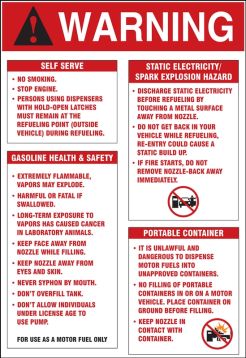
Credit: www.accuform.com
Training And Education For Fuel Safety
Training is the foundation of safe fuel handling.
Who Needs Training?
- Workers who handle or store fuel
- Managers and supervisors
- Homeowners with large fuel tanks
- Anyone transporting fuel
What Should Training Cover?
- Types of fuel and their hazards
- Safe storage and handling procedures
- Spill and fire response
- Proper use of protective equipment
- Emergency contacts and reporting
Effective Training Methods
- Hands-on practice
- Written manuals and checklists
- Online courses and videos
- Regular refresher sessions
Certification
Some jobs require certification in fuel safety, such as tanker drivers or hazardous materials handlers.
Common Mistakes
- Skipping refresher training
- Not updating training after rule changes
Non-obvious insight: Many accidents happen because people forget procedures during emergencies. Practice drills regularly to build real-life skills.
New Technologies And Innovations In Fuel Safety
Advances in technology are making fuel handling safer.
Leak Detection Systems
- Electronic sensors alert when tanks or pipes leak.
Smart Containers
- Containers with built-in alarms or GPS tracking.
Automatic Shutoff Valves
- Stop fuel flow if leaks or fires are detected.
Fire Suppression Systems
- Automatic sprinklers or foam systems in storage areas.
Remote Monitoring
- Managers can track tank levels and safety conditions from smartphones.
Benefits
- Faster response to leaks or spills
- Reduced human error
- Safer workplaces and communities
The Role Of Inspections And Maintenance
Regular inspections prevent accidents and keep systems safe.
What To Inspect
- Tanks and containers for leaks, rust, or damage
- Pipes and valves for wear
- Safety equipment for readiness
How Often?
- Home tanks: Every 6–12 months
- Workplace tanks: Monthly or more
- After storms or accidents: Immediately
Maintenance Steps
- Clean tanks to remove water or sludge
- Replace worn parts
- Test alarms and detectors
Record Keeping
- Keep written logs of inspections and repairs
Common Mistakes
- Skipping inspections due to busy schedules
- Ignoring minor leaks
Insurance And Liability In Fuel Safety
Insurance protects against losses from fuel accidents.
Types Of Coverage
- Property damage
- Environmental cleanup
- Injury or death
- Business interruption
Requirements
- Many businesses must carry insurance for fuel storage and transport.
- Insurers may require regular inspections and compliance with safety rules.
Liability
- Owners are responsible for accidents, even if caused by employees or visitors.
- Legal action may follow spills or fires.
Tips
- Review policies regularly.
- Update coverage if your fuel use changes.
Real-world Examples Of Fuel Accidents
Learning from real incidents helps prevent repeat mistakes.
1. Gas Station Fire (texas, 2026)
A spark from a cellphone ignited gasoline vapors during refueling, causing a fire. Two people were injured. The station lacked proper warning signs and fire extinguishers.
2. Diesel Spill (ohio, 2019)
A truck leaked diesel near a river. Quick response prevented major water pollution, but cleanup cost over $50,000.
3. Propane Explosion (canada, 2020)
Improper storage of propane tanks led to an explosion. The accident destroyed a building and injured three workers.
Lessons Learned
- Always post safety signs
- Inspect equipment regularly
- Train staff and practice emergency drills
Fuel Safety For Consumers: Everyday Tips
Even small actions can make a big difference.
- Only buy fuel from reputable stations.
- Use the right fuel for your vehicle or equipment.
- Check for leaks after refueling.
- Keep fuel away from children and pets.
- Follow local disposal rules.
Frequently Asked Questions
What Is The Safest Way To Store Gasoline At Home?
Store gasoline in approved containers (usually red), away from living spaces and ignition sources, in a cool, ventilated area such as a shed or garage. Keep quantities small—no more than 5 gallons. Always check for leaks and label containers clearly.
How Do I Clean Up A Small Fuel Spill?
For small spills, use absorbent materials like cat litter or commercial pads. Avoid using water, as it spreads fuel. Dispose of used materials at a hazardous waste facility, not in regular trash. Ventilate the area and wash hands thoroughly.
Can Fuel Vapors Cause Health Problems?
Yes, fuel vapors can cause headaches, dizziness, nausea, and lung irritation. Long-term exposure increases health risks. Always handle fuel in well-ventilated areas, and avoid breathing vapors directly.
What Should I Do If A Fuel Fire Starts?
If a fuel fire starts, evacuate the area and call emergency services. Use a Class B fire extinguisher if the fire is small and safe to fight. Never use water on fuel fires—it can spread flames. Shut off fuel supply if possible.
Are There Alternatives To Traditional Fuels That Are Safer?
Yes, alternative fuels like electricity, hydrogen, and biofuels are often safer and cleaner. However, each has its own risks, so safety guidelines must still be followed. For more information, see Wikipedia on Alternative Fuels.
—
Fuel safety is vital for everyone who stores, handles, or uses fuel. Fires, explosions, pollution, and health hazards can happen quickly if you don’t follow the right steps. With clear rules, proper training, and the latest technology, you can protect your family, workers, and the environment.
Make safety a habit—inspect equipment, follow regulations, and stay prepared for emergencies. The risks are real, but with knowledge and care, they can be managed. Stay alert, follow best practices, and never take shortcuts. Your safety, and the safety of those around you, depends on it.