BBQ Fuel Guide: Choosing the Best Fuel for Perfect Grilling
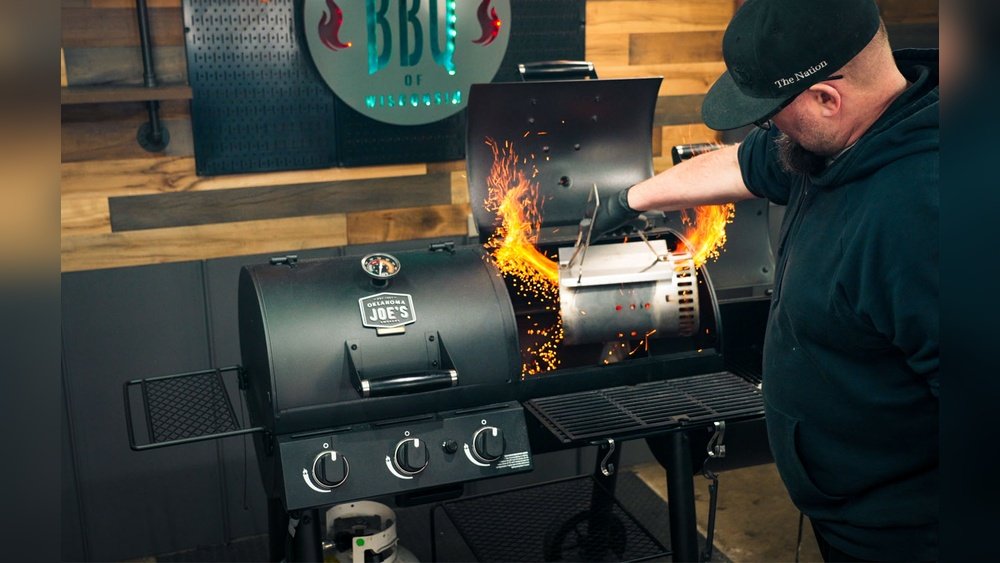
Grilling is more than just cooking food outside—it’s a ritual, a way to gather with friends and family, and for many, a passion. But every great barbecue begins with one important decision: Which fuel should you use? The choice can seem simple at first, but when you start looking, you find many options—charcoal, wood, gas, pellets, and even electric. Each fuel type gives a different flavor, texture, and grilling experience. Choosing the right one can be the difference between a good meal and an unforgettable one.
Understanding BBQ fuel isn’t just about taste. It’s about cost, convenience, health, and even the environment. Many beginners think all fuels are equal, but small differences can change everything, from how your steak tastes to how long you spend cleaning up. In this guide, you’ll discover how each BBQ fuel works, what it’s best for, and what you need to know before your next cookout. Whether you’re a weekend griller or a backyard pitmaster, this BBQ Fuel Guide will help you make smarter, tastier choices every time you fire up the grill.

Understanding Bbq Fuel Types
The world of BBQ fuel is bigger than most people think. Each type offers unique benefits, challenges, and flavors. Let’s explore the main types and what makes them stand out.
Charcoal
Charcoal is a favorite for many grill enthusiasts. It’s made by burning wood in a low-oxygen environment, leaving behind almost pure carbon. This process gives charcoal its high heat and unique smoky flavor.
Types of charcoal:
- Lump charcoal: Made from chunks of hardwood, it lights quickly and burns hot. It gives a natural wood flavor.
- Briquettes: These are uniform, pillow-shaped blocks made from compressed charcoal dust and binding agents. Briquettes burn longer and more evenly, but some contain additives that affect flavor.
Why choose charcoal?
- Flavor: Charcoal gives food a smoky, classic BBQ flavor.
- Heat control: With practice, you can control the heat by adjusting airflow or moving coals around.
- Cost: Lump charcoal is usually more expensive than briquettes, but both are affordable.
Drawbacks: Charcoal can be messy, takes time to light, and requires more cleanup than other fuels.
Wood
Wood is the original BBQ fuel, used for thousands of years. It adds deep, rich flavors to food, and different woods create different tastes.
Popular woods for BBQ:
- Hickory: Strong, smoky flavor. Best for ribs and pork.
- Mesquite: Very strong and earthy. Great for beef but can be overpowering.
- Apple and cherry: Mild and sweet. Good for chicken and fish.
- Oak: Medium flavor. Very versatile.
Why choose wood?
- Flavor: Gives the most complex, authentic smoke.
- Variety: Each wood type changes the taste of your food.
- Tradition: Many BBQ purists swear by wood.
Drawbacks: Wood can be hard to manage. It takes longer to heat, requires more skill, and is often more expensive.
Gas (propane Or Natural Gas)
Gas grills are popular for their speed and ease of use. They use either propane tanks or a natural gas line.
Benefits of gas:
- Convenience: Just turn a knob and start grilling.
- Control: Easy to adjust temperature.
- Clean: Less ash and residue than charcoal or wood.
Drawbacks: Gas doesn’t add much flavor. Some say food tastes “cleaner” but lacks the smokiness of charcoal or wood. Propane tanks must be refilled or replaced, while natural gas requires a line.
Wood Pellets
Pellet grills are a newer trend, using compressed wood pellets as fuel. An electric auger feeds pellets into a fire pot, giving steady heat and smoky flavor.
Benefits:
- Consistency: Digital controls make it easy to set and hold temperatures.
- Flavor: Pellets come in many woods, so you can mix flavors.
- Ease: Less babysitting than traditional wood or charcoal.
Drawbacks: Pellet grills are more expensive and need electricity. You also need to buy special pellets.
Electric
Electric grills use a heating element to cook food. Some add a small wood chip box for smoke.
Benefits:
- Simplicity: Plug in and start grilling.
- Indoor/outdoor use: Many are safe for balconies or indoors.
- Low mess: No ash or soot.
Drawbacks: Lacks the true BBQ taste. Electric grills can’t match the high temperatures or smoky flavor of real fire.
Comparing Main Bbq Fuel Types
To help you choose, here’s a quick comparison of the main BBQ fuels:
| Fuel Type | Flavor | Heat Control | Ease of Use | Cost | Mess |
|---|---|---|---|---|---|
| Charcoal | Rich, smoky | Medium | Medium | Low-Medium | High |
| Wood | Strong, complex | Low | Low | Medium-High | High |
| Gas | Mild, clean | High | High | Medium | Low |
| Pellets | Smoky, varied | High | High | High | Low |
| Electric | Very mild | High | High | Medium | Very low |
How Bbq Fuels Affect Flavor
One of the most important roles of BBQ fuel is in flavor. Many new grillers don’t realize how much the fuel changes the taste of food.
Smoke And Chemistry
When wood or charcoal burns, it creates smoke made of gases and tiny particles. This smoke carries flavor compounds that stick to the surface of your meat. Different woods contain different oils and sugars, which create different flavors. For example, hickory adds a bacon-like taste, while applewood is sweeter.
Charcoal itself doesn’t add much flavor, but the drippings from meat hitting hot coals create smoke that flavors your food. Gas and electric grills don’t produce much smoke, so the taste is milder.
The Maillard Reaction
High heat from charcoal or wood fuels triggers the Maillard reaction—a chemical change that gives grilled food its brown color and savory taste. Fuels that burn hotter (like lump charcoal) make better grill marks and crusts.
Common Myths
Some people think using lighter fluid or instant-light charcoal adds flavor. In fact, these can leave unwanted chemical tastes. It’s better to use a chimney starter for charcoal.
Choosing The Right Bbq Fuel For Your Needs
Picking the best BBQ fuel depends on your goals, budget, and lifestyle. There’s no one-size-fits-all answer.
For Flavor Lovers
If you want the best taste, pure wood or lump charcoal are top choices. They give strong, natural smoke flavor. Mixing different woods lets you experiment with new tastes.
For Convenience Seekers
If you want to grill quickly and cleanly, gas or electric is best. Pellet grills offer a good balance of flavor and ease, though they cost more.
For Beginners
Charcoal briquettes or a small gas grill are great for learning. They’re affordable and easy to use, but still give good results.
For Health-conscious Grillers
Some fuels produce more soot and chemicals than others. Gas and electric are the cleanest. If you use charcoal, avoid lighter fluid and cook over glowing coals, not flames.
For The Eco-friendly
Sustainably-sourced lump charcoal or wood pellets are better for the environment. Gas is cleaner than charcoal, but propane is a fossil fuel. Electric grills are greenest only if your electricity comes from renewable sources.
Detailed Look: Charcoal Bbq Fuel
Charcoal is a classic for a reason. It gives food that deep, smoky flavor many people love. But not all charcoal is the same.
Lump Charcoal
Lump charcoal is made from natural hardwood, burned without oxygen. It lights faster and burns hotter than briquettes. It’s great for searing steaks or high-heat grilling. Because it’s pure wood, it doesn’t add chemical tastes.
Pros:
- Burns hotter and faster
- No chemicals or additives
- More smoke flavor
Cons:
- Burns quickly, so you need to add more during long cooks
- Irregular shapes make it harder to control heat
Charcoal Briquettes
Briquettes are made from charcoal dust, wood scraps, and binding agents. They burn longer and more evenly. Some brands add chemicals for easy lighting; these can affect taste.
Pros:
- Longer, steadier burn
- Consistent shape for even heat
- Affordable and widely available
Cons:
- Some brands contain additives
- Less smoke flavor than lump
Best Uses
Use lump charcoal for quick grilling and when you want lots of smoke. Use briquettes for long, slow cooks like ribs or brisket.
How Much Charcoal To Use
A common mistake is using too much or too little charcoal. For a small grill, start with a chimney full (about 2 pounds). Add more for bigger grills or longer cooks.
In-depth: Wood For Bbq
Wood gives the most flavor, but it’s not always easy to use. Not all wood is safe—avoid pine, spruce, or treated wood, as they give off harmful chemicals.
Types Of Wood
- Chunks: Large pieces for slow smoking.
- Chips: Small pieces for quick bursts of smoke.
- Logs: Used in large smokers for all-wood cooking.
Matching Wood To Meat
Some woods work better with certain meats. Here’s a quick guide:
| Wood Type | Flavor Strength | Best For |
|---|---|---|
| Hickory | Strong | Pork, ribs, chicken |
| Mesquite | Very strong | Beef, brisket |
| Apple | Mild, sweet | Poultry, fish |
| Cherry | Mild, fruity | Lamb, ham, chicken |
| Oak | Medium | Beef, pork, all meats |
Soaking Wood Chips
Some people soak wood chips before using them, hoping to make smoke last longer. In reality, soaked chips take longer to start smoking and may not add much extra flavor.
Expert tip: Use dry chips for fast smoke, and chunks for slow, steady flavor.
All About Gas Fuels
Gas grills are the top choice for many Americans. In fact, the Hearth, Patio & Barbecue Association reports that over 60% of grill owners use gas grills.
Propane Vs. Natural Gas
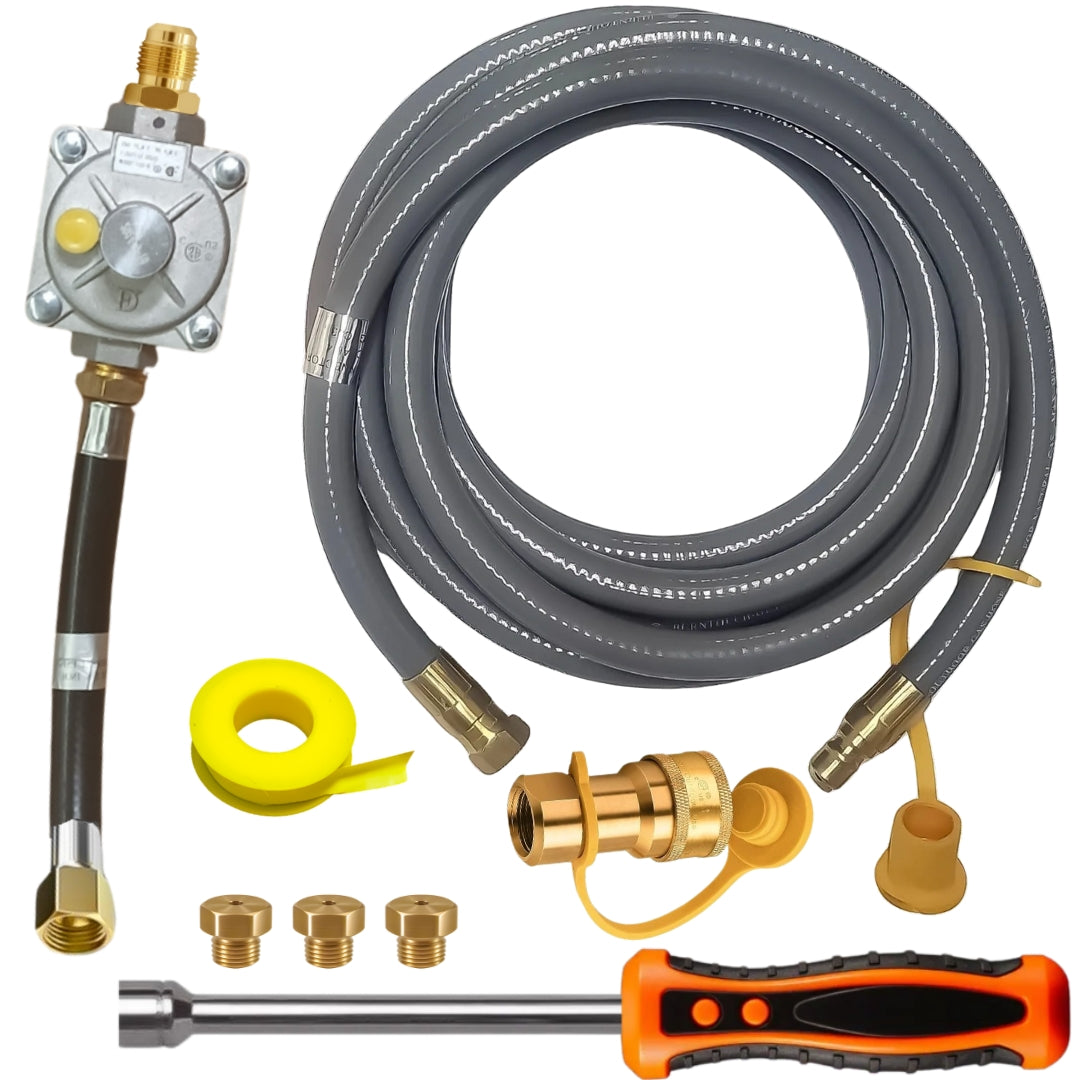
- Propane: Sold in tanks at hardware stores. Portable, easy to hook up.
- Natural gas: Connected to your home’s gas line. Never needs refilling, but the grill is not portable.
How Gas Grills Work
Burners under the grates provide heat. Many gas grills have “flavorizer” bars that catch drippings and turn them into smoke, adding a little flavor.
Pros And Cons
Gas grills are fast, easy, and clean. But some BBQ fans say they lack character. You can add a smoker box with wood chips to boost flavor.
Safety Tips
- Always check for leaks in hoses and connections.
- Keep propane tanks outside, away from heat.
- Let the grill cool before covering.
Pellet Grills: Combining Flavor And Ease
Pellet grills are growing in popularity. They use compressed wood pellets, giving the flavor of wood with the convenience of a gas grill.
How Pellet Grills Work
An electric auger feeds pellets into a fire pot. A fan spreads heat and smoke. You can set the temperature like an oven.
Types Of Pellets
Pellets come in many wood varieties. Some brands mix flavors for special blends.
Pros And Cons
Pros:
- Set-and-forget convenience
- Real wood smoke
- Great for low-and-slow BBQ
Cons:
- Needs electricity
- Pellets can be expensive
- Some grills struggle with very high temperatures
Common Beginner Mistake
Not all pellets are food-grade. Only buy pellets meant for grilling, as heating pellets can contain glues or chemicals.
Electric Grills: For Special Situations
Electric grills are great for people who can’t use gas or charcoal, like in apartments.
How Electric Grills Work
A heating element under the grill grate cooks the food. Some models let you add wood chips for a touch of smoke.
Pros And Cons
Pros:
- Use indoors or on balconies
- No open flame, so safer for kids and pets
- Easy to clean
Cons:
- Little to no smoke flavor
- Lower max temperature
- Needs a power outlet
Comparing Bbq Fuels: Cost, Availability, And Environmental Impact
Choosing fuel isn’t just about taste. Cost, availability, and how “green” a fuel is can also matter.
Cost Comparison
Here’s a look at typical costs for a backyard BBQ session:
| Fuel Type | Average Cost per Use | Long-term Cost |
|---|---|---|
| Lump Charcoal | $4–$6 | Moderate |
| Briquettes | $3–$5 | Low |
| Hardwood (Chunks) | $6–$10 | High |
| Propane (20 lb tank) | $3–$4 | Low |
| Natural Gas | $1–$2 | Very Low |
| Pellets | $4–$8 | Moderate |
| Electricity | $1–$2 | Very Low |
*Note: Prices depend on location and grill size.*
Environmental Impact
- Wood and charcoal: Release the most carbon and air pollution.
- Gas: Cleaner than charcoal, but still a fossil fuel.
- Pellets: Made from wood waste; better if sustainably sourced.
- Electric: Clean if your electricity comes from renewables.
Non-obvious insight: Even sustainable lump charcoal can be better for the environment if it’s made from scrap wood, not fresh trees.
Lighting And Managing Your Bbq Fuel
A great BBQ isn’t just about the fuel you choose—it’s also about how you use it. Many beginners struggle with lighting charcoal or wood. Here’s how to do it right.
Lighting Charcoal
- Chimney starter: Fill with charcoal, place newspaper underneath, and light. Wait 15-20 minutes until coals are ashy.
- Electric starter: Heat element sits in coals until they ignite.
- Never use lighter fluid if you want clean flavor.
Lighting Wood
- Build a small pile of kindling and wood chunks. Light the kindling first, then add larger pieces as the fire grows.
- Give wood time to burn down to coals before cooking.
Gas And Pellet Grills
- Open the lid before lighting to prevent gas buildup.
- Follow the manufacturer’s instructions for your grill.
Managing Temperature
- Charcoal and wood: Control airflow with vents. More air = hotter fire.
- Gas and electric: Adjust the knobs or dials.
- Pellet grills: Set the digital temperature and let the auger do the work.
Tip: Use a grill thermometer for best results.

Credit: www.amazon.com
Safety And Storage Tips
BBQ fuel can be dangerous if handled wrong. Here are key safety tips:
- Store charcoal, wood, and pellets in a dry place to prevent mold.
- Propane tanks should stay outside, upright, and away from heat.
- Never add lighter fluid to hot coals.
- Let ashes cool completely before disposing.
Avoiding Common Bbq Fuel Mistakes
Many people make small mistakes that ruin their BBQ. Here’s how to avoid them:
- Using too much fuel: Leads to flare-ups and burnt food.
- Not letting coals ash over: Raw charcoal or wood gives off bitter smoke.
- Mixing fuel types poorly: Don’t use treated wood with food.
- Relying on lighter fluid: Adds chemical taste.
- Ignoring fuel quality: Cheap pellets or charcoal can have fillers or chemicals.
Non-obvious insight: Old charcoal or damp wood won’t burn well and can make food taste bad. Always use fresh, dry fuel.
Advanced Tips: Mixing And Matching Fuels
Once you master the basics, you can start blending fuels for custom results.
- Charcoal + wood chunks: Gives steady heat and added smoke.
- Gas + smoker box: Add wood chips to a metal box on your gas grill for more flavor.
- Pellet blends: Try mixing hickory and apple pellets for a unique taste.
Health And Bbq Fuel
Some people worry about BBQ and cancer risk. Here’s what matters:
- Don’t cook over direct flames—burnt food can form harmful compounds.
- Use lean meats to reduce drippings and flare-ups.
- Clean your grill grates after each use.
According to the American Cancer Society, cooking with gas or electricity produces fewer chemicals than charcoal or wood, but all BBQ should be enjoyed in moderation.
Credit: www.infinibandta.org
Bbq Fuel For Different Grill Types
Kettle Grills
Best with charcoal or small wood chunks. Great for classic BBQ flavor.
Offset Smokers
Designed for wood logs or charcoal. Perfect for slow-smoking brisket or ribs.
Gas Grills
Use propane or natural gas. Add wood chips for extra smoke.
Kamado Grills
These ceramic grills use lump charcoal. They hold heat very well for long cooks.
Pellet Grills
Only use food-grade pellets. Great for set-and-forget BBQ.
Electric Grills
Just plug in and go. Best for quick, simple grilling with little smoke.

Storing And Handling Bbq Fuel
Proper storage keeps your fuel safe and ready to use.
- Charcoal and wood: Keep in a sealed bin or bag, away from moisture.
- Pellets: Store in a dry place; they absorb water fast.
- Propane tanks: Keep upright, outside, and away from direct sunlight.
- Electric grills: Unplug and keep cords dry.
Never use moldy or wet fuel—it can produce bad smoke or even make you sick.

Credit: www.vonhaus.com
Troubleshooting: When Your Bbq Fuel Fails
Sometimes things go wrong. Here’s what to do:
- Charcoal won’t light: It may be damp. Start with dry fuel or use a chimney starter.
- Wood smokes too much: Let it burn down to coals before cooking.
- Gas grill won’t start: Check the gas connection and igniter battery.
- Pellet grill won’t feed: Clean out any jams and keep pellets dry.
- Electric grill doesn’t heat: Check the power outlet and wiring.
Where To Buy Bbq Fuel
Most fuel types are sold at hardware stores, supermarkets, and online. For special woods or pellets, try BBQ specialty shops. Always read reviews to avoid low-quality or unsafe products.
For more details about grill safety and choosing fuels, check the Hearth, Patio & Barbecue Association.
Frequently Asked Questions
What Is The Best Bbq Fuel For Beginners?
For most beginners, charcoal briquettes or a gas grill are easiest. Briquettes are simple to use and give a smoky flavor, while gas grills are fast and easy to control.
Can I Mix Charcoal And Wood Together?
Yes, many pitmasters mix charcoal and wood chunks. Charcoal gives steady heat, while wood adds smoke flavor. Just avoid using treated or soft woods.
Is Grilling With Gas Healthier Than Charcoal?
Gas grilling produces fewer harmful chemicals and less smoke than charcoal. However, the biggest health risks come from overcooking or burning meat, not the fuel itself.
How Do I Store Bbq Fuel Safely?
Keep charcoal, wood, and pellets in a dry, sealed container. Store propane tanks outside and upright. Never keep fuel near open flames or high heat.
Why Does My Food Taste Bitter When I Grill With Charcoal?
Bitter flavor often comes from using too much charcoal, cooking over raw coals, or using lighter fluid. Always let coals ash over before cooking and avoid chemicals.
Grilling is a journey, and your choice of fuel is a big part of it. The best BBQ fuel is the one that fits your taste, lifestyle, and needs. Whether you love the ancient magic of wood smoke or the quick convenience of gas, understanding your options helps you create better food and better memories.
The next time you fire up your grill, you’ll know exactly what to use—and why. Happy grilling!