Grill Safety Tips: Essential Steps for a Safe BBQ Experience
Grilling brings people together. The smell of sizzling food, laughter, and fresh air can turn any meal into a celebration. But behind those good moments, grilling has real risks. Every year, thousands of grill-related fires cause injuries and property damage.
Yet, most accidents can be prevented with simple steps and clear knowledge. Whether you’re grilling on a small balcony or in a big backyard, safety should always come first. This guide shares practical, easy-to-follow tips that help you grill smarter and safer—so you can focus on enjoying the food and company.

Why Grill Safety Matters
Grill fires are more common than most people think. According to the National Fire Protection Association (NFPA), fire departments respond to nearly 9,000 grill fires each year in the US. These incidents result in about $120 million in property damage, hundreds of injuries, and sometimes deaths. Most accidents happen because of poor maintenance, wrong placement, or ignoring basic safety rules.
Grills use fire, gas, or electricity—all elements that can be dangerous if handled incorrectly. Children, pets, and even adults can get burned or injured. Food can also become unsafe if not cooked or handled properly. So, understanding grill safety is not just about preventing fires; it’s about protecting everyone around you.
Another often overlooked risk is carbon monoxide poisoning from grills used in closed areas. This gas is invisible and has no smell, but can be deadly within minutes. Even small grills can create enough carbon monoxide to harm people and pets if used indoors or in a garage.
Proper ventilation is key.
Grill accidents don’t just damage property—they can change lives. Burns are painful and often require medical attention. Food poisoning from undercooked meats can cause days of illness. Simple steps, like checking for leaks or cooking food thoroughly, can keep your family safe and healthy.
Choosing The Right Grill For Safety
Not every grill is the same. The type of grill you choose affects safety, ease of use, and even the flavor of your food. Here’s a quick look at the main types and their safety profiles:
| Grill Type | Fuel | Common Risks | Safety Features |
|---|---|---|---|
| Gas Grill | Propane/Natural Gas | Leaks, explosions, flare-ups | Auto shut-off, sturdy hoses |
| Charcoal Grill | Charcoal briquettes | Sparks, carbon monoxide, burns | Stable base, lid, vents |
| Electric Grill | Electricity | Electrical shorts, fire | Temperature control, insulated body |
Gas grills are popular for their convenience but can leak propane, which is highly flammable. Charcoal grills give smoky flavor but produce carbon monoxide—a gas that can be deadly in closed spaces. Electric grills are safest for indoor use, but need proper electrical outlets and care.
When buying a grill, look for:
- UL certification or similar safety marks
- Stable legs or base to prevent tipping
- Easy-to-clean surfaces
- Clear instructions
Avoid grills that look unstable, have unclear controls, or show signs of rust and damage. And never use indoor grills outside their intended purpose.
Some newer models come with extra safety features, like flame guards, temperature sensors, and child-lock controls. These make grilling safer, especially if you have young kids at home. If you plan to grill often, investing in these features is smart.
Also, consider the size of the grill. A large grill may be harder to control in a small space, while a compact grill may lack some safety features. Balance convenience with safety.
Setting Up Your Grill Safely
A safe grilling area is just as important as the grill itself. Before you start, check your surroundings.
Ideal Placement
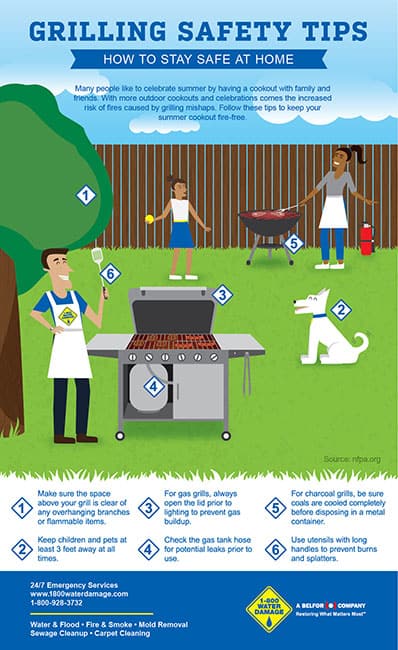
- Keep grills at least 10 feet away from your house, garage, or any structure.
- Avoid placing grills under overhangs, trees, or low roofs.
- Use a flat, stable surface—not grass or wooden decks that can catch fire.
Some people place grills on balconies or patios, but this can be risky. If you must grill in a smaller area, double-check building rules and local laws. Many apartment buildings have strict regulations for outdoor grilling. Never grill on a balcony with a low railing—flames can easily catch nearby items.
Preparing The Area
- Remove dry leaves, paper, and other flammable materials.
- Keep a fire extinguisher or bucket of sand nearby.
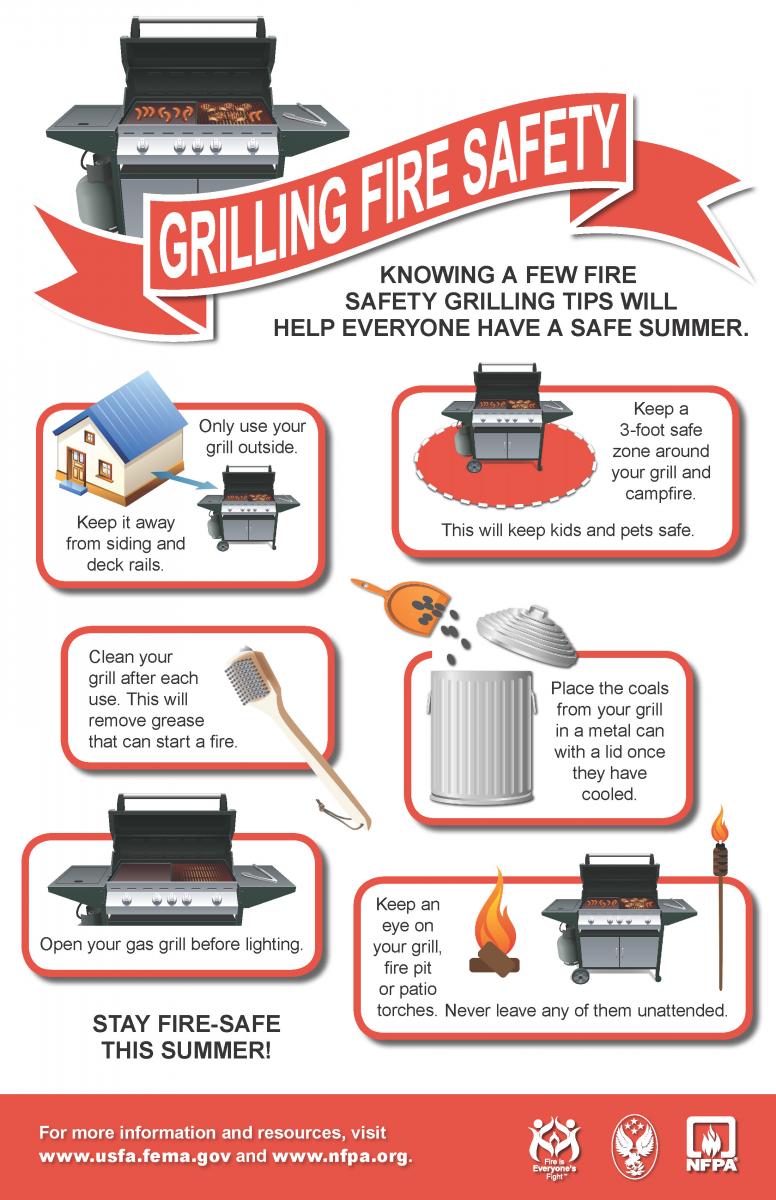
- Make sure children and pets stay at least 3 feet away.
A simple barrier, like a folding fence or rope, can help keep kids and pets safe. If you’re grilling in a public space, mark the area with cones or chairs to create a clear boundary. This helps guests know where it’s safe to stand.
Weather Considerations
Wind can blow flames or sparks, increasing risk. If it’s windy, set up wind barriers or postpone grilling. Rain can cause electrical hazards with electric grills or make charcoal grills harder to control.
If grilling in hot weather, remember that the grill itself can reach high temperatures quickly. Use shade if possible, and keep extra water nearby. In cold weather, slippery surfaces can make grills unstable—place the grill on dry, level ground.
Grill Maintenance And Inspection
A neglected grill is a dangerous grill. Regular maintenance keeps your equipment safe and extends its life.
Cleaning
- Scrub the grates before and after use to remove grease and food bits.
- Empty drip pans—grease buildup is a major cause of flare-ups.
- Use a grill brush with short, stiff bristles. Avoid wire brushes that shed bristles—they can stick to food and cause injuries.
Grease buildup is often missed. It can catch fire quickly, especially on gas grills. For charcoal grills, ash can block air vents, making it harder to control heat. Clean vents and grates carefully. If you use a smoker box, clean it too—leftover wood chips can ignite next time.
Inspection
- Check for gas leaks by applying soapy water to hoses and connections. Bubbles mean leaks.
- Inspect hoses and tanks for cracks, rust, or dents.
- Make sure charcoal grates are not warped or broken.
Look for loose bolts or screws. Tighten them if needed. Check the igniter button—if it sticks or fails, fix it before grilling. For electric grills, inspect cords for fraying or exposed wires.
Professional Servicing
For gas grills, annual professional servicing is recommended. Experts can spot issues like faulty regulators or valves that you might miss.
Getting a grill serviced may seem costly, but it prevents expensive accidents. Some shops offer safety checks for free or at a low cost during grilling season. Keep your receipts and records for warranty purposes.
Safe Fuel Handling
Fuel is the heart of your grill, but it’s also the source of many accidents. Handle with care.
Gas Grill Safety
- Always check the propane tank before use. If you smell gas or see bubbles in soapy water, turn off the gas and fix the leak.
- Never store extra tanks indoors or near heat sources.
- Turn off the gas supply after grilling.
When transporting propane tanks, keep them upright and secure. Never leave them in a hot car or near heaters. If a tank is rusty or damaged, replace it immediately. Don’t try to fix leaks yourself—seek professional help.
Charcoal Grill Safety
- Use starter fluid made for grills, never gasoline or kerosene.
- Store starter fluid away from children and heat.
- Dispose of ashes in a metal container after they cool down—hot ashes can start fires hours later.
If you use natural lump charcoal, avoid chemicals. Many beginners use too much starter fluid, thinking it helps. But excess fluid can cause dangerous flare-ups. Wait until coals are fully gray before adding food.
Electric Grill Safety
- Use only outdoor-rated extension cords.
- Keep cords away from water and walking areas.
- Unplug the grill when finished.
Inspect plugs for damage. If the grill trips your circuit breaker, stop use and check with an electrician. Never pull the cord to unplug—grasp the plug firmly.
Lighting The Grill Safely
Lighting a grill sounds simple, but mistakes here lead to burns and explosions.
Gas Grill Lighting
- Open the lid before lighting. Gas builds up under closed lids and can explode.
- Turn on the gas, then press the igniter. If it doesn’t light in a few tries, turn off the gas and wait a few minutes before trying again.
- Use long matches or lighters for manual ignition.
If your grill has multiple burners, light one at a time. Don’t stand directly over the grill when lighting. If you hear hissing or smell gas, stop and check for leaks.
Charcoal Grill Lighting
- Arrange charcoal in a pyramid shape for even lighting.
- Add starter fluid sparingly. Wait for it to soak in before lighting.
- Use long matches to avoid burns.
- Wait until charcoal turns gray before cooking.
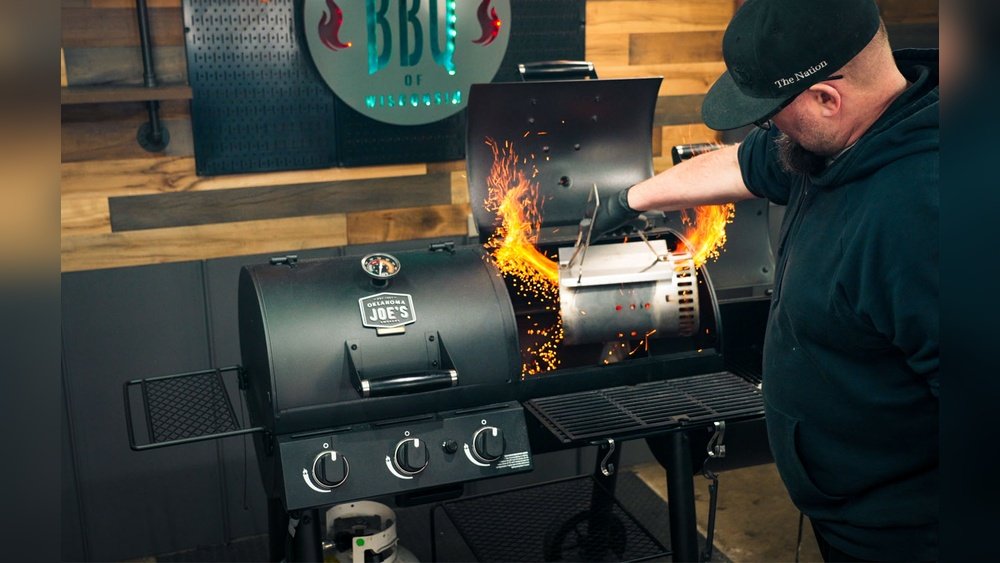
Try using a chimney starter—this tool lights charcoal without fluid, making it safer and cleaner. Avoid lighting charcoal in windy conditions; sparks can blow onto nearby objects.
Electric Grill Lighting
Just plug in and turn the knob. Wait for the grill to heat up fully before placing food.
Give the grill time to reach cooking temperature. Placing food too soon can cause sticking or uneven cooking.
Cooking Safely On The Grill
Once your grill is hot, safety isn’t just about fire—it’s also about food.
Preventing Flare-ups
- Trim excess fat from meat. Dripping fat causes flames.
- Keep the lid handy to smother sudden flames.
- Move food to cooler areas if flames start.
If you see flames, don’t spray water—it can spread grease fires. Instead, close the lid or move food away. Watch for smoke—heavy smoke means grease is burning. Clean grates if smoke is constant.
Food Safety
- Use a meat thermometer. Poultry should reach 165°F, beef 145°F, and fish 145°F.
- Never reuse plates or utensils that touched raw meat.
- Wash hands after handling raw food.
Always keep raw and cooked foods separate. If grilling vegetables, use different tools from meat. Store leftovers quickly—don’t leave cooked food outside for more than two hours.
Avoiding Burns
- Use long-handled tools to keep hands away from heat.
- Wear heat-resistant gloves.
- Keep sleeves and loose clothing away from the grill.
If grilling with friends, remind everyone to stay clear of the grill. Don’t reach over flames or hot surfaces. If you drop food, don’t grab it quickly—let it cool first.
After-grilling Safety
Cleaning up safely is just as important as cooking. Many fires start after grilling is finished.
Cooling Down
- Let charcoal cool completely before disposing. This can take up to 24 hours.
- Close gas valves and unplug electric grills.
If you need to dispose of charcoal sooner, pour water over it in the grill, but be careful—steam can cause burns. Always check ashes with a metal tool before moving.
Cleaning
- Remove grease and food scraps. Leftover grease is a fire risk.
- Cover the grill after cooling to protect from weather and animals.
Use a damp cloth to wipe down surfaces. Don’t use harsh chemicals near the cooking area. If your grill has removable parts, clean them separately.
Storing Equipment
- Store propane tanks outdoors, upright, and away from direct sunlight.
- Keep starter fluid in a cool, locked place.
- Clean and dry grilling tools before storing.
For small grills, remove parts and store them in a dry place. Check storage areas for pests—rodents can chew hoses or wires.
Grill Safety For Families And Groups
When grilling with family or friends, extra precautions help everyone stay safe.
Child Safety
- Set up a “kid-free zone” around the grill—at least 3 feet.
- Teach children not to touch or play near the grill.
- Never leave the grill unattended.
Give kids special activities away from the grill so they don’t wander close. Use colored tape to mark the safe zone. If you have toddlers, consider portable barriers.
Pet Safety
Pets are curious and can get burned. Keep them indoors or behind barriers during grilling.
For dogs, leashes or crates work well. For cats, keep windows closed if grilling outside. Birds and small animals should not be near grilling smoke.
Group Events
For large gatherings, assign one adult to be the “grill watcher. ” Make sure guests know where the grill is and to keep away.
If many people are present, use signs or announcements to remind everyone. Group grilling can be fun, but only if safety comes first.
Emergency Preparedness
Even with all precautions, accidents can happen. Being ready helps reduce harm.
Fire Response
- Keep a fire extinguisher rated for grease fires nearby.
- Know how to use it—pull the pin, aim at the base, squeeze, and sweep.
- If a fire spreads, call 911 immediately.
Practice using the extinguisher before you need it. Teach others in your family how to respond. If you don’t have an extinguisher, use sand or baking soda—never water.
First Aid
- For burns, rinse with cool water—not ice—and cover with a clean cloth.
- Keep a first-aid kit within reach.
- For gas leaks or suspected carbon monoxide, move everyone outdoors and call emergency services.
Check your kit for burn ointment and bandages. If someone is badly burned or has trouble breathing, seek medical help right away.
Safe Exit Routes
Always know how to quickly leave the area. Keep paths clear of chairs, toys, and other obstacles.
If grilling in a crowded space, plan exits ahead of time. Don’t block doors or gates with equipment.
Common Grill Safety Mistakes
Some mistakes happen again and again. Here are a few to avoid:
- Using grills indoors or in garages—carbon monoxide kills silently.
- Leaving grills unattended—even for a minute.
- Overloading the grill—too much fat drips and causes flare-ups.
- Using starter fluid after the grill is lit.
- Storing propane tanks in closed spaces.
Experienced grillers know: most accidents come from rushing or skipping steps. Take your time, follow each step, and enjoy safe grilling.
Another common mistake is ignoring weather. Wind and rain can change how grills work and increase risk. Many beginners forget to check local rules—some places ban grilling during dry seasons due to fire risk.
Comparing Grill Safety Features
Choosing a grill with good safety features makes a big difference. Here’s a comparison of what matters most:
| Feature | Gas Grill | Charcoal Grill | Electric Grill |
|---|---|---|---|
| Auto Shut-Off | Yes | No | Yes |
| Stable Base | Yes | Yes | Yes |
| Grease Tray | Yes | Sometimes | Yes |
| Heat-Resistant Handles | Yes | Yes | Yes |
| Temperature Control | Yes | No | Yes |
Look for features like auto shut-off and grease trays. They prevent fires and make cleaning easier.
Some high-end grills have sensors that shut off gas if a leak is detected. Others have built-in lights for night grilling. Safety labels and instructions are important—read them before use.
Seasonal Grill Safety Tips
Grilling habits change with the season. Each has unique risks.
Spring
- Check for winter damage, rust, or insects in the grill.
- Clean thoroughly before first use.
Inspect hoses and connections—cold weather can crack rubber. Open the lid to check for spiders or bees.
Summer
- Watch for dry grass or leaves—these catch fire easily.
- Stay hydrated and avoid grilling in extreme heat.
Heat can make grills hotter than expected. Use shade and check temperatures often. If grilling during drought, follow local fire rules.
Fall
- Falling leaves increase fire risk. Sweep the area before grilling.
- Shorter days mean less light—use portable lamps.
Cooler weather means coals cool slower. Monitor grill temperature and cover food to keep warm.
Winter
- Never grill in closed spaces to stay warm—carbon monoxide risk.
- Clear snow and ice from around the grill.
Wear gloves with grip. Cold can make metal parts brittle—handle gently.
Outdoor Vs. Indoor Grilling Safety
Grilling outdoors is common, but indoor grilling is growing in popularity. Each has its own rules.
Outdoor Grilling
- Never use grills in closed spaces.
- Wind and weather can affect safety.
- Always clean up after use.
Use heavy-duty covers to protect grills between uses. Outdoor grills need extra care in bad weather.
Indoor Grilling
- Only use electric grills meant for indoor use.
- Keep windows open for ventilation.
- Avoid grilling near curtains or flammable materials.
Indoor grills reduce fire risks, but not food safety risks. Always follow instructions.
Some indoor grills have smoke filters. Use them as directed. Never leave indoor grills plugged in when not in use.

Grill Safety For Apartments And Small Spaces
People living in apartments often want to grill, but safety rules are stricter.
- Check your building’s rules—some ban grills on balconies.
- Use electric grills for indoor grilling.
- Never store gas tanks indoors.
- Keep grills away from walls and railings.
Small spaces increase risk, so follow guidelines closely.
Some buildings offer shared grilling areas—use these if allowed. Always clean up after use so others stay safe.
Grill Safety For Camping And Travel
Grilling is part of camping, but outdoor locations have unique risks.
- Clear brush and leaves from the area.
- Use portable grills with stable legs.
- Never leave grills unattended.
- Extinguish coals fully before leaving.
For travel, check local rules—some parks ban certain grills.
Bring a small extinguisher or water bucket. If camping with kids, teach them to avoid grills and open fires. When hiking, pack out all ashes and trash.
Grill Safety For Beginners
If you’re new to grilling, start simple.
- Read the manual carefully.
- Practice lighting and turning off the grill before cooking.
- Cook small portions at first.
- Ask experienced grillers for advice.
Don’t rush. With practice, safety becomes second nature.
Try grilling vegetables or easy meats first. Watch videos or attend workshops for hands-on learning.
Advanced Grill Safety For Experienced Grillers
Even pros make mistakes. Here’s how to stay sharp:
- Upgrade to grills with advanced safety features.
- Install gas leak detectors.
- Use wireless meat thermometers for accuracy.
- Host safety workshops for friends and neighbors.
Experienced grillers can lead by example. Share your knowledge.
Consider teaching kids basic grill safety as they grow older. Keep records of grill maintenance and repairs.

Credit: merrimacfire.org
Grill Safety Myths
Many safety myths circulate. Here are a few:
- “Charcoal grills are safer than gas grills.” Not true—each has different risks.
- “It’s safe to grill in the garage if the door is open.” Carbon monoxide still builds up.
- “Starter fluid makes grilling easier.” Only if used correctly.
- “Kids can help grill safely.” Only under close supervision.
Don’t trust myths—follow proven guidelines.
Some people think a clean grill won’t catch fire—grease can build up fast, so clean often.
Real-life Grill Accident Examples
Learning from real incidents helps prevent future mistakes.
- A family grilled indoors during winter to stay warm. Carbon monoxide built up, causing illness.
- Someone added starter fluid to hot coals—flames erupted, causing burns.
- A grill was left unattended at a party. Children played near it, leading to burns.
- A propane tank was stored in the basement. It leaked, creating an explosion risk.
These examples show: most accidents happen when basic rules are ignored.
In another case, a grill tipped over because the ground was uneven, causing a fire. Always check stability.
Credit: www.easthartfordct.gov
Grill Safety Tips For Different Foods
Different foods require different safety approaches.
- Chicken: Must reach 165°F. Undercooked poultry can cause illness.
- Steak: Cook to 145°F minimum. Use a thermometer.
- Vegetables: Use grill baskets to avoid dropping into flames.
- Fish: Cook to 145°F. Place on foil to prevent sticking.
Never guess cooking times. Use thermometers for accuracy.
For burgers, check the center before serving—pink meat means it’s not safe yet. For kebabs, rotate often for even cooking.
Grill Safety And Environmental Impact
Grilling affects the environment. Make safe choices.
- Use natural charcoal—less chemical pollution.
- Dispose of ashes and grease responsibly.
- Avoid disposable grills—most are unsafe and polluting.
Environmental safety is part of overall grill safety.
Recycle used charcoal if allowed. Don’t dump grease or ashes in drains—this pollutes water and harms wildlife.
Credit: www.1800waterdamage.com
Grill Safety For Special Occasions
Celebrations bring extra risks.
- Assign a “grill master” to manage safety.
- Keep guests away from the grill.
- Check equipment before big events.
A few extra steps prevent accidents when excitement runs high.
For holidays, decorate away from the grill. Keep fireworks and sparklers far from cooking areas.
Grill Safety Checklist
Before, during, and after grilling, follow this checklist:
- Check grill for damage and leaks.
- Set up in a safe area.
- Keep fire extinguisher nearby.
- Use long-handled tools.
- Monitor the grill at all times.
- Dispose of ashes safely.
- Clean thoroughly.
- Store equipment properly.
This simple list helps you stay safe every time.
Review the checklist before each barbecue. Teach others in your family to follow it, too.
Grill Safety Statistics
Data shows the importance of grill safety:
- NFPA: 9,000 grill fires yearly in the US.
- Fire departments: Respond to grill fires every 36 minutes during summer.
- Property damage: $120 million annually.
- Injuries: Over 100 deaths and 600 injuries per year.
Grill safety isn’t just advice—it’s backed by real numbers.
Most fires happen between May and August. Gas grills cause more fires than charcoal. Nearly half of injuries are burns.
Extra Insights Most Beginners Miss
Many people overlook the following:
- Grease traps: Fill quickly and cause fires. Empty them often.
- Wire brush bristles: Can stick to food and injure people. Check brushes after use.
- Leftover heat: Charcoal and gas grills stay hot for hours. Don’t touch or move them until fully cool.
Small details can prevent big accidents.
Also, check the grill lid for rust or holes. Damaged lids can leak heat or flames. If grilling at night, use good lighting to avoid mistakes.
Grill Safety Resources
For more information, check out NFPA Grilling Safety. They provide detailed guidelines and updated statistics.

Frequently Asked Questions
What Is The Safest Type Of Grill?
Electric grills are safest, especially for indoor use. They don’t use open flames or gas, reducing fire and explosion risks. Gas and charcoal grills are safe if used outdoors with proper precautions.
How Can I Prevent Grill Fires?
Keep the grill clean, remove grease buildup, use proper fuel, and never leave the grill unattended. Always keep a fire extinguisher nearby and set up the grill away from flammable materials.
Can Grills Be Used Indoors?
Only electric grills designed for indoor use are safe. Never use gas or charcoal grills inside homes, garages, or tents—carbon monoxide and fire risks are high.
What Should I Do If I Smell Gas Near My Grill?
Turn off the gas supply immediately. Move everyone away from the area. Check for leaks using soapy water. If the leak is serious, call emergency services and do not use the grill until fixed.
How Do I Safely Dispose Of Charcoal Ashes?
Let ashes cool for at least 24 hours. Place them in a metal container, not plastic or paper. Keep the container away from buildings and trash until fully cool.
Grilling can be safe, fun, and delicious when you follow the right steps. Stay alert, respect the risks, and enjoy every meal knowing you’ve protected yourself and your loved ones. Good grill safety is the best ingredient for any barbecue.