Rib Rubs: Ultimate Guide to Mouthwatering BBQ Flavors
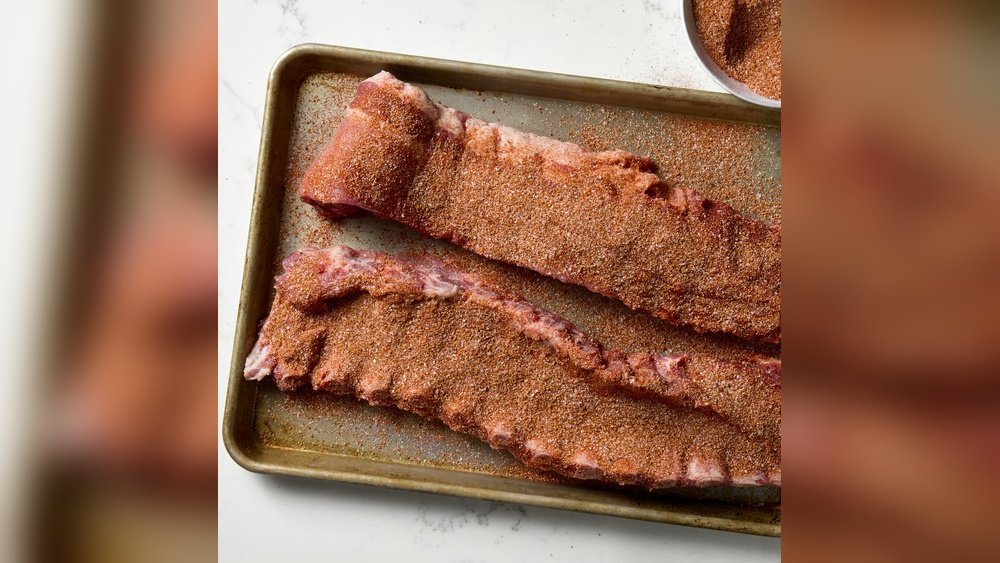

Ribs are more than just a meal—they’re a celebration of flavor, tradition, and creativity. Whether you’re a backyard grill master or a home cook eager to impress, the right rib rub can change everything. A rib rub is a blend of spices and seasonings that coats the meat, creating a crust full of taste and aroma. It’s the secret behind juicy, tender, and mouth-watering ribs. But picking or making the best rub isn’t always simple. With so many choices, techniques, and personal tastes, it’s easy to feel lost. This guide will help you understand rib rubs fully, from basics to advanced ideas, so you can create ribs that stand out.
What Is A Rib Rub?
A rib rub is a mix of spices, herbs, salt, and sometimes sugar, used to flavor ribs before cooking. The rub forms a crust on the meat as it cooks, locking in juices and adding layers of taste. Rubs can be dry (just powders and granules) or wet (with added liquids like oil or mustard).
Dry Vs. Wet Rib Rubs
- Dry rubs: Simple blends of spices, herbs, salt, and sugar. They stick to the meat, creating a flavorful bark.
- Wet rubs: Dry rubs mixed with liquids like oil, vinegar, or mustard. They can help ingredients stick and add extra moisture.
Most people use dry rubs for ribs, but wet rubs are popular in some regions. Each style gives different results—dry rubs often produce a crisp crust, while wet rubs can create a softer, saucier layer.
Why Use A Rib Rub?
Rib rubs add taste, color, and texture. They help:
- Enhance flavor: Spices and herbs bring out the natural taste of meat.
- Create a crust: The rub forms a tasty bark on ribs.
- Tenderize: Some rubs include salt or acidic ingredients to help soften meat.
- Balance sweet and savory: Sugar, salt, and spices work together for a complex taste.
The Science Behind Rib Rubs
Understanding how rib rubs work helps you craft better recipes. When ribs cook, the rub’s sugar and salt draw moisture from the surface. This helps the meat brown and creates a crust. Spices penetrate the outer layers, giving aroma and flavor.
Key Factors
- Salt: Draws moisture, helps flavors absorb, and tenderizes.
- Sugar: Adds sweetness, aids browning, but can burn if cooked at high heat.
- Spices and herbs: Provide depth and complexity. Chili powder, paprika, garlic, and onion are common.
How Rubs Affect Cooking
Rub ingredients react with heat. Sugar caramelizes, salt draws out juices, and spices release oils. This combination creates the famous rib crust and deep taste.
Essential Ingredients For Rib Rubs
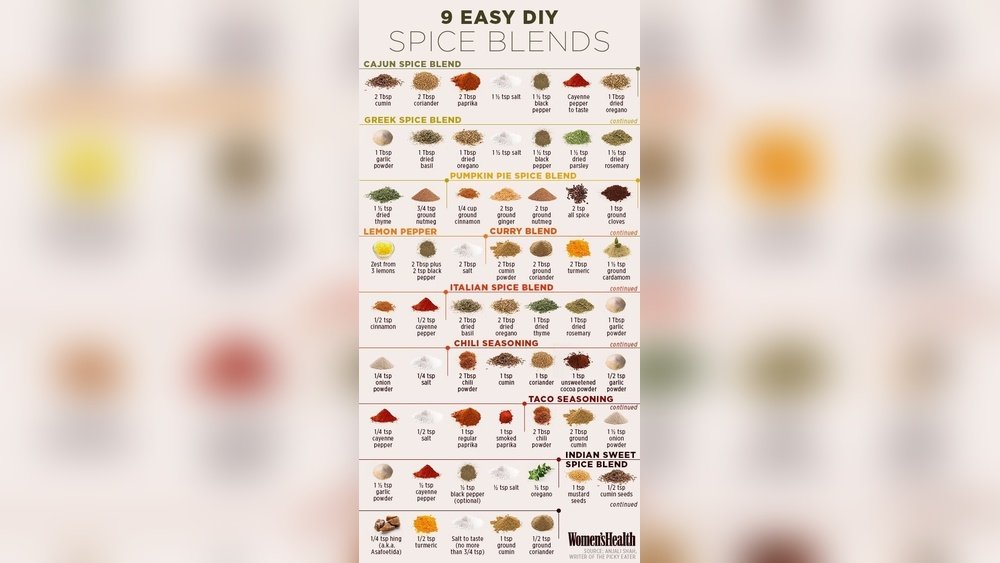
Most rib rubs use simple, everyday ingredients. Here are the most common:
- Salt: Table salt, kosher salt, or sea salt.
- Sugar: Brown sugar is popular for its molasses flavor, but white sugar works too.
- Paprika: Adds color and mild heat.
- Black pepper: Sharp and spicy.
- Garlic powder: Rich, savory flavor.
- Onion powder: Sweet and earthy.
- Chili powder: Adds warmth and depth.
- Cayenne pepper: For heat.
- Mustard powder: Tangy kick.
- Dried herbs: Oregano, thyme, rosemary.
Some rubs include extra flavors like cumin, coriander, cinnamon, or coffee for unique twists.
Ingredient Comparison
Here’s a quick look at how common rib rub ingredients affect flavor and texture:
| Ingredient | Flavor Profile | Effect on Ribs |
|---|---|---|
| Salt | Salty, savory | Tenderizes, enhances taste |
| Brown Sugar | Sweet, rich | Caramelizes, adds crust |
| Paprika | Mild, smoky | Colors, adds mild heat |
| Garlic Powder | Earthy, pungent | Boosts savory notes |
| Cayenne | Spicy, hot | Heats, adds punch |
| Mustard Powder | Tangy | Sharpens flavor |
Types Of Rib Rubs
Rib rubs reflect different cultures and regional tastes. Here are some popular types:
1. Classic American Bbq Rub
- Sweet, smoky, and balanced.
- Main ingredients: Brown sugar, paprika, garlic powder, onion powder, salt, pepper.
2. Texas-style Rub
- Simple, bold, and peppery.
- Main ingredients: Salt, black pepper, cayenne, garlic powder.
3. Memphis Rub
- Spicy and tangy, often with less sugar.
- Main ingredients: Paprika, chili powder, black pepper, cumin.
4. Kansas City Rub
- Heavy on sweetness and spice.
- Main ingredients: Brown sugar, chili powder, mustard powder, celery salt.
5. Asian-inspired Rub
- Savory, aromatic, with sesame and ginger.
- Main ingredients: Soy powder, ginger, garlic, five spice, sesame seeds.
6. Mediterranean Rub
- Herbal and fresh.
- Main ingredients: Oregano, thyme, rosemary, lemon zest.
7. Caribbean Rub
- Hot and fragrant.
- Main ingredients: Allspice, cinnamon, nutmeg, scotch bonnet pepper.
Rub Comparison
| Rub Type | Main Flavor | Typical Ingredients |
|---|---|---|
| Classic American BBQ | Sweet, smoky | Brown sugar, paprika |
| Texas-Style | Bold, peppery | Black pepper, salt |
| Memphis | Spicy, tangy | Paprika, chili powder |
| Kansas City | Sweet, spicy | Brown sugar, mustard powder |
| Asian-Inspired | Umami, aromatic | Ginger, sesame |
| Mediterranean | Herbal, citrus | Oregano, lemon zest |
| Caribbean | Hot, fragrant | Allspice, scotch bonnet |

Credit: www.thekitchn.com
Making Your Own Rib Rub
Making a rib rub at home is easy and lets you control flavors. Start with a base, then adjust to your taste.
Basic Rib Rub Recipe
Ingredients (for 2 racks of ribs):
- 1/4 cup brown sugar
- 2 tablespoons paprika
- 1 tablespoon salt
- 1 tablespoon black pepper
- 1 tablespoon garlic powder
- 1 tablespoon onion powder
- 1 teaspoon chili powder
- 1/2 teaspoon cayenne pepper
Instructions:
- Mix all ingredients in a bowl.
- Break up clumps with a fork.
- Taste and adjust—add more sugar for sweetness, cayenne for heat.
- Store in an airtight container.
Tips For Customizing
- Want more heat? Add extra cayenne or chili powder.
- Prefer herbal notes? Mix in dried thyme, rosemary, or oregano.
- Like a smoky flavor? Use smoked paprika.
Non-obvious insight: Try grinding your own spices for fresher, stronger flavor. Also, a pinch of ground coffee or cocoa can add richness without overpowering.
Storing Homemade Rub
Keep your rib rub in a cool, dry place. It lasts up to 6 months if sealed tightly. Avoid moisture—wet rubs spoil faster.
Applying A Rib Rub: Step-by-step
Getting the rub onto ribs is as important as the mix itself. Here’s how to do it:
- Remove the membrane: Peel the thin silver skin from the back of ribs. This helps rub stick and ribs cook evenly.
- Pat ribs dry: Use paper towels. Dry meat absorbs rub better.
- Apply binder (optional): Some people brush ribs with mustard or oil. This helps rub stick but doesn’t change taste much.
- Sprinkle rub: Cover ribs evenly. Don’t pile it on too thick—about 2 tablespoons per rack is good.
- Massage the rub: Press rub in gently. Don’t rub too hard or you’ll tear meat.
- Rest: Let ribs sit for 15–30 minutes before cooking. This helps flavors absorb.
Non-obvious insight: For deeper flavor, let rubbed ribs rest in the fridge overnight, wrapped tightly. The rub penetrates better.
Common Mistakes When Applying Rib Rubs
- Using too much rub—can mask meat flavor or make ribs too salty.
- Skipping the membrane removal—leaves ribs chewy.
- Not letting rub rest—reduces flavor absorption.
- Using wet ribs—rub won’t stick well.
Cooking Ribs With Rubs
The way you cook ribs affects how the rub tastes and feels. Here are popular methods:
1. Smoking
- Low and slow (225–250°F).
- Wood smoke adds extra flavor.
- Rub forms a deep, crispy bark.
2. Grilling
- Medium heat (350°F).
- Faster cooking, more direct heat.
- Rub caramelizes quickly.
3. Oven Baking
- Easy for home cooks.
- Set oven to 275–300°F.
- Wrap ribs in foil for tenderness, then finish uncovered for crust.
4. Slow Cooker
- Rubbed ribs go in with a splash of liquid.
- No crust, but the flavor is still strong.
Tip: Watch sugar content—high heat can burn sugary rubs.
Cooking Time Comparison
| Method | Temperature | Time | Rub Effect |
|---|---|---|---|
| Smoking | 225–250°F | 5–6 hours | Deep bark, smoky flavor |
| Grilling | 350°F | 1.5–2 hours | Quick crust, caramelized |
| Oven Baking | 275–300°F | 2.5–3 hours | Balanced, tender crust |
| Slow Cooker | Low | 5–7 hours | Soft, no crust |
Buying Pre-made Rib Rubs
If you don’t want to mix your own, many good pre-made rubs are available. These save time and are often made by barbecue experts.
What To Look For
- Ingredient list: Avoid too many artificial additives.
- Flavor profile: Pick sweet, spicy, or herbal based on your taste.
- Brand reputation: Look for trusted names.
- Price: Good rubs aren’t always expensive.
Comparing Popular Brands
Here’s a quick comparison of three well-known rib rub brands:
| Brand | Flavor | Price (per 10oz) | Notes |
|---|---|---|---|
| McCormick Grill Mates | Sweet, smoky | $5.99 | Widely available |
| Bad Byron’s Butt Rub | Spicy, savory | $7.99 | Popular in competitions |
| Plowboys Yardbird | Balanced, peppery | $8.49 | Great for chicken and ribs |
Common mistake: Some buyers choose rubs with too much salt or MSG—taste can be harsh and overpowering. Always check the label.
How To Use Store-bought Rubs
Follow the same steps as homemade rubs. Adjust quantity based on saltiness. Some commercial rubs are stronger, so taste before adding extra.
Advanced Rib Rub Techniques
Experienced barbecue cooks use tricks to get the best results. Here are a few:
Layering Rubs
Use two rubs—a base layer for salt and savory, and a top layer for sweet and spice. This builds complex flavor.
Adding Liquid
Spritz ribs with apple juice or vinegar while cooking. This keeps meat moist and helps rub stick.
Combining Rub And Sauce
Some cooks add sauce at the end, after the rub has formed a crust. Sauce adds moisture and extra flavor.
Using Rubs With Different Rib Types
- Pork ribs: Sweet and smoky rubs work well.
- Beef ribs: Try bold, peppery rubs with less sugar.
- Lamb ribs: Herbal rubs with rosemary and garlic.
Non-obvious insight: Try finishing ribs with a quick high-heat blast to caramelize rub without burning it. This technique creates an appealing crust.
Health And Nutrition Facts
Rib rubs can add calories, sodium, and sugar. Here’s what to know:
- Salt: Too much can raise sodium intake—watch for high-salt rubs.
- Sugar: Adds calories; balance with savory ingredients.
- Spices: Most are low-calorie and healthy, but some blends have additives.
Example: A typical tablespoon of rib rub has about 40–60 calories, mostly from sugar. Commercial rubs can have double the sodium of homemade blends.
Making Healthier Rib Rubs
- Use less salt and sugar.
- Add more herbs and spices for flavor.
- Try smoked paprika for taste without extra calories.
- Avoid MSG and artificial colors.
:max_bytes(150000):strip_icc()/14556-Dry-Rub-For-Ribs-4x3-1453-a2127e26881e4ae68e72cbad91a447eb.jpg)
Credit: www.allrecipes.com
Regional And Cultural Rib Rub Traditions
Rib rubs reflect local tastes and traditions. Here are some unique regional styles:
American South
- Heavy use of brown sugar, paprika, and chili.
- Sweet and smoky, often paired with hickory smoke.
Texas
- Simple: Salt, pepper, cayenne.
- Bold and beefy, no sugar.
Caribbean
- Jerk rubs with allspice, cinnamon, hot peppers.
- Fragrant and spicy.
Asian
- Soy, ginger, garlic, five spice.
- Savory and aromatic.
Mediterranean
- Herbs, lemon zest, garlic.
- Fresh and light, sometimes used on lamb ribs.
Non-obvious insight: Regional rubs often match local wood used for smoking—pecan, hickory, mesquite, or fruit woods.
Rib Rubs For Different Diets
Rib rubs can be adapted for many diets:
- Gluten-free: Use pure spices, avoid mixes with flour.
- Low-sodium: Reduce salt, boost herbs.
- Sugar-free: Skip sugar, use smoked paprika or stevia.
- Vegan: Rubs work for tofu, jackfruit, or grilled vegetables.
Tip: Always check ingredient labels if you have allergies.
Pairing Rib Rubs With Sides And Sauces
The flavor of your rib rub should match your sides and sauces. Here are some pairing ideas:
Sweet Rubs
- Pair with tangy slaw, pickles, and vinegar-based sauces.
Spicy Rubs
- Serve with creamy potato salad or cooling yogurt sauces.
Herbal Rubs
- Match with grilled vegetables and lemony dressings.
Sauces
- Use light glazes for strong rubs, or bold sauces for mild rubs.
Non-obvious insight: Use leftover rib rub to season fries, vegetables, or popcorn for a flavor boost.
Rib Rubs In Competition Bbq
Barbecue competitions are famous for strict rub recipes. Many champions have secret blends, but some trends are clear:
- Balanced sweet, salt, and spice.
- Layered flavors—base rub, spritzes, and finishing dust.
- Rubs tested for both taste and appearance.
Statistic: The Kansas City Barbeque Society has over 500 annual contests, and winning rub recipes often change each year.
:max_bytes(150000):strip_icc()/__opt__aboutcom__coeus__resources__content_migration__serious_eats__seriouseats.com__recipes__images__2012__09__20120922-rib-rub-fdcb5763aca94fc4a0387ad442db8564.jpg)
Credit: www.seriouseats.com
Rib Rubs And Food Safety
Safe handling is important when applying rubs. Here’s how:
- Use clean hands and tools.
- Don’t reuse rub that has touched raw meat.
- Store leftover rub separately.
- Cook ribs to safe temperature (at least 145°F for pork, 160°F for beef).
Popular Rib Rub Myths
Many myths surround rib rubs:
- “More rub equals more flavor.” In fact, too much rub can overpower meat.
- “Sugar burns and ruins ribs.” Sugar only burns at high heat—keep temps low and it caramelizes.
- “Wet rubs aren’t real rubs.” Wet rubs are common and tasty in many cultures.
- “You must use mustard as a binder.” Mustard is optional—oil or nothing is fine.
- “Only pork ribs need rubs.” Beef, lamb, and even plant-based ribs benefit from rubs.
Rib Rubs For Beginners: Quick Tips
- Start with a simple recipe—don’t overcomplicate.
- Taste your rub before using—adjust salt and heat.
- Use fresh spices for best flavor.
- Don’t rush—let rub sit on ribs for 30 minutes or more.
- Watch cooking temperature, especially with sugary rubs.
Advanced: Creating Your Signature Rib Rub
If you want to stand out, create your own blend:
- Pick a base: Salt, pepper, paprika.
- Add sweet or savory: Brown sugar, garlic, onion.
- Choose a heat level: Chili, cayenne, black pepper.
- Include a twist: Coffee, cocoa, citrus zest.
- Experiment with ratios—record your favorites.
- Test on small rib batches.
Non-obvious insight: Small changes—like switching from regular to smoked paprika—can completely change your rub’s flavor.
Storing And Using Leftover Rib Rub
Leftover rub is useful. Here’s how to store and use it:
- Keep in airtight jars, away from light.
- Use to season chicken, steak, potatoes, or vegetables.
- Sprinkle on eggs, popcorn, or salad for extra taste.
Tip: Label jars with date and recipe—so you can repeat your favorite blends.
Rib Rubs And Alcohol Pairings
Certain drinks go well with ribs:
- Sweet rubs: Pair with light beer or cider.
- Spicy rubs: Try hoppy IPAs or cold lager.
- Herbal rubs: Match with white wine or gin cocktails.
Non-obvious insight: A splash of bourbon in a rub adds depth—just use sparingly.
The Future Of Rib Rubs
Trends in rib rubs are changing:
- More global flavors—Asian, Mediterranean, Latin rubs.
- Healthier blends—less salt, sugar, more herbs.
- Eco-friendly packaging.
- Custom rubs for plant-based meats.
Statistic: Sales of spice blends grew by 7% in the US last year, as more people cook at home.
Frequently Asked Questions
What Makes A Rib Rub Different From A Marinade?
A rib rub is dry or semi-dry, mainly spices and herbs. A marinade is liquid, often with acid (like vinegar or lemon juice) to tenderize. Rubs create a crust, while marinades soak deeper into meat.
Can I Use Rib Rubs On Other Meats?
Yes! Rubs work on chicken, beef, lamb, and even fish or vegetables. Adjust flavors for each meat—beef likes peppery rubs, chicken can handle sweet or herbal.
How Long Should I Let The Rub Sit On Ribs Before Cooking?
Let the rub rest on ribs at least 30 minutes. For deeper flavor, rest in the fridge overnight. This gives spices time to absorb.
Are Store-bought Rib Rubs As Good As Homemade?
Store-bought rubs are convenient and often tasty, but homemade rubs let you control salt, sugar, and spice. Homemade is fresher and can be healthier.
What Is The Best Way To Store Rib Rubs?
Keep rib rubs in airtight containers away from heat and moisture. Glass jars or sealed bags are best. Homemade rubs last up to 6 months if stored properly.
Rib rubs are the heart of great barbecue. They transform plain ribs into something special—full of flavor, texture, and aroma. Whether you choose a classic sweet rub or invent your own spicy blend, remember that the best rub is the one that suits your taste and style. Experiment, learn, and share your creations. With the right rub, every rib meal becomes a celebration. For more inspiration and detailed rib rub recipes, check out the National Barbecue Association.
Enjoy your next rib adventure—and don’t be afraid to try new flavors and techniques. Great ribs start with a great rub.