Temperature Control Fans: Stay Cool with Smart Home Solutions
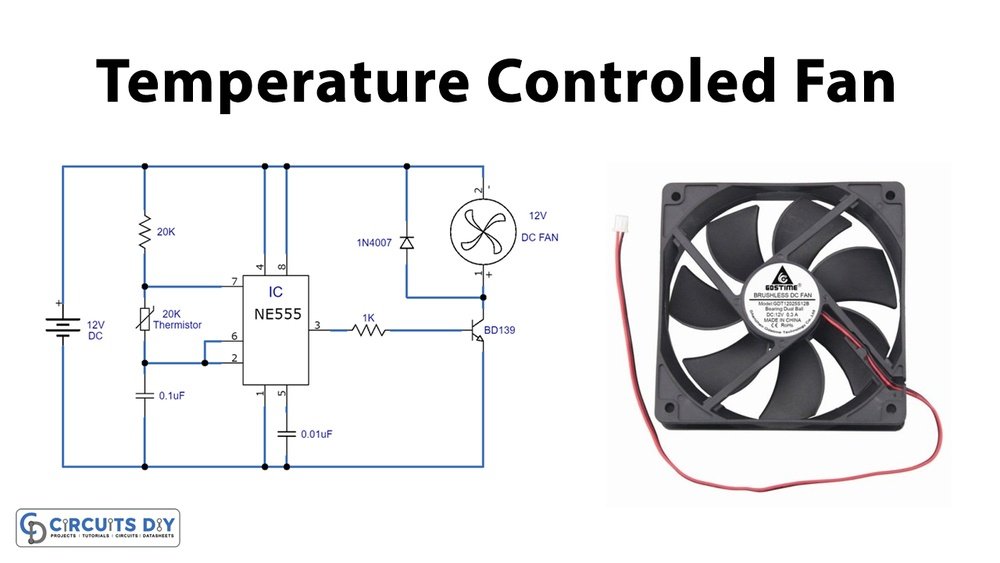
Controlling temperature is essential for comfort, safety, and efficiency in many places. At home, in offices, factories, or data centers, keeping the air at the right temperature can impact health, energy costs, and even the performance of machines. Temperature control fans are smart tools that help solve this problem. They adjust air movement to keep spaces cool or warm, based on real-time needs. These fans have become popular as technology improves and people look for smarter ways to manage their indoor environment.
This article will guide you through everything about temperature control fans. You’ll learn how they work, where they’re used, what features to look for, and how they compare to regular fans. We’ll discuss practical tips for choosing the right model, common mistakes, and even some advanced uses for specific industries.
Whether you want better comfort at home or need reliable cooling for your business, understanding temperature control fans can help you make smarter decisions.
What Are Temperature Control Fans?
Temperature control fans are devices that automatically adjust their speed or power based on the temperature of a room or area. Unlike regular fans, which run at a fixed speed, these fans use sensors to measure air temperature. If the room gets warmer, the fan speeds up to move more air and cool things down.
If the room cools off, the fan slows down or stops to save energy.
Most models have a built-in thermostat or connect to a control system. The thermostat reads the temperature and sends signals to the fan. Some fans even link to a smart home system and can be controlled by your phone or voice assistant. The main goal is to keep the temperature steady without manual adjustment.
Common Types Of Temperature Control Fans
There are several types, each designed for different spaces:
- Standalone fans – Often used in homes, these have a built-in sensor and control panel. They are easy to move and set up.
- Inline duct fans – Installed inside ventilation ducts. Used in HVAC systems for better air distribution.
- Ceiling fans with temperature sensors – These can adjust speed automatically and are popular in larger rooms.
- Industrial fans – Designed for factories or warehouses. They handle bigger spaces and tougher conditions.
The right type depends on your needs. For home use, standalone or ceiling fans are common. For larger buildings or specialized spaces, inline or industrial fans are better.
How Temperature Control Fans Work
The technology behind temperature control fans is simple but powerful. Sensors measure the air temperature. The fan’s controller compares this reading to a set target (like 72°F). If the room is hotter than the target, the controller turns the fan on or increases the speed. If the room is cooler, the fan slows down or shuts off.
Some fans use digital sensors for more accurate readings. Others use mechanical thermostats, which are less precise but more affordable. The fan’s motor is designed to handle variable speed, which means it can adjust smoothly without wearing out.
Control Methods
- Manual control – Some fans let you set the target temperature and adjust settings on a control panel.
- Remote or app-based control – Many modern fans connect to Wi-Fi. You can change settings from your phone.
- Integration with smart systems – Some fans work with smart home platforms like Alexa or Google Home. You can use voice commands or automate actions.
Example: How A Ceiling Fan With Temperature Control Works
Imagine a ceiling fan in your living room. You set the target temperature to 75°F. As the day warms up, the sensor detects the rising temperature. The fan speeds up to cool the room. If the temperature drops at night, the fan slows down or turns off.
You don’t need to adjust anything—the system works automatically.
Benefits Of Temperature Control Fans
Temperature control fans offer several clear benefits compared to regular fans.
Energy Efficiency
By adjusting speed only when needed, these fans save electricity. This can reduce your energy bill by up to 30% compared to always-on fans. In large buildings, the savings are even higher.
Comfort
Automatic adjustment keeps the temperature stable. You avoid sudden cold drafts or hot spots. This is important for homes, offices, and places where people work or relax.
Safety
In places like server rooms or factories, keeping machines cool is essential. Overheating can cause damage or even fires. Temperature control fans react quickly to changes and help prevent accidents.
Longer Fan Life
Variable speed motors last longer. Running only when needed reduces wear and tear. This means fewer repairs and replacements.
Quiet Operation
Fans running at lower speeds are quieter. You get good air movement without disturbing noise.
Key Features To Look For
Choosing the right temperature control fan means understanding what features matter most. Here are important factors to consider:
Sensor Accuracy
Fans with digital sensors measure temperature more precisely. This means better control and fewer errors. Cheap fans may use simple mechanical sensors that aren’t as reliable.
Variable Speed Control
Look for fans with multiple speed settings or fully variable speed motors. More control means smoother operation and better comfort.
Connectivity
If you want remote control, check for Wi-Fi or Bluetooth support. Some fans let you connect to smart home systems for easy automation.
Build Quality
Fans made from durable materials last longer. In industrial settings, choose fans with metal blades and strong motors.
Noise Level
Check the decibel rating. Quieter fans are better for bedrooms and offices.
Safety Features
Some fans have automatic shutoff if they overheat or if there’s a power surge. This is important in sensitive environments.
Energy Rating
Look for fans with an Energy Star label or similar rating. These models use less electricity.
Warranty
A good warranty protects your investment. Most quality fans offer at least a 1-year warranty.
Where Are Temperature Control Fans Used?
Temperature control fans are used in many places. Let’s look at some common and some less obvious applications.
Homes
In houses and apartments, these fans improve comfort and save energy. They’re often used in living rooms, bedrooms, and kitchens.
Offices
In office buildings, temperature control fans help keep people comfortable and support HVAC systems. They can also prevent computers and other equipment from overheating.
Data Centers
Server rooms and data centers need precise temperature control. Overheating can damage hardware. Temperature control fans are critical in these spaces.
Factories And Warehouses
Large spaces get hot or cold quickly. Fans help protect workers and machinery.
Greenhouses
Plants need stable temperatures. Fans with sensors keep air moving without sudden changes.
Hospitals And Labs
Sensitive equipment and medicines require strict temperature control. Fans help maintain safe conditions.
Automotive
Some cars use temperature control fans for interior comfort or to cool engine parts.
Animal Shelters
Keeping animals comfortable and safe means controlling air temperature. Fans help prevent heat stress.
Not-so-obvious Uses
- Museums – Protecting artwork or artifacts from temperature swings.
- Libraries – Keeping books and documents in good condition.
- Restaurants – For food safety and customer comfort.
Comparing Temperature Control Fans Vs. Regular Fans
Many people wonder if temperature control fans are worth the extra cost. Here’s a detailed comparison between the two:
| Feature | Temperature Control Fans | Regular Fans |
|---|---|---|
| Speed Adjustment | Automatic, based on temperature | Manual, fixed settings |
| Energy Use | Lower, only runs as needed | Higher, often runs continuously |
| Comfort | Stable temperature, fewer drafts | Can cause uneven cooling |
| Noise Level | Quieter at low speeds | Constant noise |
| Control Options | Smart, remote, or manual | Manual only |
| Initial Cost | Higher | Lower |
| Maintenance | Less frequent | More frequent |
As you can see, temperature control fans offer more features and better performance, but they cost more upfront. For long-term savings and comfort, they are often the smarter choice.
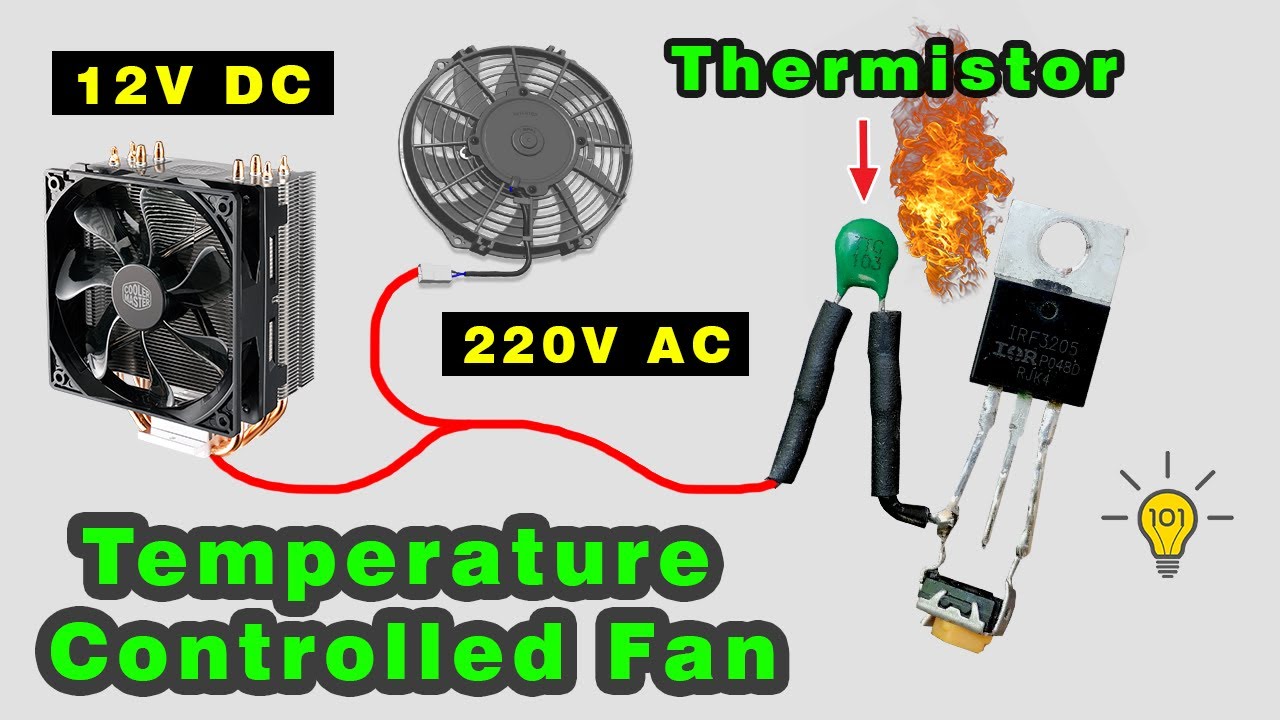
Credit: www.youtube.com
Data And Statistics
Temperature control fans are more than just a trend. Data shows their impact on energy use and comfort.
- The U.S. Department of Energy states that using fans with automatic control can cut cooling costs by up to 30% in homes.
- In large data centers, automated fans reduce equipment failure rates by 15-20%.
- Offices with smart fans report higher worker comfort scores and fewer complaints about air quality.
- Greenhouses using temperature-controlled fans see better plant growth and lower disease rates.
These numbers show that investing in temperature control fans pays off in many ways.
How To Choose The Right Temperature Control Fan
Picking the right fan can feel confusing. Here’s a step-by-step guide to help you make the best choice:
- Know Your Space
- Measure the room size. Bigger rooms need stronger fans.
- Check for obstacles like furniture or walls that block air.
- Set Your Goals
- Decide if you want comfort, energy savings, or both.
- Are you cooling people, equipment, or animals?
- Choose the Type
- Standalone for small rooms.
- Ceiling or inline for bigger spaces.
- Industrial for factories or warehouses.
- Check Sensor Quality
- Digital sensors are more accurate.
- Mechanical sensors are cheaper but less reliable.
- Look for Smart Features
- Wi-Fi or Bluetooth for remote control.
- Integration with smart home systems.
- Compare Energy Ratings
- Choose fans with high efficiency.
- Review Noise Levels
- Lower decibel ratings are better for quiet spaces.
- Check Warranty and Support
- Good warranty means less risk.
- Read User Reviews
- See what other buyers say about performance and reliability.
- Budget Wisely
- Don’t overspend on features you don’t need.
Example: Choosing For A Home Office
If you have a 200 sq ft office, a standalone fan with digital sensor and Wi-Fi control is ideal. Look for models with low noise and at least a 1-year warranty. Avoid industrial fans—they’re too powerful and noisy.
Installation And Maintenance
Installing temperature control fans is usually simple, but there are some key steps to follow.
Installation Tips
- Read the manual – Always follow the manufacturer’s instructions.
- Place the fan correctly – Install it where air can move freely.
- Connect to control systems – If using smart features, set up Wi-Fi or Bluetooth.
- Test sensors – Make sure sensors read the temperature accurately.
Maintenance Tips
- Clean blades and sensors regularly. Dust can affect performance.
- Check wiring for damage, especially in industrial settings.
- Update software for smart fans. New updates can fix bugs or improve features.
- Inspect motors for signs of wear. Listen for strange noises.
Regular maintenance keeps your fan working longer and safer.
Common Mistakes People Make
Many people make mistakes when buying or using temperature control fans. Here are some to watch out for:
- Choosing the wrong size – Small fans can’t cool big rooms. Large fans waste energy in small spaces.
- Ignoring sensor placement – If sensors are blocked or placed near heat sources, readings are wrong.
- Skipping maintenance – Dusty blades or sensors make the fan less effective.
- Overpaying for features – Many buyers pay extra for smart controls they never use.
- Not checking compatibility – Some fans don’t work with all smart home systems.
Avoid these mistakes to get the best results.
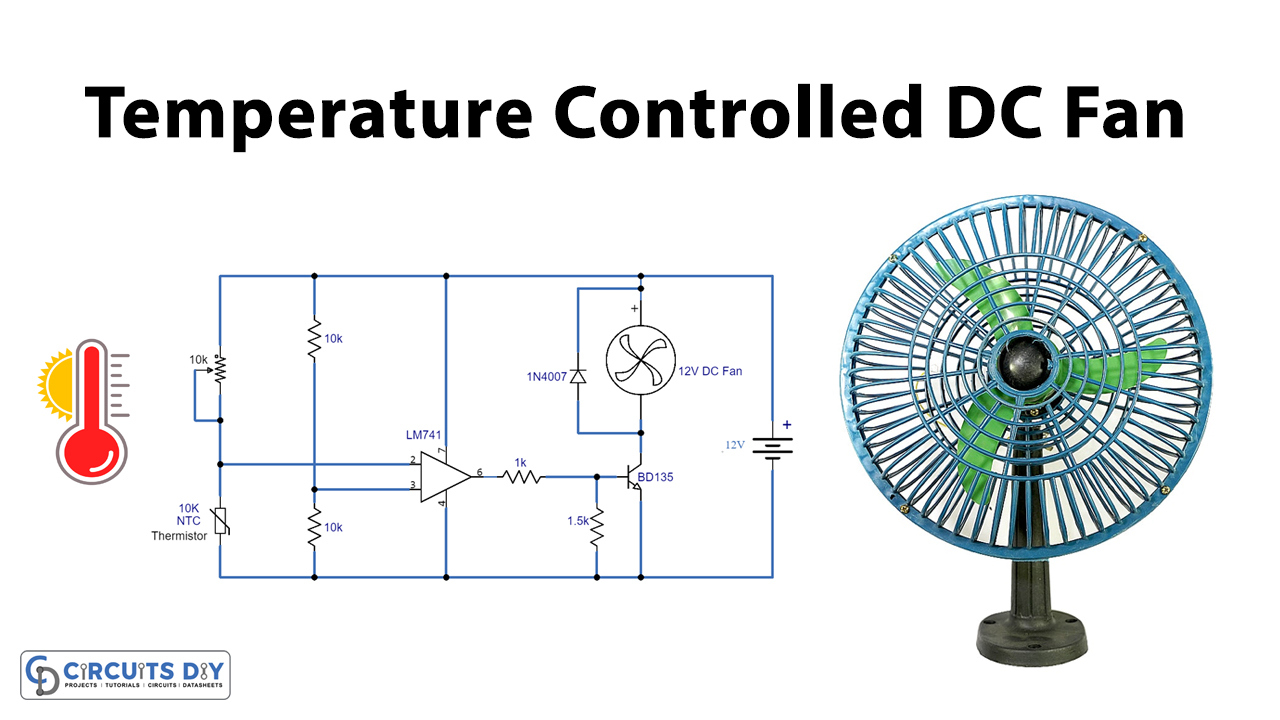
Credit: www.circuits-diy.com
Advanced Uses In Industry
Temperature control fans are vital in some industries. Here are a few advanced examples:
Data Centers
Data centers house thousands of servers. If the temperature rises even a few degrees, servers can slow down or fail. Temperature control fans in these spaces use complex sensors and connect to building management systems. They adjust air flow based on real-time data, preventing costly downtime.
Manufacturing
Factories often have machines that produce heat. Fans with temperature control help keep machines cool and protect workers. Some systems use networked fans that work together for better performance.
Greenhouses
Greenhouses need steady air movement for healthy plants. Fans with temperature sensors keep air flowing without sudden changes. Some models link to humidity sensors for even better control.
Laboratories
Sensitive experiments need stable temperatures. Fans with high-precision sensors help protect results and equipment.
Large Office Buildings
Smart fans connect to building automation systems. They adjust air based on occupancy and temperature. This saves energy and improves comfort.
Real-world Examples
Let’s look at a few real-world stories:
- A school in Texas installed temperature control fans in classrooms. Teachers reported fewer complaints about heat and better focus from students. Energy bills dropped by 25%.
- A tech company in California used smart fans in its server room. The system prevented overheating during a power surge, avoiding equipment damage.
- A greenhouse in Florida switched to fans with temperature sensors. Crop yields increased, and plant diseases dropped.
These examples show how temperature control fans solve real problems and deliver results.
Environmental Impact
Using temperature control fans is good for the environment. By reducing energy use, they lower carbon emissions. The U.S. Environmental Protection Agency notes that efficient fans can cut greenhouse gas emissions from homes and offices.
Some fans are made from recyclable materials. Choosing models with longer life means less waste. Smart fans also help utilities manage demand, which supports a cleaner energy grid.
The Future Of Temperature Control Fans
Technology is changing fast. Temperature control fans are getting smarter and more efficient. Here are some trends:
- AI-powered fans – New models use artificial intelligence to predict temperature changes and adjust settings automatically.
- Integration with renewable energy – Some fans work with solar panels or wind turbines.
- Better sensors – Next-generation sensors can measure humidity, air quality, and even occupancy.
- Customization – Users can set detailed profiles for different rooms or times of day.
- Voice control – More fans are compatible with Alexa, Google Home, and other assistants.
As these features become standard, temperature control fans will play a bigger role in homes and businesses.
Cost Overview And Roi
Temperature control fans usually cost more than regular fans. Prices range from $50 for basic home models to $500 or more for industrial units. Smart features add to the cost.
However, the return on investment can be high. Energy savings often pay for the fan within 1-2 years. In places where overheating is dangerous, the cost of avoiding damage is much greater than the price of the fan.
Here’s a simple cost comparison:
| Fan Type | Average Price | Estimated Annual Energy Savings | Break-Even Time |
|---|---|---|---|
| Regular Fan | $30-$100 | $0-$15 | N/A |
| Temperature Control Fan | $50-$500 | $20-$150 | 1-2 years |
If you want detailed energy savings data, see the U.S. Department of Energy.
Installation Checklist
Before installing a temperature control fan, review this checklist for best results:
- Confirm the fan size matches your room.
- Place sensors away from heat sources or vents.
- Connect to your Wi-Fi or smart system if needed.
- Test the fan for correct temperature response.
- Set your target temperature.
- Clean blades and sensors before use.
Following these steps avoids common problems and ensures smooth operation.

Credit: www.youtube.com
Frequently Asked Questions
What Is The Main Advantage Of Temperature Control Fans?
The main advantage is automatic adjustment. These fans change speed based on temperature, saving energy and keeping comfort levels steady. You don’t need to adjust settings manually.
Can Temperature Control Fans Be Used Outdoors?
Some models are weatherproof and can be used outdoors. These are common in patios, greenhouses, or animal shelters. Always check the product rating for outdoor use.
How Do I Know If A Fan’s Sensor Is Accurate?
Look for fans with digital sensors and check the manufacturer’s specifications. User reviews can also help. If accuracy is critical, choose models with high-precision sensors.
Are Smart Temperature Control Fans Compatible With All Smart Home Systems?
Not always. Some fans only work with certain platforms like Alexa or Google Home. Check compatibility before buying and make sure your smart system supports the fan.
What Should I Do If My Temperature Control Fan Stops Responding To Temperature Changes?
First, clean the sensor and check for dust or blockages. If the problem continues, reset the fan or update the software. If still not working, contact customer support.
Temperature control fans are a smart solution for homes, offices, and industries. They offer automatic comfort, energy savings, and safer environments. As technology advances, these fans will become even more important in managing our indoor climate. Choosing the right model and using it wisely can make a big difference in comfort, cost, and sustainability.