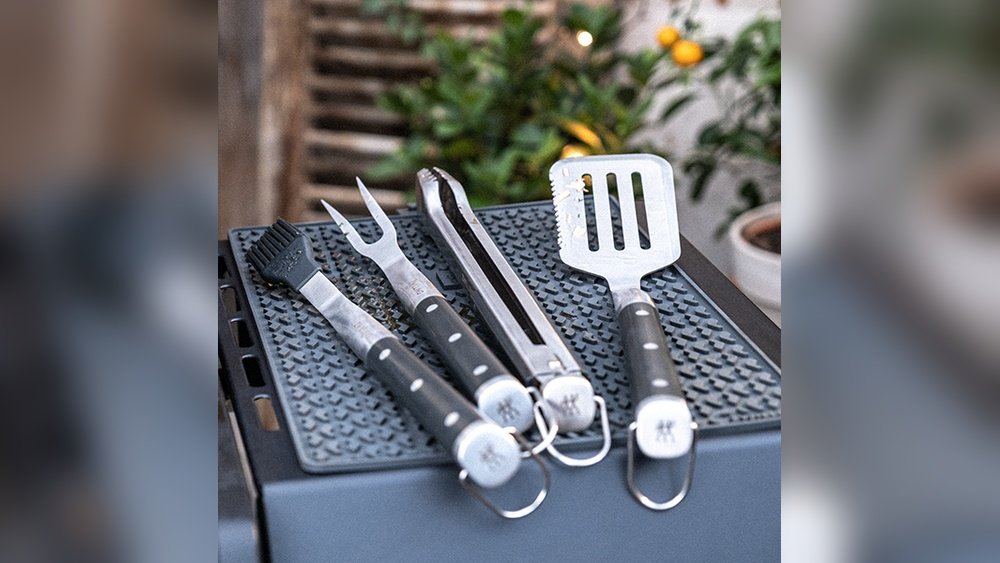
Grill Lights: Illuminate Your BBQ Nights Like a Pro
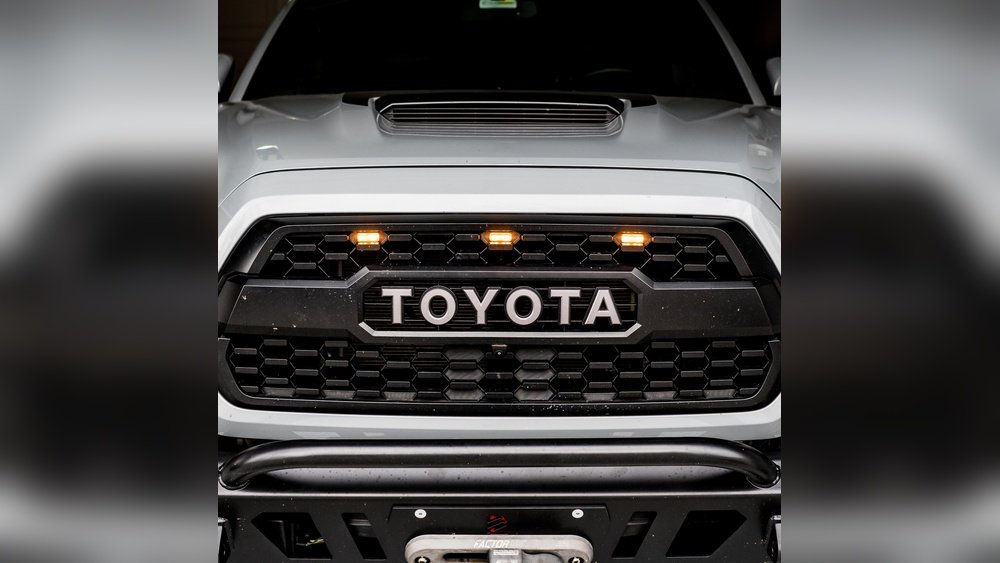
Backyard barbecues are a beloved tradition for many families and friends, especially as the weather warms up. The sound of sizzling food, the aroma of grilled meat, and the laughter around the grill create lasting memories. But as the sun sets, grilling can quickly become tricky. Shadows make it hard to see if your steak is done. You may struggle to find your favorite spatula. This is where grill lights change the game. These small but powerful devices attach to your grill and flood your workspace with light, making nighttime barbecuing safer and more enjoyable. Whether you are a weekend griller or a dedicated pitmaster, understanding grill lights can help you get the most out of every barbecue session.
Why Grill Lights Matter
Many people underestimate the importance of proper lighting when grilling. Yet, poorly lit cooking surfaces lead to unevenly cooked food, missed flare-ups, and even accidents. Grill lights are designed to solve these issues. They focus bright, adjustable light directly onto your grill, so you can monitor food color, doneness, and safety with ease.
Cooking in the dark often leads to overcooked or undercooked meals. According to a 2026 outdoor cooking survey, over 60% of grill owners say they have cooked at night at least once a month, but nearly half admit to struggling with low visibility.
This not only affects the taste and quality of food but can also make it hard to spot grease fires or sharp tools. With the right grill light, you can grill confidently any time, regardless of how late the party goes.
Types Of Grill Lights
Choosing the right grill light depends on your grill style, the space available, and your preferred setup. Here are the main types:
1. Clamp-on Grill Lights
These lights use a sturdy clamp or vice to attach to the grill’s handle or side shelf. They are popular for their flexibility and ease of installation. Clamp-on models usually have a flexible gooseneck or adjustable head, letting you direct the light exactly where you need it.
2. Magnetic Grill Lights
Some grill lights have a strong magnetic base. They attach instantly to any metal surface on your grill, making them easy to move or reposition. However, they won’t work on non-metal grills or if your cooking area has a lot of stainless steel, which is sometimes not magnetic.
3. Built-in Grill Lights
High-end grills sometimes come with built-in lighting systems. These are integrated into the grill’s hood or interior, providing even lighting and a clean look. While convenient, they can be expensive and are not easily added to older grills.
4. Handle-mount Grill Lights
These are specially designed to fit most grill handles, snapping in place securely. They light up the cooking area whenever the hood is lifted. Many handle-mount lights use motion sensors, turning on automatically when you open the grill.
5. Stand-alone Or Tripod Grill Lights
For those who need more general lighting, stand-alone lights on a tripod or base can illuminate the whole grill station. These are ideal for outdoor kitchens or larger setups but take up more space.

Credit: northgalighting.myshopify.com
Key Features To Consider
When selecting a grill light, several features will affect your experience. Think about the following:
Brightness And Light Quality
The main purpose of a grill light is to provide clear, usable light. Brightness is measured in lumens—the higher the number, the brighter the light. For most backyard grills, a light with 100–200 lumens is enough. However, if you have a large grill or cook in very dark areas, you may want 300 lumens or more.
Light color also matters. Many grill lights use LED bulbs, which produce cool white light. This helps you see the true color of food. Warm lights can make food look done before it really is.
Power Source
Grill lights typically use one of three power sources:
- Batteries: The most common type. AA or AAA batteries are easy to replace but can run out quickly if you grill often.
- Rechargeable batteries: More eco-friendly and cost-effective. Many models charge with a USB cable.
- Direct power/plug-in: Some high-end or built-in lights plug into an outlet. These offer unlimited use but require an outdoor power source.
Mounting Method
Consider how and where you’ll attach the light. Clamp-on and magnetic models are flexible and easy to move. Handle-mount lights are best for those who always use the same grill. If you want to avoid drilling or permanent changes, choose a model with a non-destructive mount.
Adjustability
A good grill light should be adjustable. Gooseneck arms or pivoting heads let you aim the beam right where you need it. Multi-light arrays can cover wider surfaces.
Weather Resistance
Outdoor cooking means exposure to wind, rain, and grease. Look for lights with waterproof or at least water-resistant ratings (such as IPX4 or higher). Durable materials like stainless steel or heavy-duty plastic last longer in tough conditions.
Durability
Grill lights face heat, smoke, and sometimes rough handling. Choose models with heat-resistant bodies and shatterproof lenses. A high-quality switch and sturdy construction can save you money in the long run.
Ease Of Use
Look for simple controls, easy battery changes, and secure mounting. Some lights include touch sensors or remote controls, which can be handy if your hands are messy from cooking.
Popular Grill Light Brands And Models
Several brands stand out for quality, innovation, and reliability. Here are some leading names and their popular models:
- Weber: Their handle-mount lights, like the Weber 7661, are known for durability and bright LED output.
- Grilluminator: Offers clamp-on lights with strong LED arrays and a focus on weather resistance.
- KOSIN: Known for value packs with magnetic bases, adjustable arms, and high lumen ratings.
- Cuisinart: Makes simple, affordable clamp-on grill lights that are easy to use.
- LED Concepts: Features flexible gooseneck models with various mounting options.
These brands are widely available in hardware stores and online.
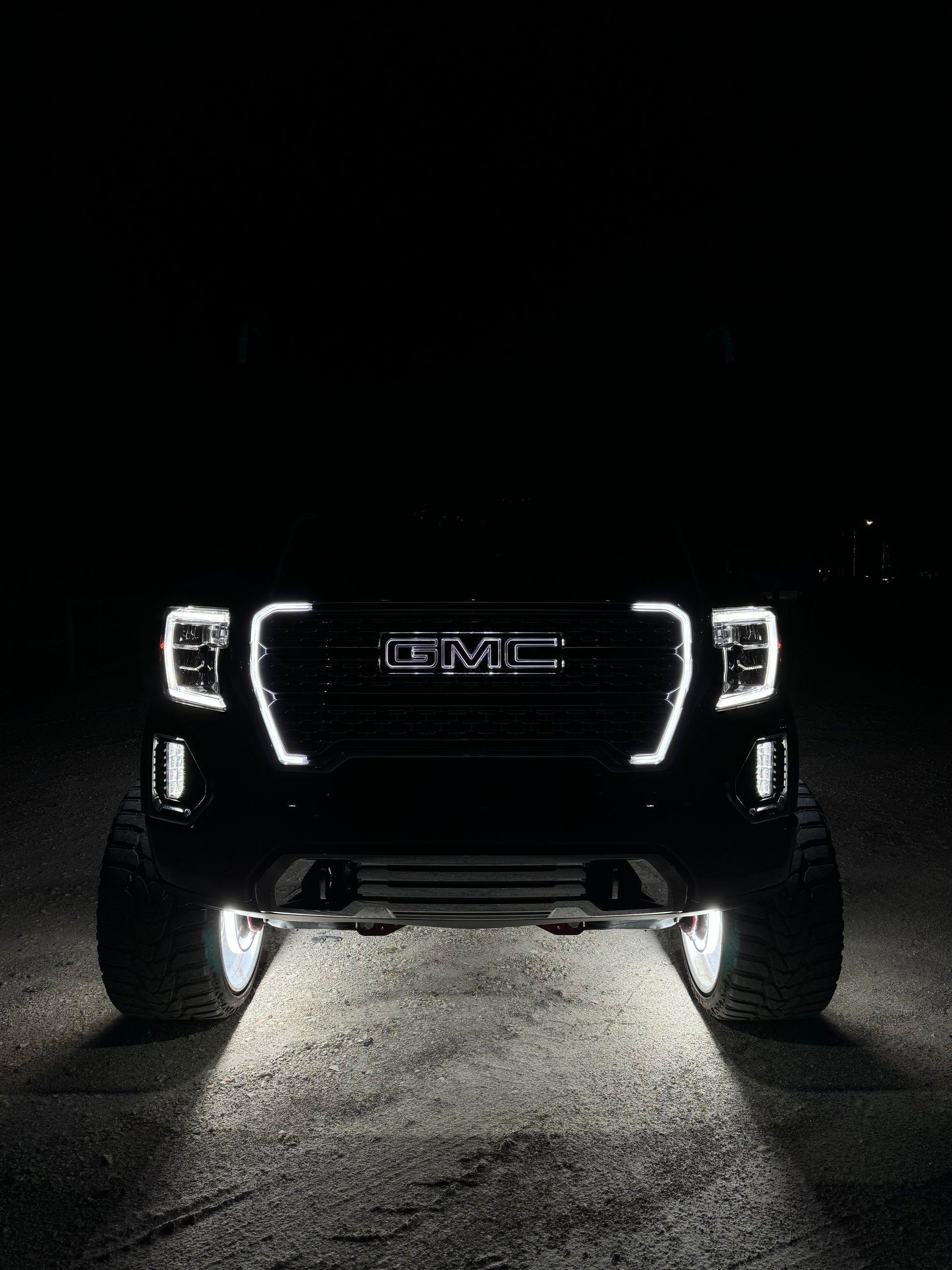
Credit: forgedleds.com
Comparison Of Top Grill Lights
To help you choose, here’s a comparison of some popular grill light models:
| Model | Mounting Type | Brightness (Lumens) | Power Source | Weather Resistance | Price Range |
|---|---|---|---|---|---|
| Weber 7661 | Handle-Mount | 120 | 3 AAA Batteries | Yes (IPX4) | $35–$45 |
| Grilluminator | Clamp-On | 180 | 3 AA Batteries | Yes (IP44) | $20–$30 |
| KOSIN Magnetic | Magnetic Base | 150 | 3 AAA Batteries | Yes (IPX4) | $15–$25 |
| Cuisinart CGL-330 | Clamp-On | 100 | 3 AAA Batteries | No | $12–$20 |
| LED Concepts Gooseneck | Clamp-On/Magnetic | 180 | 3 AAA Batteries | Yes (IP44) | $18–$28 |
How To Choose The Best Grill Light For You
Every griller has different needs. Here’s how to match your situation with the right features:
Grill Size And Type
A small portable grill may only need a compact clamp-on light. For a larger gas or charcoal grill, consider a brighter light with a wider beam and a secure mounting system. If your grill has a lid that opens straight up, a handle-mount light will work well.
For side-opening lids or non-standard shapes, a gooseneck or tripod model might be better.
Cooking Style
If you often grill late at night or during winter evenings, you need the brightest, most durable option. For casual users, a basic model with easy battery replacement is enough. If you do a lot of slow cooking, like smoking or roasting, a rechargeable light saves money and hassle in the long run.
Outdoor Conditions
If you live in a rainy or humid area, prioritize water-resistant lights. For windy spots, a strong clamp or magnetic base is essential. Some lights are designed specifically for extreme weather, with sealed batteries and reinforced cases.
Budget
Quality grill lights can cost anywhere from $10 to over $100. More expensive models often have higher brightness, better weatherproofing, and longer battery life. However, many mid-range options deliver excellent performance for most users.
Setting Up Your Grill Light
Installing a grill light is usually fast and easy, but following best practices will help you get the most from your investment.
- Choose the right location. Attach the light where it covers the entire cooking area but won’t be in the way when you open or close the grill lid.
- Secure the mount firmly. Whether you use a clamp, magnetic base, or handle mount, make sure it is tight and won’t slip during cooking.
- Adjust the angle. Point the beam directly onto the grill grates, not into your eyes. A flexible gooseneck helps here.
- Check the batteries. Always start with fresh or fully charged batteries. Some models have a low-battery warning light.
- Test before cooking. Turn the light on in darkness to spot any shadows or blind spots. Adjust as needed.
Practical Tip
Keep a spare set of batteries or a backup light handy, especially during long grilling sessions. Sometimes, the most frustrating grilling problems are the easiest to prevent.
Maintaining Your Grill Light
To extend the life of your grill light, a little care goes a long way:
- Clean regularly. Grease and smoke can build up on the lens and body. Wipe with a damp cloth after each use.
- Store indoors. If your light is not permanently mounted, bring it inside when not in use. This protects it from rain and extreme heat or cold.
- Check for damage. Inspect the mount, lens, and switch for wear. Replace cracked or loose parts quickly.
- Replace batteries. Don’t leave old batteries inside, as they can leak and damage the light.
Many grill lights are designed for tough conditions, but even the best models last longer with proper care.
Common Mistakes When Using Grill Lights
Even experienced grillers make mistakes with their lighting setup. Here are a few to watch out for:
- Mounting too close to heat. Placing the light directly above a burner or flame can melt plastic parts or damage electronics.
- Ignoring weatherproofing. Not all lights are waterproof. Always check the rating before using in wet conditions.
- Using the wrong batteries. Cheap or low-quality batteries drain quickly, leaving you in the dark.
- Forgetting to adjust the beam. A poorly aimed light can cause glare or leave parts of the grill in shadow.
- Not checking compatibility. Some mounts don’t fit all grills. Measure before you buy.
Real-world Examples
Let’s look at a few scenarios where grill lights made a real difference.
Case 1: Family Barbecue Success
Emily loves hosting family barbecues but often found herself finishing up after dark. She bought a clamp-on LED grill light with a gooseneck. The bright, adjustable beam made it easy to monitor burgers and veggies. No more guessing if the chicken was done or burning her hands searching for tools.
Her guests noticed the improvement, and the food turned out better every time.
Case 2: Competitive Barbecue Team
A barbecue competition team invested in several rechargeable handle-mount lights for their large smoker setups. They often cooked overnight, and the lights lasted through long sessions. The team avoided costly mistakes, like undercooked brisket, and even received compliments from judges for their well-cooked entries.
Case 3: Rainy Day Grilling
Mike lives in Seattle, where rain is common. He chose a magnetic grill light with an IPX5 waterproof rating. Even during unexpected showers, his grill light kept working. This allowed him to keep grilling outdoors, whatever the weather.
Outdoor Kitchen Lighting Vs. Grill Lights
While outdoor kitchen lighting—like overhead string lights or floodlights—can help, it’s not a replacement for grill-specific lighting. General outdoor lights often cast long shadows or don’t cover the grill surface directly. Grill lights are designed for focused, task-specific illumination, so you can see every detail of your food.
Some grillers use both, combining the wide glow of outdoor lights with the targeted brightness of a grill light. This is especially useful for large patios or when cooking for big groups.
Grill Light Innovations
Technology has brought new features to the world of grill lights. Here are some recent innovations:
- Motion sensors: Automatically turn the light on when you open the grill, saving battery life.
- Rechargeable lithium-ion batteries: Last longer and are more eco-friendly than traditional batteries.
- Color temperature adjustment: Some lights let you switch between cool white and warm yellow to match your preference or improve food appearance.
- Remote controls: Change brightness or turn the light on/off from a distance.
- Bluetooth connectivity: A few high-end models sync with grilling apps or timers for smart cooking.
These features add convenience but also increase the price. Decide what truly matters to you before spending extra on advanced options.
Grill Lights For Different Grills
Not every grill is the same. The right light for a gas grill may not work for a charcoal or pellet grill. Here’s how to choose based on grill type:
Gas Grills
Gas grills often have wide hoods and side shelves. Handle-mount or clamp-on lights fit well. Make sure the mounting point is not too hot.
Charcoal Grills
Round or kettle-style charcoal grills may require flexible gooseneck or magnetic lights. Check that the grill surface is magnetic if you choose a magnetic light.
Pellet Grills And Smokers
These grills are often larger and used for longer, slower cooks. Rechargeable or plug-in models are ideal for extended use. Consider a tripod light if mounting options are limited.
Portable Grills
For camping or tailgating, compact, battery-operated clamp-on or magnetic lights are best. Look for lightweight models that pack easily.
Table: Grill Light Compatibility By Grill Type
Here’s a quick reference for which lights work best with different grill types:
| Grill Type | Best Light Type | Common Mounting Option | Special Considerations |
|---|---|---|---|
| Gas Grill | Handle-Mount, Clamp-On | Handle, Side Shelf | Avoid placing near burners |
| Charcoal Grill | Gooseneck, Magnetic | Lid, Grill Body | Check for magnetic surface |
| Pellet Grill/Smoker | Tripod, Rechargeable | Nearby Table, Floor | Needs long battery life |
| Portable Grill | Clamp-On, Magnetic | Small Handle, Edge | Compact, lightweight required |
Lighting Beyond The Grill: Creating The Perfect Grilling Atmosphere
Grill lights are just one part of your outdoor cooking setup. To create a comfortable and safe barbecue area, consider adding:
- String lights: Add ambiance and light up walkways.
- Floodlights: Cover larger areas for group gatherings.
- Tabletop lamps: Make it easy to serve food and eat after dark.
However, only a dedicated grill light gives you the focused illumination needed for perfect grilling.
Safety Tips For Using Grill Lights
Grill lights improve safety, but only if used correctly:
- Keep cords and power packs away from flames.
- Do not touch hot surfaces when adjusting the light.
- Check for loose wires or damaged parts before each use.
- Store batteries away from heat and moisture.
- Turn off and remove lights before cleaning the grill.
Many accidents happen because of simple mistakes. Take a few seconds to check your setup and avoid problems.
Environmental Impact Of Grill Lights
If you grill often, consider the environmental impact of your lighting choices. Battery-powered lights can create waste if you use disposable batteries. Rechargeable models reduce waste and save money over time. Some new lights even use solar panels for charging, though these are less common.
To minimize your footprint:
- Choose LED lights, which use less energy and last longer.
- Recycle old batteries properly.
- Store lights indoors to extend their lifespan.
Making small changes can help protect the environment while you enjoy grilling.
Grill Lights For Special Needs
If you have vision problems or limited mobility, a grill light can make outdoor cooking safer and more enjoyable. Bright, adjustable lights help those with poor night vision. Large, easy-to-use switches are good for anyone with limited hand strength. Some models include voice controls or apps for even easier use.
Do You Need More Than One Grill Light?
For most standard grills, one good-quality light is enough. However, if your grill is extra-large, has multiple cooking zones, or you want to light up both the grill and prep area, using two or more lights may be helpful. Position them so they don’t cause glare or shadows.
Grill Light Accessories
Some grill lights come with handy extras:
- Carrying cases for storage and transport
- Extra mounting brackets for different grills
- Lens covers to protect from grease
- USB charging cables for rechargeable models
These accessories add value and convenience, especially if you grill in different locations.
How Grill Lights Enhance Grilling Results
A well-lit grill lets you see food color, texture, and doneness clearly. You can spot flare-ups and adjust heat before food burns. With the right light, you notice when juices pool on a steak or when vegetables start to char.
In professional barbecue, judges look for perfect grill marks and even cooking. Home grillers can achieve the same results with proper lighting. It’s a simple upgrade that brings professional results to your backyard.
Troubleshooting Common Grill Light Problems
If your grill light isn’t working as expected, try these solutions:
- Light won’t turn on: Check battery orientation or recharge. Inspect for corrosion on battery contacts.
- Flickering or dim light: Replace batteries or ensure the connection is tight. Clean the lens.
- Mount won’t stay in place: Adjust the clamp or move to a more secure location.
- Light gets too hot: Move further from the grill surface.
- Short battery life: Switch to high-quality or rechargeable batteries.
Many problems are simple fixes—don’t give up on your light without a quick check.

Credit: www.led-colight.com
Upgrading Your Grilling Experience
A grill light is one of the easiest and most effective upgrades for outdoor cooking. You don’t need to buy an expensive grill or build a new patio. For a small investment, you get safer, better, and more enjoyable barbecue sessions.
If you love grilling, a quality light quickly becomes an essential tool—not just a luxury.
Where To Buy Grill Lights
You can find grill lights at:
- Hardware stores (Home Depot, Lowe’s)
- Outdoor and camping stores
- Online retailers (Amazon, Walmart)
- Specialty barbecue shops
Always read reviews, check return policies, and compare features before buying. For more information on grilling accessories and innovations, see the Barbecue Grill Wikipedia page.
Frequently Asked Questions
What Is The Best Brightness Level For A Grill Light?
For most home grills, 100–200 lumens is enough. If you have a large grill or cook in very dark areas, look for lights with 300 lumens or more. Brightness should let you see food clearly without glare.
Can I Use Regular Flashlights Instead Of Grill Lights?
You can, but regular flashlights are not designed for grilling. They are harder to mount, may get in the way, and often don’t cover the whole grill surface. Dedicated grill lights offer better mounting options and focused beams.
Are Rechargeable Grill Lights Worth The Extra Cost?
Yes, if you grill often. Rechargeable models save money on batteries and are better for the environment. They are convenient for long or frequent cooking sessions, though you need to remember to charge them.
How Do I Know If A Grill Light Is Weatherproof?
Check the IP rating on the packaging or product description. Ratings like IPX4 or IP44 mean the light is resistant to splashes and rain. For heavy rain or tough conditions, choose higher ratings.
Do Grill Lights Fit All Grills?
Most grill lights are designed to be universal, but always check the mounting system. Measure your grill handle, shelf, or lid to ensure a secure fit. Magnetic lights require a metal surface.
Grill lights make outdoor cooking safer, easier, and more enjoyable. With the right choice and setup, you can keep the party going long after sunset and serve perfectly cooked meals every time. Whether you’re a beginner or a seasoned griller, adding a grill light is a smart, simple upgrade that delivers immediate results.