Grill Covers: Protect Your BBQ With Style and Durability
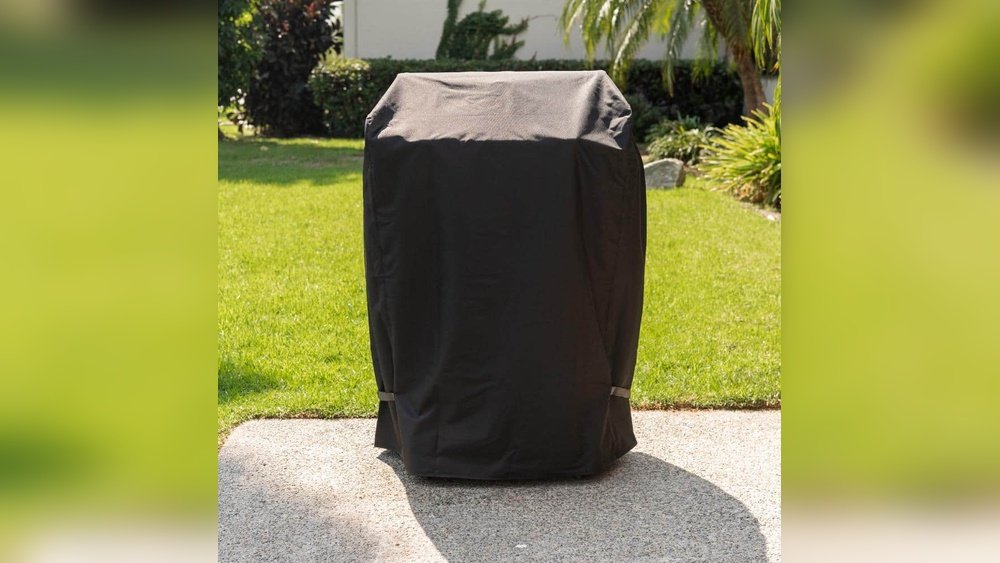
Grills are a staple in many homes, especially in the United States. Whether you’re cooking burgers, steaks, or vegetables, a grill brings people together. But one thing often overlooked is the care of your grill. If you want your grill to last, perform well, and look good, you need to protect it. That’s where grill covers come in. A grill cover seems simple, but choosing the right one and using it correctly can make a big difference. This article will guide you through everything you need to know about grill covers: why they matter, how to choose one, materials, sizing, maintenance, common mistakes, and more. You’ll get practical advice and data to help you make smart decisions, even if you’re new to grilling.
Why Grill Covers Matter
When you buy a grill, you invest in outdoor cooking. But grills face tough conditions—rain, sun, dust, insects, and even animals. Grill covers act as a shield, protecting your grill from these threats. Here’s why they’re essential:
- Weather Protection: Rain, snow, and humidity can cause rust and corrosion. UV rays from the sun fade paint and damage parts. A cover reduces exposure to these elements.
- Keeps Grill Clean: Covers block dust, pollen, leaves, and bird droppings. You won’t need to scrub your grill as often.
- Prevents Damage: Animals sometimes chew wires or nest in grills. Covers make it harder for pests to get inside.
- Extends Lifespan: According to a study by the Hearth, Patio & Barbecue Association, grills without covers lasted about 2-3 years less than those with covers.
- Saves Money: Less frequent repairs and replacements.
Many new grill owners skip buying a cover, thinking it’s not necessary. But even high-end grills need protection. One non-obvious insight: moisture doesn’t only come from rain—morning dew and humidity can be just as harmful, especially over time.
Types Of Grill Covers
Not all grill covers are the same. You’ll find many types, each suited for different grills and needs. Here are the main categories:
- Universal Covers: Designed to fit many grill sizes. Good for standard shapes and quick purchases.
- Custom-Fit Covers: Made for specific grill models. Offer the best fit and protection.
- Heavy-Duty Covers: Use thicker material and reinforced seams. Ideal for harsh climates.
- Lightweight Covers: Easier to handle, but less durable.
- Portable Covers: Compact, meant for travel or camping grills.
Some brands offer special features like waterproof coatings or UV protection. Beginners often miss that custom-fit covers prevent wind from blowing the cover off—a frequent problem with universal covers.
Materials Used In Grill Covers
Material matters for durability, weather resistance, and ease of cleaning. Let’s compare the most common materials:
| Material | Weather Resistance | Durability | Ease of Cleaning |
|---|---|---|---|
| Polyester | Good (water-resistant, UV protection) | Medium | Easy |
| Vinyl | Excellent (waterproof) | High | Easy |
| Canvas | Fair (depends on coating) | High | Medium |
| Plastic | Good | Low | Very Easy |
| Leather | Poor (not for outdoor use) | Low | Hard |
- Polyester: Most popular. Lightweight, resists fading, and dries fast.
- Vinyl: Waterproof, strong, but can crack in cold weather.
- Canvas: Tough, often used with waterproof coatings. Heavier, more expensive.
- Plastic: Cheap, but not durable. Usually for temporary use.
- Leather: Rare, not practical for outdoor protection.
A practical tip: Look for covers with double stitching and reinforced corners. These features prevent tears and extend life, especially in windy areas.
Choosing The Right Grill Cover
Picking the right cover isn’t just about price. Consider these factors:
Sizing
Measure your grill carefully before buying. The cover should fit snugly, but not too tight. Here’s how to measure:
- Width: From one end to the other (side handles included).
- Depth: From front to back (lid closed).
- Height: From the ground to the highest point (including chimney or lid).
A cover that’s too small won’t protect the sides. Too large and it might flap in the wind, letting moisture in.
Climate
Your local weather affects your choice. If you live in a rainy or snowy area, pick a waterproof cover. For sunny climates, UV protection is a must. In windy spots, look for covers with straps or drawstrings.
Grill Type
Some covers are made for specific grill types:
- Gas Grills: Often rectangular. Need covers with venting to prevent moisture buildup.
- Charcoal Grills: Usually round. Look for covers with a dome shape.
- Smokers: Taller, with extra space for the chimney.
- Portable Grills: Small, lightweight covers.
Features To Look For
- Straps or Velcro: Helps secure the cover in strong wind.
- Air Vents: Reduces condensation, preventing rust.
- Handles: Makes removal easier.
- Pockets: Useful for storing tools.
Many beginners don’t check for venting, but it’s crucial. Trapped moisture can cause mold and rust, even under a waterproof cover.
Grill Cover Brands And Price Comparison
Let’s look at some popular brands and their average prices:
| Brand | Material | Fit Type | Average Price (USD) | Special Features |
|---|---|---|---|---|
| Weber | Polyester | Custom | $50–$90 | UV protection, handles |
| Char-Broil | Vinyl | Universal | $20–$40 | Waterproof, straps |
| Classic Accessories | Polyester | Universal | $30–$70 | Air vents, storage pockets |
| King Kong | Polyester | Custom | $40–$60 | Double stitching |
| Amazon Basics | Polyester | Universal | $20–$35 | Handles, simple design |
Prices can vary by size and features. Custom-fit covers cost more, but offer better protection. Universal covers are cheaper, but may not last as long.
How To Use A Grill Cover Properly
It’s not enough to just buy a cover—you need to use it correctly. Here are steps to follow:
- Clean the Grill: Always cover a dry, clean grill. Moisture and dirt trapped under the cover cause rust and mold.
- Wait After Cooking: Let the grill cool down before covering. Heat can warp covers and trap moisture.
- Secure the Cover: Use straps or drawstrings. In windy weather, this keeps the cover from blowing away.
- Check Regularly: Inspect the cover for holes, tears, or loose seams.
- Remove Occasionally: Air out the grill every few weeks to prevent condensation.
Many beginners forget to secure their covers, especially after grilling. Wind can easily blow off a loose cover, exposing your grill to rain and debris.
Cleaning And Maintaining Grill Covers
A dirty cover can cause problems—mold, bad smells, and reduced protection. Maintenance is simple:
- Regular Cleaning: Wash with warm soapy water. Rinse and let air dry.
- Remove Stains: For tough stains, use a mild detergent. Avoid bleach—it weakens fabric.
- Inspect for Damage: Look for cracks, holes, or worn areas. Small repairs (patches or glue) can extend life.
- Store Properly: In winter or long breaks, clean and dry the cover, then store it indoors.
A non-obvious insight: covers left wet after cleaning can grow mold, especially if folded and stored. Always dry thoroughly.
Common Mistakes When Using Grill Covers
Even experienced grill owners make mistakes. Here are some to avoid:
- Covering a hot grill: Heat can damage covers and trap moisture, leading to rust.
- Neglecting to clean: Dirt under the cover can scratch surfaces and cause corrosion.
- Using the wrong size: A poor fit lets in water and debris.
- Ignoring straps or vents: Without them, wind and moisture cause problems.
- Leaving the cover on during storms: If water pools, it can weigh down and tear the cover.
Beginners often overlook regular checks. Small tears grow quickly, especially in rough weather. Fix issues early.
Grill Covers For Different Grill Types
Let’s look at how covers differ by grill type:
Gas Grills
Gas grills are popular for their convenience. Covers for these grills need venting to prevent gas buildup and moisture. Many gas grill covers are rectangular, with extra space for side burners or shelves.
Charcoal Grills
Charcoal grills are usually round, with a dome lid. Covers should fit snugly over the top, with room for vents. Waterproofing is important, as charcoal absorbs moisture.
Pellet Grills
Pellet grills have a hopper and often extra shelving. Covers must be larger, sometimes with pockets or extensions for the hopper.
Smokers
Smokers are tall and narrow, with chimneys. Covers should reach the ground and have room for the chimney. Some smokers need custom covers.
Portable Grills
Portable grills are small and used for camping or tailgating. Covers are lightweight and easy to pack. Waterproofing is less critical, but durability matters.
Weather And Grill Cover Performance
Climate is a big factor in grill cover choice. Here’s how weather affects performance:
- Rain and Snow: Waterproof covers are essential. Vinyl or coated polyester works best.
- Sun and Heat: UV-resistant covers protect against fading and cracking.
- Wind: Secure covers with straps, Velcro, or drawstrings. Heavier covers resist wind better.
- Humidity: Air vents help prevent condensation and mold.
In places like Florida, humidity is constant. Covers with venting are critical. In Colorado, sun and wind are main concerns, so UV protection and strong straps matter more.
Diy Grill Covers Vs. Store-bought
Some people make their own grill covers. Here are pros and cons:
- DIY Covers:
- Cheap, customizable.
- Materials: Tarps, canvas, old blankets.
- Often lack waterproofing, UV resistance, and fit.
- May not last as long.
- Store-Bought Covers:
- Designed for grills, with proper fit.
- Waterproof, UV-resistant.
- More expensive, but more durable.
If you’re handy, a DIY cover can work for short-term or unusual grill shapes. But for long-term protection, store-bought covers are usually better.
Grill Cover Lifespan And Replacement
How long does a grill cover last? It depends on material, weather, and care.
- Polyester: 2–5 years (with regular cleaning).
- Vinyl: 3–7 years (depending on climate).
- Canvas: 5–10 years (if waterproofed).
- Plastic: Less than 2 years.
If you notice cracks, holes, fading, or loss of waterproofing, it’s time to replace your cover. Regular maintenance can add years to lifespan. One non-obvious insight: sun damage is often worse than rain. UV rays break down fabric and stitching faster than water.
Environmental Impact Of Grill Covers
Grill covers are made from plastic, vinyl, and polyester. These materials have environmental costs. Here’s what to consider:
- Recyclability: Most covers are not easily recycled. Polyester and vinyl need special facilities.
- Longevity: Longer-lasting covers reduce waste.
- Eco-friendly Options: Some brands offer covers made from recycled materials or biodegradable coatings.
If you’re concerned about the environment, look for covers with certifications or made from recycled content. Store properly and repair minor damage to avoid frequent replacements.
Grill Cover Accessories
Some accessories make using a grill cover easier and safer:
- Weighted Straps: Attach to the bottom, keeping the cover in place during storms.
- Patches: Fix small holes or tears.
- Storage Bags: For storing covers during winter.
- Cleaning Sprays: Special sprays keep covers waterproof and clean.
Accessories aren’t mandatory, but can add convenience. Weighted straps are especially useful in windy climates.
Grill Cover Safety Tips
Grill covers can pose risks if used incorrectly:
- Never cover a hot grill: Heat can melt or warp material, and trap harmful gases.
- Check for pests: Covers can hide insects or small animals. Inspect before cooking.
- Avoid flammable materials: Only use materials rated for outdoor use.
- Secure in storms: Loose covers can become dangerous in high wind.
Safety is simple—follow basic precautions and check regularly.
The Science Behind Grill Covers
You might wonder why grill covers work so well. Here’s the science:
- Waterproofing: Materials like vinyl and coated polyester block water, preventing rust.
- UV Protection: Special coatings reflect or absorb UV rays, reducing fading and cracking.
- Venting: Air vents allow moisture to escape, stopping mold and condensation.
A grill left uncovered can rust in as little as six months in rainy climates. Covers slow down oxidation, saving your investment.

Credit: www.amazon.com
Real-life Examples: Grill Cover Success Stories
Let’s look at some real-life examples:
- Case 1: A family in Seattle used a waterproof cover on their gas grill. After five years, the grill showed almost no rust, while neighbors without covers replaced theirs in two years.
- Case 2: In Phoenix, a grill owner switched from a basic plastic cover to a UV-resistant polyester cover. Fading stopped, and the cover lasted three more years.
- Case 3: A camper used a lightweight cover on a portable grill. The grill stayed clean, even after weeks of travel, saving hours of cleaning.
These stories show that the right cover, used correctly, really does make a difference.
Grill Covers And Outdoor Design
A grill cover isn’t just practical—it can add to your outdoor style. Many brands offer covers in different colors and patterns. You can match your cover to patio furniture or garden decor.
- Black: Most common, hides dirt.
- Gray, Tan, Green: Blends with outdoor spaces.
- Patterned Covers: Adds personality.
Some covers have logos or custom embroidery. If appearance matters, consider color and design.
Buying Grill Covers Online Vs. In-store
You can buy grill covers online or in stores. Each has advantages:
- Online:
- Wider selection.
- Easier to compare prices and features.
- Read reviews from other buyers.
- In-Store:
- See and touch material.
- Check fit directly.
- Immediate purchase.
A practical tip: read online reviews carefully. Look for comments about fit, durability, and weather performance.
Grill Cover Reviews And Ratings
Buyer ratings can help you choose. Look for these details in reviews:
- Fit: Does the cover fit the grill well?
- Durability: How long did it last?
- Weather Performance: Did it protect in rain, wind, or sun?
- Ease of Use: Was it easy to put on and remove?
Some covers have thousands of positive reviews. Others show common complaints—like cracking, fading, or poor fit.
Grill Cover Warranty And Customer Service
Warranties can be important. Many covers offer limited warranties—one to five years. If your cover fails early, you might get a replacement.
- Check warranty terms: Some only cover manufacturing defects.
- Customer service: Good brands respond quickly and honor warranties.
Always keep receipts and check warranty before buying.
Grill Covers For Commercial Use
Restaurants and catering companies use large grills. Covers for commercial grills are heavy-duty, often custom-made.
- Material: Thick canvas or reinforced polyester.
- Features: Extra straps, large vents, branding.
- Price: Higher, but longer-lasting.
Commercial covers protect expensive equipment from weather and theft.
Grill Covers And Insurance
If you insure your outdoor equipment, grill covers can help. Some insurance policies require equipment to be protected from weather. A cover may reduce risk and help in claims.
- Check policy terms: Some require proof of protection.
- Document use: Photos or receipts can help in claims.
This is a non-obvious tip—many people don’t realize that covers can affect insurance.
Grill Cover Innovations
New grill covers use advanced materials and features:
- Nano-coatings: Repel water and dirt.
- Smart Covers: Built-in sensors detect moisture or temperature.
- Quick-Release Designs: Easy removal and storage.
- Recycled Materials: Eco-friendly covers.
Innovation is making covers more effective and easier to use.

Credit: www.ebay.com
Grill Cover Myths
Some myths surround grill covers:
- Myth 1: Covers cause rust. Truth: improper use (covering a wet grill) causes rust, not the cover itself.
- Myth 2: Only expensive covers work. Truth: fit and material matter more than price.
- Myth 3: All covers are waterproof. Truth: many are only water-resistant.
Understanding these myths helps you make smarter choices.
Summary Table: Grill Cover Features
Here’s a quick summary of key features to compare:
| Feature | Benefit | Who Needs It |
|---|---|---|
| Waterproof | Protects from rain, snow | Wet climates |
| UV Protection | Stops fading, cracking | Sunny areas |
| Straps/Velcro | Keeps cover secure | Windy spots |
| Air Vents | Reduces moisture buildup | Humid climates |
| Handles | Easy removal | Everyone |
| Custom Fit | Best protection | Large or unique grills |

Credit: www.amazon.com
How To Store Grill Covers
When not in use, store your cover properly:
- Clean first: Remove dirt and stains.
- Dry completely: Prevent mold.
- Fold neatly: Avoid creases.
- Use a storage bag: Keeps cover safe and ready for next season.
Storing covers indoors prolongs their life.
Grill Covers And Grill Maintenance
Using a cover is part of grill maintenance. Here’s how it fits in:
- Regular cleaning: Clean grill before covering.
- Monthly checks: Inspect cover and grill for damage.
- Seasonal maintenance: Deep clean grill and cover at the start/end of grilling season.
A well-maintained grill and cover lasts longer and performs better.
How To Repair Grill Covers
Small repairs can add years to your cover:
- Patch holes: Use fabric patches or waterproof glue.
- Fix seams: Sew or use repair tape.
- Replace straps: Attach new Velcro or drawstrings.
Don’t ignore small damage—it gets worse quickly.
Grill Cover Trends
Trends in grill covers include:
- Eco-friendly materials
- Smart features (sensors)
- Custom designs
- All-season covers
More people are choosing covers that match their outdoor decor and use recycled materials.
Grill Cover Recommendations
Based on research and user reviews, here are recommendations:
- Best for Rain: Vinyl covers with air vents.
- Best for Sun: UV-resistant polyester.
- Best for Wind: Covers with heavy-duty straps.
- Best for Large Grills: Custom-fit covers.
- Best for Portability: Lightweight, compact covers.
Always check fit and features before buying.
External Resource
For more information on grill care and outdoor cooking, visit Wikipedia’s page on barbecue grills.
Frequently Asked Questions
What Size Grill Cover Do I Need?
Measure the width, depth, and height of your grill. Add an inch or two for a snug fit. Covers too small won’t protect, and too large may let in moisture.
How Often Should I Clean My Grill Cover?
Clean your cover every month or after messy weather. Wash with warm soapy water, rinse, and dry completely.
Are Grill Covers Waterproof?
Most covers are water-resistant. True waterproof covers are usually vinyl or coated polyester. Check product details for waterproof ratings.
Can I Use A Grill Cover In Winter?
Yes, grill covers protect against snow, ice, and cold. Clean and dry your grill before covering. In heavy snow, check for pooling water.
How Long Does A Grill Cover Last?
With proper care, covers last 2–10 years. Material, weather, and maintenance affect lifespan. Replace if you notice cracks, holes, or fading.
Protecting your grill with the right cover is a simple step that saves money, time, and effort. Choose wisely, use correctly, and maintain regularly for the best results. Grill covers are not just accessories—they are essential tools for any grill owner.