Grill Brushes: Top Picks for Safe and Effective BBQ Cleaning
Grilling is more than just cooking food outside. It’s a tradition, a hobby, and a way to bring people together. But if you grill often, you know how important it is to keep your grill clean. A dirty grill can ruin flavors, cause safety issues, and even damage your equipment over time. That’s where grill brushes come in. These simple tools help you remove food bits, grease, and burnt residue, keeping your grill ready for the next meal.
In this article, you’ll learn everything you need to know about grill brushes. We’ll explain the types, how to use them safely, what features matter, and even compare popular models. By the end, you’ll be able to choose the right brush and use it with confidence.
Why Grill Brushes Matter
Keeping your grill clean is not just about looks. It affects taste, safety, and the life of your grill.
Flavor Impact: Old food and grease can stick to the grates, making new food taste burnt or strange. Cleaning with a grill brush removes these leftovers, giving your food the best flavor.
Safety Concerns: Built-up grease can cause flare-ups, which are sudden fires. These can burn your food or even cause injury. A clean grill reduces this risk.
Equipment Longevity: Grills cost money. If you let grime build up, it can cause rust and damage, making your grill wear out faster. Regular cleaning keeps your grill working longer.
Many beginners overlook these points. Some think a quick wipe is enough, but deep cleaning with the right brush makes a big difference. Also, using the wrong brush can scratch grates or leave bristles behind, which is a health risk.
We’ll cover those details soon.
Types Of Grill Brushes
There is no one-size-fits-all grill brush. Choosing the right one depends on your grill’s material, your cleaning style, and your safety concerns.
Wire Bristle Brushes
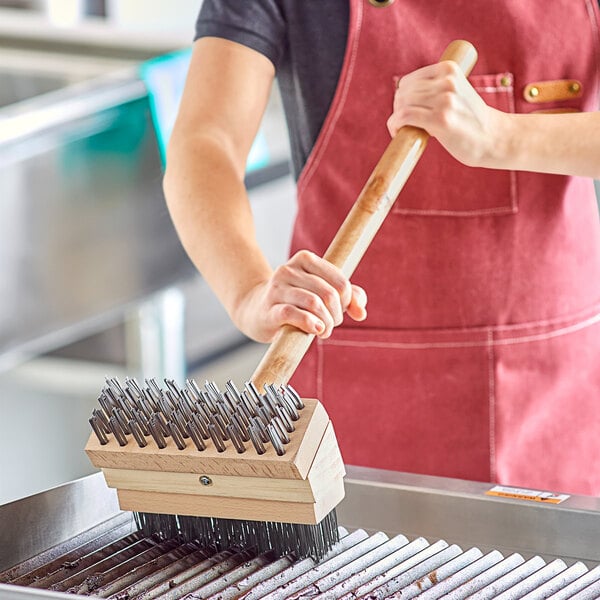
These are the most common. They have metal bristles—usually stainless steel or brass. They clean deep, removing tough residue.
Pros:
- Great for tough grime
- Works on most grill types
Cons:
- Bristles can break and stick to the grill
- Small metal bristles can end up in food, causing health risks
Bristle-free Brushes
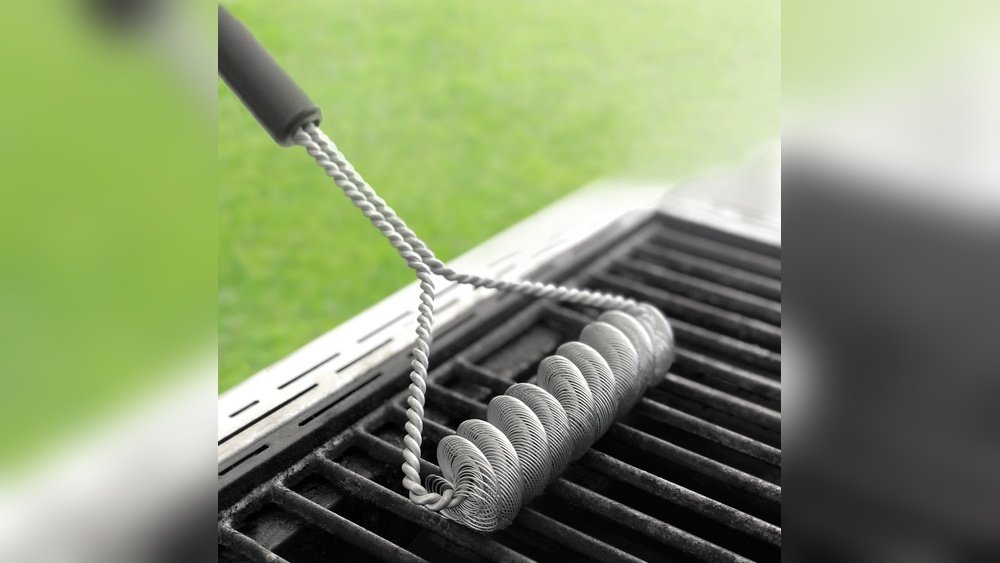
Instead of bristles, these brushes use coiled metal wires or flat metal scrapers. They are safer because there are no loose bristles.
Pros:
- No risk of bristle ingestion
- Durable
Cons:
- Sometimes less effective on certain grates
- Can be harder to use on small spaces
Nylon Brushes
Made with synthetic bristles. They are softer and safer for delicate grills like porcelain-coated grates.
Pros:
- Gentle
- No metal pieces
Cons:
- Not good for hot cleaning (melts at high temperatures)
- Less effective for tough residue
Scraper Brushes
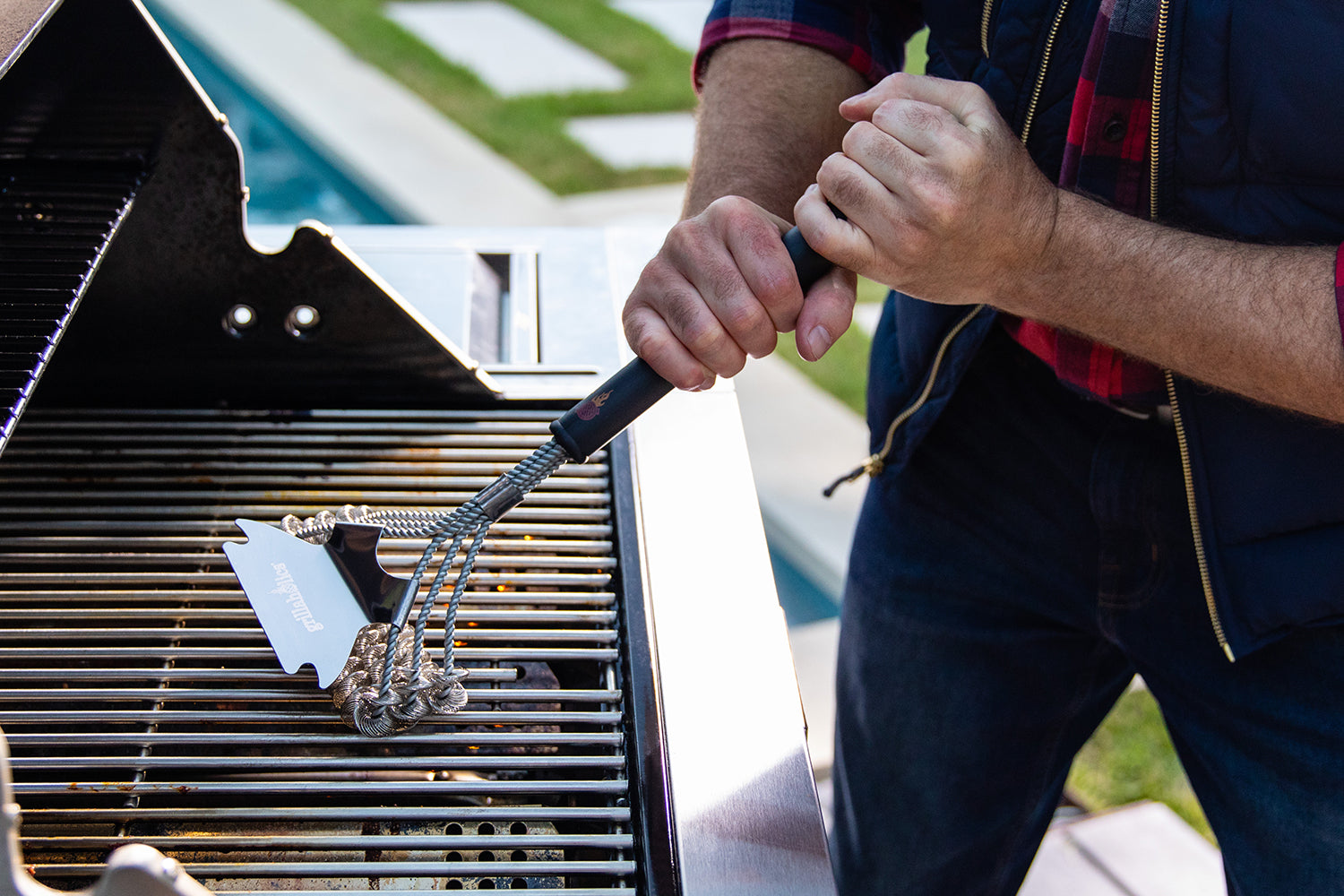
These brushes have a metal edge for scraping stuck food. Often combined with bristles or coils.
Pros:
- Effective for stuck-on grime
- Useful for cleaning grill edges
Cons:
- Can scratch delicate surfaces
- Usually needs to be used with care
Steam Grill Brushes
These use water reservoirs to create steam as you clean, helping to loosen tough residue.
Pros:
- Deep cleaning
- Less scrubbing needed
Cons:
- More expensive
- Can be bulky
Electric Grill Brushes
Battery-powered or plug-in brushes that vibrate or rotate for extra cleaning power.
Pros:
- Quick cleaning
- Less effort
Cons:
- Costly
- Needs charging or batteries
Many users miss the importance of matching brush to grill type. For example, stainless steel bristles can ruin ceramic grates. Always check your grill’s material before buying.
Credit: www.infinibandta.org
Key Features To Consider
Not all grill brushes are equal. Here’s what really matters when choosing one:
1. Bristle Material: Stainless steel is strong and good for stainless steel grates, but can damage porcelain. Brass is gentler, but wears out faster. Nylon is safest for delicate grills.
2. Handle Length: Longer handles keep your hands away from heat. Short handles give more control but can risk burns.
3. Brush Shape: Flat brushes work well for wide grates. Curved or angled brushes reach corners and edges better.
4. Safety: Bristle-free or nylon brushes reduce risk of swallowing bristles. Choose high-quality brands with strong bristle attachment.
5. Durability: Cheap brushes lose bristles or break quickly. Invest in a strong brush for long-term use.
6. Cleaning Power: More bristles or coils mean faster cleaning. Scraper edges help with tough spots.
7. Ease of Cleaning: Some brushes can be washed in a dishwasher. Others need hand washing.
8. Price: You can find brushes from $5 to $50. Higher prices often mean better build, but not always.
9. Grill Compatibility: Always match the brush to your grill’s surface to avoid scratches or damage.
Beginners often focus only on price, missing key factors like handle length and brush material. Don’t make that mistake.
How To Use A Grill Brush Safely
Safety is a big concern with grill brushes, especially wire bristle models. Here are practical steps for safe use:
- Let the grill cool slightly: Never clean a blazing hot grill. Wait until it’s warm but not burning.
- Inspect the brush: Before every use, check for loose bristles or damage. Replace if needed.
- Brush gently: Don’t press too hard. Use steady, even strokes to clean each grate.
- Clean in one direction: This helps remove debris and reduces bristle loss.
- Rinse grates after brushing: Wipe with a damp cloth to catch any loose bristles.
- Wash the brush regularly: Clean the brush itself to remove grease and food bits.
- Store safely: Keep the brush away from kids and pets. Store in a dry place.
Common mistakes: Some people use wire brushes on delicate surfaces, causing scratches. Others ignore damaged brushes, risking bristle ingestion. Always check your brush and use the right type.

Credit: www.amazon.com
Comparing Popular Grill Brush Models
To help you choose, here’s a comparison of five top grill brush models. This table shows their main features, price, and user ratings.
| Model | Type | Handle Length | Price | User Rating |
|---|---|---|---|---|
| Weber 3-Sided Grill Brush | Wire Bristle | 18 inches | $14.99 | 4.5/5 |
| GrillArt Bristle-Free Brush | Bristle-Free Coil | 18 inches | $21.99 | 4.6/5 |
| Char-Broil Cool-Clean Brush | Nylon Bristle | 15 inches | $11.99 | 4.3/5 |
| BBQ-Aid Grill Brush | Wire Bristle + Scraper | 16 inches | $17.99 | 4.7/5 |
| Grand Grill Daddy Steam Brush | Steam Brush | 22 inches | $39.99 | 4.2/5 |
Insights: The highest-rated models are bristle-free and have long handles. Steam brushes cost more but offer deep cleaning. Wire bristle brushes are affordable but require extra safety checks.
Maintenance And Cleaning Tips
A grill brush is only useful if it’s clean and well cared for. Here’s how to keep yours in top shape:
Rinse After Each Use: After brushing your grill, rinse the brush with water to remove grease and debris.
Deep Clean Monthly: Soak the brush in soapy water. Scrub with another brush or sponge. Rinse and let it dry fully.
Inspect for Damage: Check for loose bristles, cracked handles, or worn scrapers. Replace if you see problems.
Store Properly: Keep the brush dry and away from moisture. Hang it or place it in a tool drawer.
Replace When Needed: Most brushes last 1-2 years with regular use. If you see bristle loss or heavy wear, buy a new one.
Common mistake: Using a dirty brush spreads old grease onto clean grates. Always clean the brush after every use.
Grill Brush Safety Facts And Statistics
Safety is a growing concern with grill brushes. Here are some real data points:
- Wire bristle injuries: According to a study from the American Journal of Otolaryngology, about 1,700 Americans visit the ER each year for injuries related to swallowed grill brush bristles.
- Bristle-free trend: Sales of bristle-free grill brushes have increased by 25% in the last five years, showing that users are looking for safer options.
- Average lifespan: Most grill brushes last between 12 and 24 months with regular use.
Many beginners don’t realize that bristles can break and stick to food. Always inspect grates after cleaning. Safety is not just about avoiding burns—it’s about protecting your health.
Grill Brush Use For Different Grill Types
The type of grill you have changes how you use and choose a brush.
Gas Grills
Stainless steel grates are common. Wire bristle brushes work well, but check for bristle loss. If you have porcelain-coated grates, use nylon or bristle-free brushes.
Charcoal Grills
These often have cast iron grates. Wire brushes are effective, but avoid using too much force to prevent scratching. Bristle-free coils also work.
Ceramic Or Kamado Grills
Use only soft brushes (nylon or bristle-free). Wire bristles can damage the surface and lead to cracks.
Pellet Grills
Grates can be stainless steel or porcelain-coated. Match the brush to the grate material. Never use wire bristles on porcelain.
Portable Grills
These have smaller grates. Choose a brush with a short handle and small head for better control.
Non-obvious tip: Some grill manufacturers recommend specific brushes. Check your manual or brand website for guidance.
Real-life Examples And User Stories
Learning from others can help you avoid mistakes. Here are three real user stories:
1. Mark’s Wire Bristle Incident: Mark used a cheap wire brush for years. One day, his child swallowed a bristle stuck in a burger. After a hospital visit, Mark switched to a bristle-free coil brush.
2. Anna’s Ceramic Grill Damage: Anna cleaned her kamado grill with a wire brush. Small scratches turned into cracks after a few months. She now uses only nylon brushes and wipes grates after brushing.
3. Tom’s Steam Brush Success: Tom struggled with burnt-on residue. He bought a steam grill brush. The steam loosened tough spots, and cleaning was much easier. Tom now recommends steam brushes to friends.
These examples show why brush choice and safety checks matter. Many beginners don’t realize the risks until they face a problem.
Grill Brush Comparison: Bristle Vs Bristle-free
Let’s compare wire bristle and bristle-free brushes side by side.
| Feature | Wire Bristle | Bristle-Free |
|---|---|---|
| Cleaning Power | High | Medium-High |
| Safety | Risk of bristle ingestion | No bristle risk |
| Durability | Can lose bristles | Long-lasting |
| Price Range | $5–$20 | $15–$30 |
| Grill Compatibility | Good for metal grates | Safe for all grates |
Insight: Bristle-free brushes are safer and last longer, but wire bristle brushes clean tough spots faster. Choose based on your grill type and safety needs.
Signs You Need A New Grill Brush
Many people use old brushes for years. Here’s how to know it’s time for a replacement:
- Loose bristles: Even one missing bristle is a warning sign.
- Cracked handle: Can cause accidents or poor control.
- Rust or corrosion: Reduces cleaning power and spreads rust to your grill.
- Worn scraper edge: Not effective on tough spots.
- Visible grime: If deep cleaning doesn’t help, buy a new brush.
Non-obvious tip: Set a reminder to check your brush every three months. This simple habit prevents most safety risks.
Cleaning Alternatives And Extra Tools
Grill brushes are the main tool, but there are other ways to clean your grill:
- Grill stones: Made from pumice or ceramic. Good for tough residue, but can wear down fast.
- Scrapers: Flat metal or wood tools. Good for edges and corners.
- Cleaning sprays: Break down grease. Use with a brush or sponge.
- Onion cleaning: Rubbing a cut onion on hot grates can loosen residue naturally.
Some grillers use foil balls or homemade tools. While creative, these can scratch grates or leave bits behind. Stick to tested tools and methods.
Grill Brush Myths And Misconceptions
There are many myths about grill brushes. Let’s clear up the most common:
Myth 1: “Wire bristle brushes are always dangerous.”
Truth: They’re safe if you inspect them often and use them correctly.
Myth 2: “Nylon brushes work on hot grills.”
Truth: Nylon melts at high heat. Only use on cool or warm grates.
Myth 3: “Expensive brushes are always better.”
Truth: Some low-cost brushes work well. Check reviews and materials.
Myth 4: “Steam brushes are complicated.”
Truth: They are easy to use, but need proper setup.
Myth 5: “You don’t need to clean a new brush.”
Truth: New brushes can have factory residue. Always rinse before first use.
Knowing these facts helps you make smart choices.
Environmental Impact Of Grill Brushes
Most grill brushes are made from metal and plastic. Here’s what you need to know about their environmental footprint:
- Metal brushes: Can be recycled, but only if clean and separated from plastic.
- Plastic handles: Usually not recyclable in standard bins.
- Nylon bristles: Not biodegradable.
Some brands use wood or bamboo handles, which are more eco-friendly. If you care about the environment, look for brushes with recyclable parts and minimal packaging.
Tip: When your brush is worn out, remove metal parts for recycling. Dispose of plastic and nylon properly.
How Often Should You Clean Your Grill?
Cleaning frequency depends on how often you grill and the type of food you cook. Here are general guidelines:
- After every use: Brush the grates while warm. This removes most residue and keeps flavors fresh.
- Deep clean monthly: Remove grates and wash them fully. Clean the brush and other tools.
- Seasonal clean: Before and after grilling season, do a full check and clean all parts.
Many beginners skip regular cleaning, leading to buildup and flavor loss. Make cleaning part of your grilling routine.
Popular Grill Brush Brands
Some brands are known for quality and safety. Here are five popular names:
- Weber: Known for durable wire brushes and grill accessories.
- GrillArt: Famous for bristle-free coil brushes.
- Char-Broil: Offers nylon and cool-clean brushes for delicate grills.
- BBQ-Aid: Combines scraper and bristle designs for tough cleaning.
- Grand Grill Daddy: Specializes in steam grill brushes.
Choose brands with good reviews and clear safety features.
Grill Brush Buying Guide
If you’re ready to buy, here’s how to pick the best grill brush:
- Check your grill material: Match brush type to grate surface.
- Set your budget: Most good brushes cost $10–$30.
- Read reviews: Look for real user feedback, not just product descriptions.
- Inspect before buying: If shopping in-store, check bristle attachment and handle strength.
- Consider safety: Bristle-free is safest for homes with kids or pets.
Mistake to avoid: Buying only by price. Cheap brushes can cause health risks or damage your grill.
Grill Brush Comparison Table: Handle Length Vs. Cleaning Power
Handle length affects comfort and cleaning power. Here’s a quick comparison.
| Handle Length | Cleaning Power | Comfort | Heat Protection |
|---|---|---|---|
| Short (8–12 inches) | Medium | High control | Low |
| Medium (13–16 inches) | High | Balanced | Medium |
| Long (17–22 inches) | High | Less control | High |
Choose handle length based on your grill size and personal comfort.
Grill Brush Faqs And Troubleshooting
Even with the best brush, you can run into problems. Here’s how to solve common issues:
- Stuck residue: Try steaming the grates first, or use a cleaning spray.
- Bristle loss: Replace the brush immediately.
- Rust spots: Clean with a grill stone or scraper, then oil the grates.
- Bad odors: Wash the brush and grates with soap.
Non-obvious tip: If your grill brush smells, soak it in vinegar for 30 minutes. This removes odors and disinfects.
Advanced Cleaning Techniques
For tough grills and heavy use, advanced cleaning can help:
- Soak grates: Remove and soak in hot, soapy water for 1 hour. Scrub with a brush after soaking.
- Use baking soda paste: Mix baking soda and water. Apply to grates, wait 15 minutes, then brush.
- Steam cleaning: Use a steam grill brush or place a water pan under the grates while heating.
Mistake to avoid: Using harsh chemicals. These can damage grates and affect food taste.
Credit: www.grillaholics.com
Grill Brush Use In Commercial Settings
Restaurants and catering services use grills daily. Their cleaning needs are different:
- Heavy-duty brushes: Needed for larger grills and more frequent use.
- Safety checks: Inspections are stricter to prevent bristle ingestion.
- Multiple brushes: Staff use different brushes for different grill types.
- Training: Staff are trained in safe cleaning methods.
If you grill professionally, invest in commercial-grade brushes and train your team.
Innovations In Grill Brush Design
New designs aim for better cleaning and safety:
- Replaceable heads: Some brushes let you swap cleaning heads, saving money.
- Ergonomic handles: Curved handles reduce strain and improve comfort.
- Multi-tool brushes: Combine scraper, brush, and sponge in one tool.
- Smart brushes: Electric models with sensors track cleaning time.
These features make cleaning easier and safer. If you grill often, consider investing in newer models.
Grill Brush Storage Tips
Proper storage keeps your brush clean and extends its life:
- Hang the brush: Use hooks or racks.
- Keep dry: Avoid moisture to prevent rust.
- Separate from food tools: Store away from spatulas and forks.
Mistake: Storing a wet brush spreads mold and bacteria. Dry fully after each use.
Grill Brush Regulations And Standards
There are no strict rules for grill brushes, but some guidelines exist:
- FDA warnings: The FDA warns about wire bristle ingestion risks.
- Consumer reports: Some brands test brushes for bristle loss.
- Certification: Look for brushes with safety certifications.
For more details, check FDA Food Safety Tips.
Frequently Asked Questions
What Is The Safest Grill Brush To Use?
The safest grill brush is bristle-free. Coil or scraper brushes do not have loose bristles that can stick to food. Nylon brushes are also safe, but only for cool or warm grates.
How Often Should I Replace My Grill Brush?
Replace your brush every 12–24 months, or sooner if you see loose bristles, cracks, or heavy wear. Regular inspection is key to safety.
Can I Use A Grill Brush On A Porcelain-coated Grill?
Yes, but only with nylon or bristle-free brushes. Wire bristles can scratch and ruin the coating, leading to rust and damage.
What Should I Do If I Find A Loose Bristle On My Grill?
Stop grilling. Remove the bristle with tweezers or a cloth. Clean the grill thoroughly and replace the brush. Ingesting a bristle can cause serious injury.
Are Electric Grill Brushes Worth It?
Electric brushes save time and effort, especially for large grills or frequent use. They cost more but offer deep cleaning with less manual work.
Final Thoughts
A clean grill makes food taste better, keeps you safe, and extends your grill’s life. The right grill brush is a simple tool that makes all the difference. Choose carefully based on your grill type, safety needs, and budget. Inspect your brush regularly, clean it after each use, and replace when needed. Remember, grilling is meant to be fun and safe—don’t let a dirty grill ruin your meal or risk your health.
By following these tips and insights, you’ll enjoy better flavors, safer cooking, and a grill that lasts for years. Happy grilling!