BBQ Gloves: Top Picks for Safe and Easy Grilling
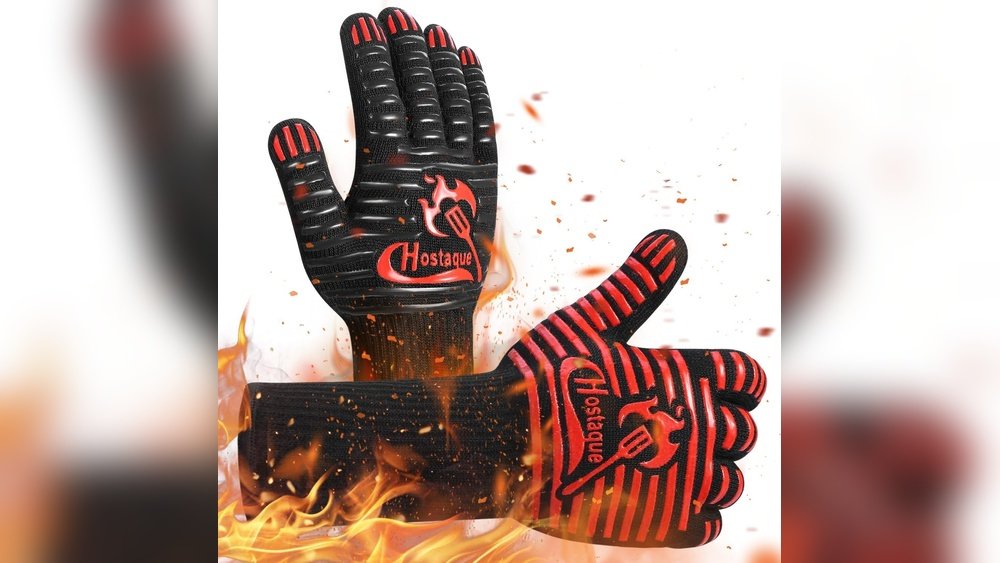
Barbecue gloves may seem like a small detail, but anyone who cooks over open fire knows they are essential. Whether you’re a backyard beginner or a pitmaster, the right gloves can protect your hands, improve your cooking, and make your BBQ experience safer and more comfortable. Let’s explore everything you need to know about BBQ gloves—from materials, features, and buying tips, to cleaning and real-life examples.
Why Bbq Gloves Matter
Barbecue is about fun, food, and fire. But open flames, hot grill grates, and sizzling pans can quickly turn dangerous if you’re not careful. BBQ gloves do more than just shield your hands. They offer:
- Heat protection: Prevent burns from grills, smokers, and hot pans.
- Grip and dexterity: Handle tools, turn meat, and move hot items with confidence.
- Cleanliness: Protect from grease, sauces, and messy ingredients.
- Safety: Reduce risk of accidents caused by slippery hands or sudden pain.
Many people think oven mitts or regular kitchen gloves are enough, but BBQ gloves are designed for higher temperatures, rougher surfaces, and outdoor use. Using the right gloves can make a big difference in both safety and performance.
Types Of Bbq Gloves
The world of BBQ gloves is more varied than most expect. Each type has its strengths and weaknesses, depending on how you cook and what you need.
Silicone Bbq Gloves
Silicone gloves are flexible, waterproof, and easy to clean. They’re popular for handling hot food directly, such as pulling pork or moving ribs. Silicone is also resistant to stains and odors, so gloves stay fresh longer.
Pros:
- Heat-resistant up to 450°F–500°F
- Non-stick and easy to wash
- Good grip, even when wet
Cons:
- Less comfortable for long wear
- Not always flexible enough for fine tasks
- Can feel slippery with greasy foods
Leather Bbq Gloves
Leather gloves are classic for grilling and open-fire cooking. Thick leather protects against heat, sparks, and rough surfaces. They’re ideal for tasks like moving logs, adjusting grill grates, or working with cast iron.
Pros:
- High heat protection (up to 932°F with some brands)
- Durable and tough
- Comfortable for long grilling sessions
Cons:
- Not waterproof; can absorb moisture and grease
- Harder to clean; need special care
- Bulkier, less dexterity for small tasks
Aramid Fiber Gloves
Aramid fibers (like Kevlar or Nomex) are used in firefighter gear. BBQ gloves made from aramid provide top-level heat resistance and flexibility. Most aramid gloves are lined with silicone or rubber for extra grip.
Pros:
- Extreme heat protection (up to 932°F)
- Lightweight and flexible
- Often machine washable
Cons:
- Not waterproof
- May absorb odors and stains
- Can wear out faster if exposed to sharp edges
Cotton-lined Gloves
Some BBQ gloves use cotton lining inside for comfort. This helps with sweat absorption and makes gloves more pleasant for long grilling sessions. However, cotton itself isn’t heat-resistant, so the outer layer must be strong.
Pros:
- Comfortable for extended use
- Reduces sweating and irritation
Cons:
- Cotton can burn if exposed directly to flame
- Harder to clean
Comparison Of Bbq Glove Materials
To make the differences clearer, here’s a comparison table:
| Material | Heat Resistance | Waterproof | Cleaning Ease | Comfort | Grip |
|---|---|---|---|---|---|
| Silicone | Medium (450–500°F) | Yes | Easy | Fair | Good |
| Leather | High (up to 932°F) | No | Moderate | Good | Fair |
| Aramid Fiber | Very High (up to 932°F) | No | Easy | Excellent | Excellent |
| Cotton-Lined | Depends on outer layer | No | Moderate | Excellent | Fair |
Choosing The Right Bbq Gloves
Picking the best BBQ gloves depends on your needs, cooking style, and budget. Here are the factors you should consider:
Heat Resistance
Heat resistance is the most important feature. Most grills reach temperatures of 400°F–600°F, but some tasks (like working with charcoal or wood-fired ovens) require protection up to 932°F. Check the manufacturer’s heat rating, not just the material.
Fit And Dexterity
Gloves that are too loose can slip off or make it hard to grip tools. If gloves are too tight, your hands may sweat or feel uncomfortable. Try gloves on if possible, or check sizing guides. Dexterity is key for handling tongs, turning meat, or moving food.
Grip
Many gloves have textured surfaces or silicone dots for better grip. This helps prevent slips when handling greasy or wet foods. Poor grip is a common beginner mistake—choose gloves that let you hold tools securely.
Length
Long gloves protect not just your hands, but also your wrists and forearms. This is important for reaching over hot grates, adjusting coals, or moving heavy pans. Short gloves are easier for quick tasks, but offer less protection.
Cleaning And Maintenance
BBQ gloves get dirty fast. Easy cleaning is important, especially if you handle raw meat or sticky sauces. Silicone gloves can be washed with soap and water. Aramid gloves are often machine washable. Leather gloves need special care—wiping and oiling to keep them soft.
Waterproofing
If you grill in rain, handle wet foods, or wash gloves often, waterproofing matters. Silicone is best for waterproof gloves. Leather and aramid are not waterproof, but some brands offer water-resistant coatings.
Price And Brand Reputation
BBQ gloves range from $10 to $60. Higher price often means better materials and durability, but not always. Look for trusted brands and real user reviews. Avoid cheap gloves that promise high heat resistance but break down quickly.
Mistakes To Avoid When Buying Bbq Gloves
Many buyers make simple errors when choosing BBQ gloves. Here are the most common mistakes, and how to avoid them:
- Ignoring heat ratings: Not all gloves protect against the same temperatures. Always check the actual heat limit.
- Choosing the wrong material: Some gloves are great for handling food, others for adjusting equipment. Match the glove to your main BBQ tasks.
- Buying the wrong size: Ill-fitting gloves can cause accidents or discomfort. Use sizing charts and read reviews.
- Ignoring cleaning instructions: If you hate hand-washing, avoid leather gloves. Pick machine-washable gloves for easy care.
- Choosing style over substance: Cool-looking gloves aren’t always the safest. Focus on features and function, not just appearance.
- Not checking for certifications: Look for gloves tested by independent labs, especially for high heat claims.
Real-life Examples: Bbq Gloves In Action
Let’s look at how different types of BBQ gloves perform in real situations.
Grilling Steaks
When grilling steaks at high heat, leather gloves protect against flare-ups and hot grates. Their thick material makes it easier to move cast iron pans and adjust grill positions.
Smoking Ribs
For low-and-slow smoking, aramid fiber gloves allow you to handle racks, turn meat, and check temperatures without burning your hands. Their flexibility is perfect for tasks that need precision.
Pulling Pork
Silicone gloves shine when you need to shred pork or chicken. They let you touch hot meat directly and are easy to clean after handling greasy food.
Working With Charcoal
Adjusting charcoal or wood chips needs gloves that protect from heat and sparks. Leather gloves are best here—they shield your hands from both heat and rough edges.
Outdoor Bbq In Rain
If you’re grilling outside in wet conditions, waterproof silicone gloves keep your hands dry and safe from steam or boiling water.
Data: Bbq Glove Popularity And Usage
In a 2026 survey by the National Barbecue Association, 67% of American grillers said they use specialized BBQ gloves, up from 54% in 2018. Among those who bought new gloves, 38% chose aramid fiber for its high heat resistance, while 29% picked silicone for easy cleaning.
Burn injuries during outdoor cooking dropped by 22% among users who wore proper gloves. Most common injuries were caused by grabbing hot grill parts without gloves, especially during summer months.
How To Use Bbq Gloves Safely
Using BBQ gloves isn’t just about wearing them. Here’s how to maximize safety:
- Check for damage: Inspect gloves for holes, tears, or worn spots before each use.
- Wear both gloves: Don’t just use one hand. Accidents often happen when the other hand is unprotected.
- Avoid direct flame: Even high-heat gloves can burn if exposed to direct fire for too long.
- Clean after each use: Leftover grease or sauce can weaken glove materials or cause bad odors.
- Store properly: Keep gloves dry and out of direct sunlight to prevent fading or cracking.
Cleaning And Maintaining Bbq Gloves
Care depends on material. Here’s a guide:
Silicone Gloves
- Wash with warm, soapy water.
- Rinse and air dry.
- Avoid harsh chemicals.
Leather Gloves
- Wipe with a damp cloth.
- Air dry; never use a dryer.
- Occasionally apply leather oil to keep soft.
- Don’t soak in water.
Aramid Fiber Gloves
- Machine wash on gentle cycle.
- Air dry.
- Avoid bleach and strong detergents.
Cotton-lined Gloves
- Wash according to outer material instructions.
- Air dry to prevent shrinking.
Regular cleaning keeps gloves hygienic and extends their life. Gloves that are greasy or stiff are more likely to slip or tear.
Bbq Gloves Vs. Oven Mitts
Many people use oven mitts for BBQ, but they don’t offer the same protection. Here’s a comparison:
| Feature | BBQ Gloves | Oven Mitts |
|---|---|---|
| Heat Resistance | High (up to 932°F) | Medium (up to 400°F) |
| Dexterity | Excellent (finger movement) | Poor (mitt shape) |
| Grip | Good (textured) | Fair |
| Cleaning | Easy (depends on material) | Easy |
| Outdoor Use | Designed for BBQ | Indoor only |
Advanced Features: What Makes A High-end Bbq Glove
Some BBQ gloves go beyond basics. Here are features found in top-tier models:
- Double-layer protection: Two materials (like aramid and silicone) for extra safety and grip.
- Extended cuffs: Protect forearms from heat and sparks.
- Touchscreen compatibility: Some gloves allow phone use for checking recipes or timers.
- Hanging loops: Easy storage on hooks or grills.
- Certified heat ratings: Tested by labs for reliable protection.
- Food-safe certification: Important if you touch meat directly.
High-end gloves often cost more, but these features offer real benefits for frequent grillers.

Credit: www.amazon.com
Top Bbq Glove Brands
Some brands are known for quality and reliability. Here are a few:
- Rapicca: Popular for long, thick leather gloves.
- G&F Products: Known for affordable aramid fiber gloves.
- Grill Armor: Offers high-heat aramid gloves with silicone grip.
- Ekogrips: Famous for silicone gloves with food-safe certification.
- Weber: Trusted for durable and comfortable gloves.
When choosing a brand, look for real user feedback, warranty, and safety certifications.
How Bbq Gloves Improve Cooking
BBQ gloves don’t just protect. They make grilling easier:
- Confidence: Move food and equipment without fear of burns.
- Speed: Handle hot items quickly, reducing downtime.
- Precision: Fingered gloves allow fine tasks like turning sausages or checking meat.
- Cleanliness: Keep hands clean when handling messy foods.
Many grillers find their cooking improves when they use proper gloves. For example, pitmasters report fewer dropped tools and better control over meat placement.
Bbq Gloves For Different Cooking Styles
Different BBQ styles need different gloves. Here’s how to match glove to method:
Traditional Grilling
Leather or aramid gloves are best for high heat and rough surfaces.
Smoking
Aramid gloves offer flexibility for turning meat and checking temps.
Rotisserie
Long gloves protect from hot, spinning parts.
Direct Food Handling
Silicone gloves are ideal for pulling or shredding meat.
Open Fire Cooking
Thick leather gloves shield from sparks and heat.
Matching gloves to style helps avoid burns and improves performance.
Bbq Gloves For Indoor Cooking
Some BBQ gloves work well indoors, especially for oven cooking, broiling, or handling cast iron. Silicone gloves can replace oven mitts for baking. Aramid gloves are useful for pizza ovens or indoor grilling.
Not all gloves are food-safe, so check before using for direct food contact.

Credit: www.leevalley.com
Bbq Gloves For Camping And Outdoor Cooking
Outdoor cooking often means unpredictable conditions. Leather gloves are tough for wood fire and rough surfaces. Waterproof silicone gloves are useful for rainy weather or washing dishes.
Keep gloves dry and clean, as dirt and moisture can reduce heat protection.
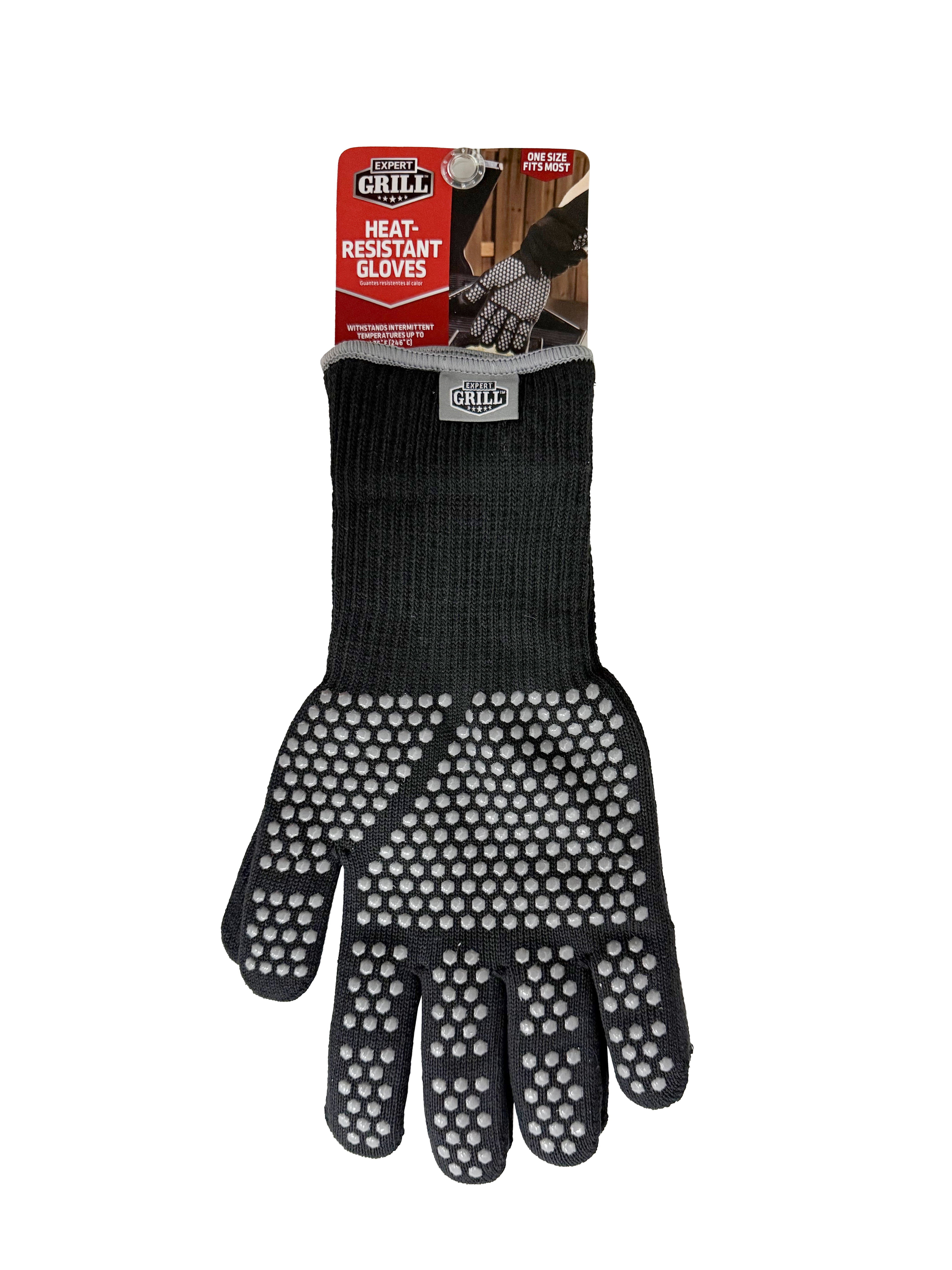
Bbq Gloves For Professional Use
Professional chefs and caterers rely on high-quality gloves. Features include:
- Certified heat ratings
- Long cuffs
- Machine washable materials
- Bulk purchase options
Professionals often need gloves that survive repeated high-heat use and frequent washing.
Credit: www.walmart.com
Bbq Gloves For Special Needs
Some people have special requirements, such as:
- Small or large hands: Look for brands with wide size ranges.
- Sensitive skin: Choose gloves with soft, hypoallergenic linings.
- Limited mobility: Flexible gloves help with grip and movement.
If you have allergies or skin issues, check glove materials carefully.
How To Store Bbq Gloves
Proper storage keeps gloves safe and ready:
- Hang on hooks: Prevents creasing and keeps gloves dry.
- Store away from heat: Avoid direct sunlight or hot areas.
- Keep clean: Store gloves only after washing and drying.
Incorrect storage (like leaving gloves wet or near the grill) can cause materials to break down.
Bbq Gloves In Different Countries
BBQ glove preferences vary worldwide. In the US, aramid fiber gloves are most popular. In Australia, leather gloves are favored for outdoor barbecues. In Japan, silicone gloves are used for grilling seafood and vegetables.
Local cooking traditions affect glove choice. For example, Korean BBQ often uses gloves for direct food handling, while South African braai prefers long, thick gloves for wood fire.
Bbq Glove Safety Tips For Kids And Families
If children help with BBQ, choose gloves sized for small hands. Teach kids to keep gloves dry and clean, and always supervise near heat. Family packs often include adult and child sizes.
Never let kids use gloves for direct flame or heavy equipment.
Bbq Gloves And Sustainability
Some brands offer eco-friendly gloves made from recycled materials or sustainable leather. Check for certifications if you care about environmental impact. Reusable gloves are better than disposable ones for reducing waste.
Bbq Gloves And Allergies
People with latex allergies should avoid silicone gloves. Choose gloves labeled as latex-free or hypoallergenic. If you react to synthetic materials, try leather or cotton-lined gloves.
Bbq Gloves And Technology
Modern BBQ gloves may include smart features:
- Touchscreen tips: Use phones or tablets without removing gloves.
- Heat sensors: Some gloves have built-in thermometers.
- LED lights: For grilling at night.
These features are rare but growing in popularity.
Bbq Gloves And Competition Bbq
In competitive BBQ, gloves are essential. Teams use gloves for handling hot pans, moving meat, and keeping hands clean. Many competitions require food-safe gloves for meat handling.
Bbq Gloves In Restaurants
Restaurants use gloves for safety and hygiene. Kitchen staff may use aramid gloves for ovens, while grill chefs use leather gloves for high-heat tasks. Health codes often require gloves for direct food contact.
Bbq Gloves And Food Safety
Always use food-safe gloves when touching meat or vegetables. Gloves labeled as “for BBQ only” may not meet food safety standards. Look for FDA-approved or food-safe certification.
Bbq Gloves And Gift Ideas
BBQ gloves make great gifts for grillers. Pair gloves with utensils, sauces, or cookbooks for a complete package. Look for gloves with gift packaging or bundles.
Bbq Gloves And Accessories
Many gloves come with accessories, such as:
- Storage bags
- Cleaning brushes
- Hooks for hanging
These extras can add value and convenience.
Bbq Gloves And Replacement
Replace gloves when:
- Material is cracked or torn
- Grip is lost
- Gloves smell bad even after cleaning
- Heat protection is reduced
Don’t wait for visible holes—gloves can lose protection before they break.
Bbq Gloves And Reviews
Before buying, read real reviews. Look for feedback on heat resistance, comfort, and durability. Ignore reviews that only mention looks or price.
Bbq Gloves And Certification
Some gloves are certified by safety organizations (like ASTM or CE). Certification means gloves were tested for heat, durability, and safety. Choose certified gloves for peace of mind.
Bbq Gloves And Warranty
Check for warranty or satisfaction guarantees. Many brands offer free replacement if gloves fail within the first year.
Bbq Gloves And Storage Solutions
If you have multiple pairs, use a dedicated storage box or drawer. Keep gloves sorted by material and use.
Bbq Gloves And Customization
Some brands offer custom colors, embroidery, or sizes. Personalized gloves are popular for teams, gifts, or branding.
Bbq Gloves And Cleaning Frequency
Clean gloves after every use, especially if handling raw meat. Let gloves dry fully before storing.
Bbq Gloves And Replacement Frequency
Most gloves last 1–2 years with regular use. Heavy-duty gloves may last longer. Replace if heat resistance drops or material breaks down.
Bbq Gloves And External Resources
For more details on BBQ glove safety, see National Fire Protection Association.
Frequently Asked Questions
What Is The Best Material For Bbq Gloves?
The best material depends on your needs. Aramid fiber offers the highest heat resistance and flexibility. Silicone is best for waterproofing and easy cleaning. Leather is ideal for tough, outdoor tasks and rough surfaces.
How Do I Clean Bbq Gloves?
Cleaning methods depend on material. Silicone gloves can be washed with soap and water. Aramid gloves are often machine washable. Leather gloves need careful wiping and occasional oiling. Always check manufacturer instructions.
Can I Use Bbq Gloves For Handling Food Directly?
Yes, but only if gloves are food-safe. Silicone gloves are usually safe for direct food contact. Aramid and leather gloves may be food-safe, but check certifications. Avoid using gloves labeled “for BBQ only” with raw meat.
How Long Do Bbq Gloves Last?
Most gloves last 1–2 years with regular use. Heavy-duty gloves may last longer. Replace gloves if heat protection drops, material breaks, or gloves smell bad after cleaning.
Are Bbq Gloves Safe For Kids?
Some brands offer child-sized gloves. Always supervise children near heat and teach proper glove use. Never let kids handle hot equipment or direct flames, even with gloves.
Final Thoughts
BBQ gloves are a simple but powerful tool for anyone who cooks with fire. They protect your hands, improve grip, and make grilling safer and more enjoyable. With so many materials, features, and styles, there’s a glove for every need—from backyard beginners to professional chefs.
Remember to choose gloves based on heat resistance, comfort, and cleaning ease. Avoid common mistakes, check for certifications, and keep gloves clean and dry. The right BBQ gloves can help you cook better, stay safe, and enjoy every barbecue moment.