Smoker Accessories: Must-Have Tools for Perfect BBQ Results
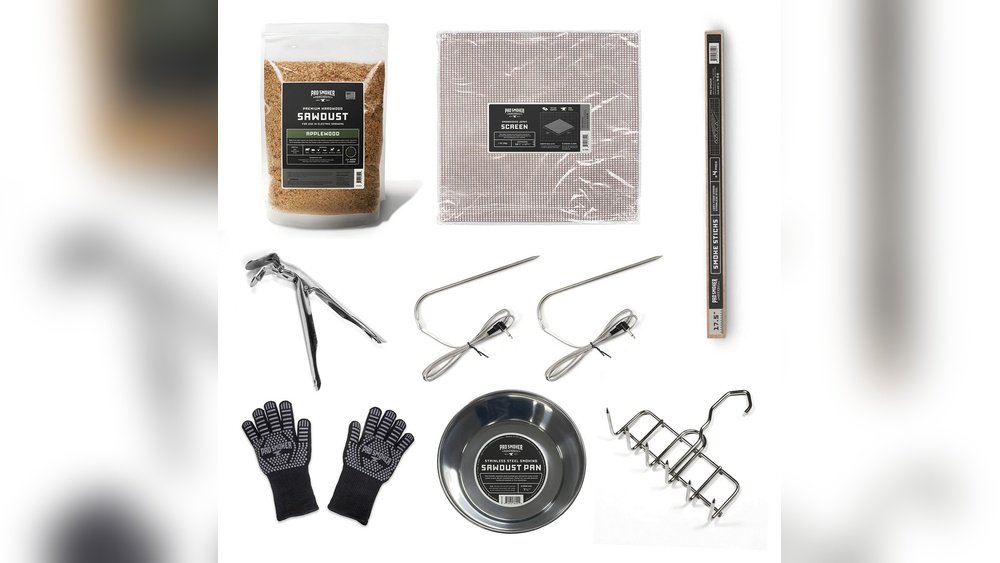
Smoking food has become more popular than ever, from backyard barbecue fans to professional chefs. People love the taste and aroma that smokers add to meat, fish, vegetables, and even cheeses. But owning a smoker is just the beginning. To get the best results, you need the right smoker accessories. These tools help you cook more easily, improve flavor, and keep your smoker running smoothly. Whether you’re new to smoking or you’ve been at it for years, understanding these accessories can help you avoid mistakes and get more value from your smoker.
Some accessories are essential, while others are optional or for special tasks. Many beginners think that just a smoker and some wood chips are enough. But soon, they discover problems: uneven cooking, messy cleanups, or even ruined meat. The right accessories make a big difference. In this article, you’ll learn about the most important smoker accessories, how to choose them, practical examples, and mistakes people often make. You’ll also see data and comparisons to help you decide what’s best for your needs. By the end, you’ll feel confident about upgrading your smoking experience.
Essential Smoker Accessories
Not every accessory is necessary, but some are almost required for safe, tasty, and stress-free smoking. Let’s look at the items every smoker owner should consider.
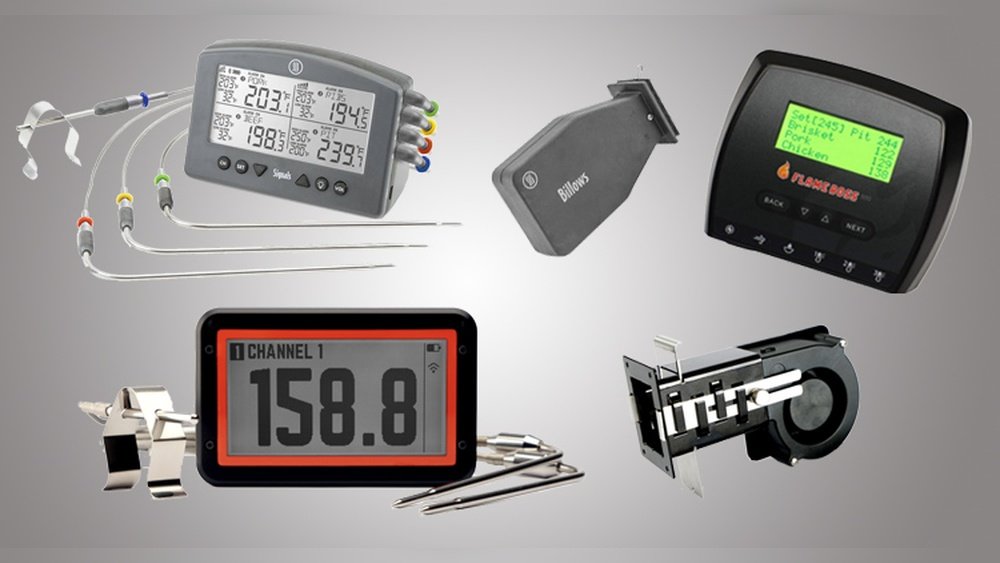
Thermometers
Many smokers come with built-in thermometers, but these are often unreliable or placed in a spot that doesn’t show the real temperature where your food sits. A good digital thermometer helps you avoid undercooked or burnt food.
- Probe Thermometers: These measure the inside temperature of meat. Some models let you monitor several pieces at once, which is useful if you’re cooking different types of meat or want to check multiple spots for even doneness.
- Ambient Thermometers: These check the air temperature inside the smoker. Keeping the right temperature is key for slow cooking and helps avoid rapid temperature swings that can ruin delicate foods like fish.
A study from the USDA found that over 60% of grill and smoker owners use inaccurate thermometers, leading to unsafe food or poor results. Investing in a quality thermometer is one of the best ways to improve your smoking.
An extra tip: Always calibrate your thermometer before a big cook. Place the probe in boiling water and check if it reads 212°F (100°C). If not, adjust or note the difference. Many beginners miss this simple calibration, which leads to confused results.
Wood Chips, Chunks, And Pellets
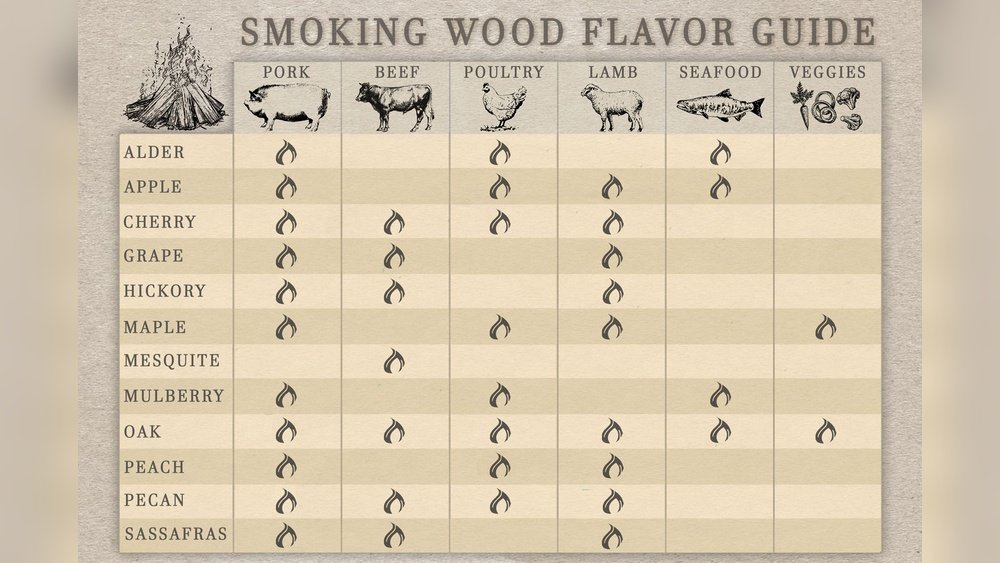
The type and quality of wood you use affects flavor more than most beginners realize. Each wood brings a unique taste:
- Mesquite: Strong, earthy flavor, best for beef
- Apple: Mild, sweet, good for pork and poultry
- Hickory: Bold, bacon-like, works with many meats
Some smokers use pellets, others use chips or chunks. Make sure you buy food-grade wood, not lumber or wood for fireplaces, which can contain chemicals.
For example, using cherry wood with chicken can add a subtle sweetness and a reddish color to the skin. On the other hand, using too much mesquite on delicate fish can overpower the natural flavor and create bitterness. Experimenting with wood blends is a fun way to create your own signature taste.
Remember, store your wood in a dry place. Wet or moldy wood can ruin food and create unhealthy smoke.
Chimney Starter
Lighting charcoal or wood can be tricky. A chimney starter helps you start coals quickly and evenly, without lighter fluid or chemicals. This avoids off-tastes and saves time. Most professionals use chimney starters because they guarantee consistent heat and easy lighting.
A common mistake is overfilling the chimney starter. Only fill it as much as needed for your smoker size. Overloading can slow down ignition and make temperature control harder. If you smoke often, consider getting a large and a small chimney for different batch sizes.
Water Pan
Many smokers have a spot for a water pan. Adding water helps control temperature and keeps meat moist. It also creates a gentle steam that prevents drying out. You can add herbs or juice to the water for extra flavor.
For example, adding apple juice or a few sprigs of rosemary to the water pan can subtly enhance the aroma and taste of pork or chicken. Just be careful not to overfill the pan, as too much water can make temperature control difficult, especially in smaller smokers.
Heat-resistant Gloves
Handling hot grates, pans, or coals can cause burns. Heat-resistant gloves protect your hands and let you move food safely. Look for gloves rated for at least 500°F (260°C).
An often-overlooked detail: Some gloves are not waterproof. If you’re working with steam or sauces, make sure your gloves protect against hot liquids as well as heat. Gloves with a textured grip also help prevent dropped pans or slippery tools.
Grill Brush Or Scraper
Keeping your smoker clean is important for taste and safety. A grill brush or scraper removes grease and burnt food. Stainless steel bristles work well, but some prefer bristle-free scrapers for safety.
Some users worry about bristles coming loose and sticking to the grill. If you’re concerned, look for brushes with tightly packed bristles or choose a coil-style or wooden scraper. Cleaning the grill after each use, while it’s still warm, makes the job much easier.
Drip Pan
A drip pan catches fat and juices from meat, preventing flare-ups and making cleanup easier. It can also be used to collect drippings for sauces.
Try placing chopped onions, carrots, or herbs in the drip pan. As the fat drips down, it creates flavorful juices you can use for gravy or basting. Just don’t let the pan dry out—check it during long cooks.
Meat Injector
Some meats, like brisket or turkey, benefit from extra moisture and flavor inside. A meat injector lets you add marinades or brine directly into the meat. This helps keep meat juicy and flavorful.
When injecting, move the needle around to different spots to distribute liquid evenly. Pull the needle out slowly as you inject, which spreads the marinade through the fibers. This small detail helps prevent dry patches in large cuts.
Bbq Tongs And Spatulas
Strong, long BBQ tongs and spatulas are needed for turning or moving food. Choose tools with non-slip grips and enough length to keep hands away from heat.
Look for tongs that lock shut for easy storage and spatulas with a thin edge for slipping under delicate items like fish. Having two sets—one for raw meat and one for cooked food—also helps avoid cross-contamination.
Advanced Smoker Accessories
Once you master the basics, advanced accessories can help you take your smoking to the next level. These tools are often used by competition cooks and experienced enthusiasts.
Bluetooth/wi-fi Thermometers
Modern thermometers connect to your phone, letting you monitor temperatures from a distance. These are especially useful for long smoking sessions, so you don’t have to check the smoker constantly.
- Multi-probe models: Track several pieces of meat and the ambient temperature at once.
- Alarms: Alert you if the temperature goes out of range.
Imagine relaxing with friends or watching a game while your phone keeps you updated on your brisket’s progress. Some models even let you log data and review temperature changes, which helps perfect your method over time.
Rib Racks
A rib rack helps you cook several racks of ribs at once by standing them up vertically. This saves space and lets smoke reach all sides.
If you host large gatherings, a rib rack is a must. It also prevents ribs from sticking together and helps fat render evenly. Choose a rack with a sturdy base to prevent tipping during long cooks.
Smoking Mats
Smoking mats are non-stick surfaces for delicate foods like fish, vegetables, or cheese. They prevent sticking and make cleanup easier.
Reusable mats are especially handy for foods that might break apart on regular grates. They also keep smaller items like shrimp or sliced peppers from falling through the grill. Always wash mats thoroughly, as grease can build up.
Cold Smoke Generators
If you want to smoke cheese, fish, or nuts, you need cold smoke—smoke without heat. A cold smoke generator lets you add smoky flavor without cooking the food.
For example, cold-smoking salmon or cheese lets you enjoy smoky flavors that would melt or cook with regular heat. Cold smoke generators require careful setup to keep temperatures below 90°F (32°C), so always monitor closely.
Basting Brushes
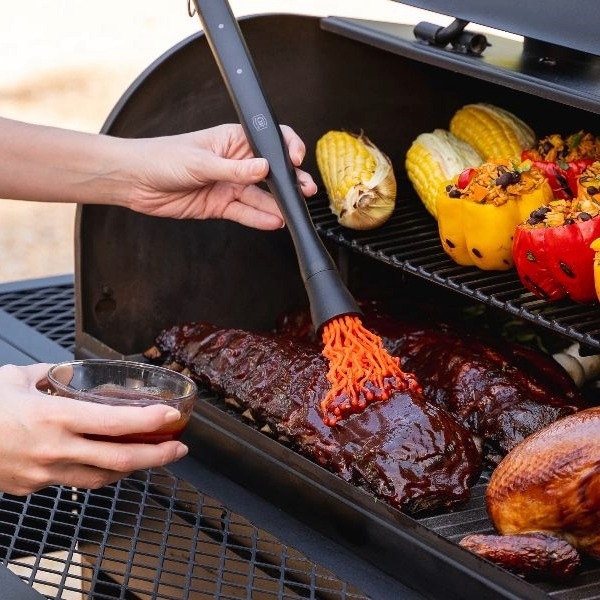
A basting brush is useful for adding sauce, butter, or marinade during smoking. Silicone brushes are easy to clean and heat-resistant.
For thicker sauces, look for brushes with wider bristles that hold more liquid. Some experienced cooks keep a separate brush for sweet sauces to avoid cross-flavoring with spicy or savory glazes.
Pellet Tube Or Maze
Some pellet smokers don’t produce enough smoke. A pellet tube or maze accessory burns pellets slowly, creating more smoke for stronger flavor.
You can use these tubes in almost any smoker to boost smoke for cheese, nuts, or even jerky. Fill them with your favorite wood pellets, light one end, and place them near the heat source for up to 4 hours of extra smoke.
Rotisserie Kits
If your smoker supports it, a rotisserie kit lets you cook whole chickens, roasts, or other large cuts evenly. The meat turns automatically for uniform cooking.
Rotisserie cooking keeps meat juicy by constantly basting itself in its own juices. For best results, use a drip pan under the meat to catch the flavorful drippings.
Grill Thermometer Table
Let’s compare common types of smoker thermometers for accuracy and convenience.
| Type | Accuracy | Ease of Use | Price Range |
|---|---|---|---|
| Built-in Analog | Low | Easy | $10–$30 |
| Digital Probe | High | Moderate | $20–$80 |
| Bluetooth/Wi-Fi | Very High | Easy | $40–$150 |
As you can see, digital and wireless thermometers offer much better accuracy. Beginners often ignore this, but it’s one of the best upgrades you can make. For example, if you smoke a brisket for 10 hours, even a 10°F error can mean a dry or undercooked meal.
Cleaning And Maintenance Accessories
A well-maintained smoker lasts longer and produces better-tasting food. Cleaning accessories help you avoid rust, buildup, and off-flavors.
Ash Scoop Or Vacuum
Wood and charcoal smokers create ash. An ash scoop or vacuum lets you remove ash quickly, so airflow stays strong and the smoker works well.
A tip: Wait until the ashes are completely cool before cleaning, but don’t leave them for weeks, as moisture can turn ash into a sticky mess that’s hard to remove. Some advanced vacuums have filters that prevent fine ash from blowing into the air.
Cleaning Solution
Food residue and grease can build up over time. Use a smoker-safe cleaning solution—not harsh chemicals—to clean grates, walls, and pans.
Homemade solutions using vinegar and baking soda are effective and safe for most surfaces. Avoid using bleach or oven cleaners, which can leave harmful residues or damage coatings.
Protective Cover
A smoker cover protects your equipment from rain, dust, and sun. This prevents rust and keeps your smoker looking new.
Covers with air vents allow moisture to escape, preventing mold and mildew. Make sure the cover fits snugly but can be removed easily for quick use.
Replacement Gaskets
Gaskets seal the doors and lids of smokers, keeping smoke and heat inside. Over time, they wear out. Replacement gaskets help maintain proper sealing.
Check your gaskets twice a year for cracks or gaps. A poor seal leads to heat loss and uneven smoking. Self-adhesive gasket strips are easy to install and make a noticeable difference.
Maintenance Comparison Table
Here’s a quick comparison of cleaning accessories for smokers.
| Accessory | Purpose | Frequency of Use | Cost |
|---|---|---|---|
| Brush/Scraper | Remove food residue | After every use | $10–$25 |
| Ash Scoop/Vacuum | Remove ash | Weekly/Monthly | $15–$60 |
| Protective Cover | Prevent weather damage | Always | $20–$80 |
| Cleaning Solution | Deep clean smoker | Monthly | $8–$25 |
Taking a few minutes after each cook to clean and maintain your smoker can save hours of scrubbing later and ensure safer, tastier results every time.
Accessories For Different Smoker Types
There are several types of smokers, and some accessories work better with certain models. Understanding your smoker type helps you pick the right tools.
Offset Smokers
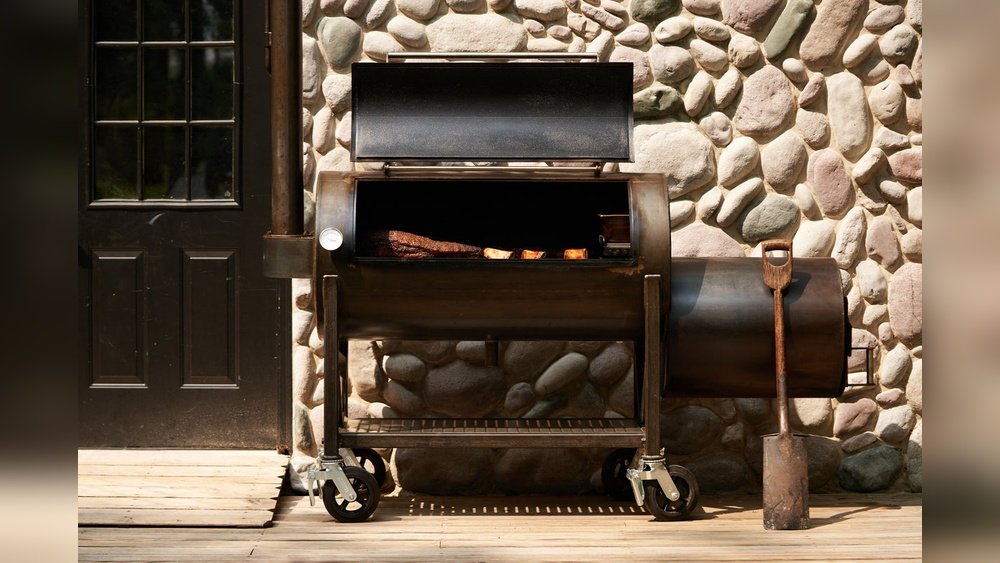
These have a firebox on the side and a large cooking chamber. Accessories for offset smokers:
- Charcoal baskets: Help control heat and make adding fuel easier.
- Fire management tools: Poker and rake for moving wood or coals.
- Heat shields: Balance temperature across the chamber.
For example, adding a heat shield or tuning plate to an offset smoker can solve uneven cooking—one of the most common beginner problems. Without these, you may find one side of the meat cooks much faster than the other.
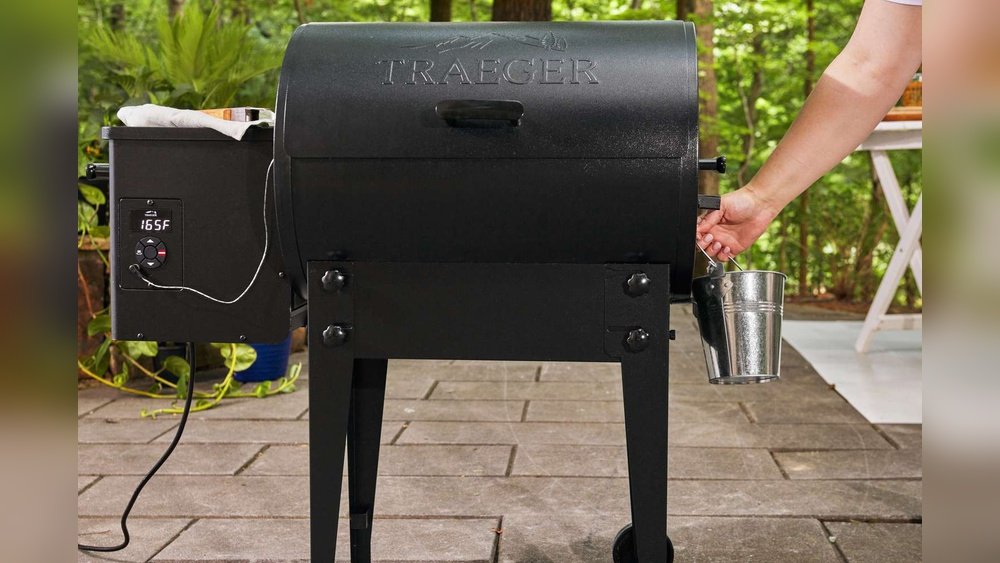
Pellet Smokers
Pellet smokers use compressed wood pellets and have automatic feeding systems.
- Pellet storage bins: Keep pellets dry and ready to use.
- Auger cleaning kits: Maintain the pellet feed system.
- Extra pellet tubes: Boost smoke output.
Moisture can cause pellets to swell and jam the auger. A good storage bin with a tight lid prevents this common headache and keeps your smoker running smoothly.
Electric Smokers
Electric smokers are easy to use and control.
- Extra racks: Increase cooking space.
- Water pans: Add moisture, since electric smokers can dry out food.
- Surge protectors: Protect electronics from power spikes.
If you live in an area with frequent storms, a surge protector can save you from costly repairs. Extra racks let you smoke jerky, fish, or sausage in larger batches, maximizing efficiency.
Kamado And Ceramic Smokers
Kamado smokers are made of thick ceramic and retain heat well.
- Ceramic grill deflectors: Create indirect heat zones.
- Ash removal tools: Designed for narrow openings.
- Special covers: Fit unique shapes.
Kamados are heavy and often have small ash doors. A custom ash tool makes cleaning much easier and helps avoid accidental damage to the ceramic.
Comparison Table: Smoker Type Accessories
| Smoker Type | Key Accessories | Typical Price Range |
|---|---|---|
| Offset | Charcoal basket, fire tools, heat shield | $15–$80 |
| Pellet | Pellet bin, auger kit, pellet tube | $20–$100 |
| Electric | Extra rack, water pan, surge protector | $10–$50 |
| Kamado | Deflector, ash tool, cover | $25–$120 |
Accessory Materials And Safety
When choosing smoker accessories, pay attention to materials and safety. Not all products are made equal, and using the wrong material can be dangerous or ruin your food.
Stainless Steel
Stainless steel is strong, rust-resistant, and easy to clean. Most high-quality tools, grates, and pans are made from stainless steel. It also withstands repeated heating and cooling without warping.
Silicone
Silicone is used for basting brushes, mats, and gloves. It’s heat-resistant and easy to wash. High-grade silicone won’t melt or release chemicals up to about 500°F (260°C).
Food-grade Plastics
Food-grade plastics are safe for contact with food, but avoid cheap plastics near heat. Always check manufacturer ratings—some plastics labeled “food safe” are only meant for cold foods.
Wood
Some accessories, like skewers or cutting boards, are made from hardwood. Avoid softwood, which can break or release harmful sap.
Bamboo is a popular hardwood for cutting boards because it’s durable, easy to clean, and gentle on knife edges.
Avoiding Unsafe Materials
Never use accessories made from galvanized metal or painted surfaces. These can release toxic chemicals when heated.
A survey by the National BBQ Association showed that 25% of smoker owners use at least one unsafe accessory, often because they don’t check material labels. Always look for “food-safe” or “heat-resistant” markings.
An easy check: If an accessory has a strange smell after heating, stop using it. That’s often a sign of unsafe coatings or materials.
Choosing The Right Smoker Accessories
With so many options, picking the right accessories can feel confusing. Here’s how to make smart choices.
Identify Your Needs
Think about the foods you want to smoke and how often you use your smoker. Beginners often buy accessories they never use. Start with essentials, then add advanced tools as you gain experience.
For example, if you mainly smoke ribs and chicken, a rib rack and injector are smart investments. If you love fish, a smoking mat is more useful.
Check Compatibility
Make sure accessories fit your smoker. Racks, covers, and pans come in different sizes. Measure your smoker before buying.
Some companies offer universal accessories, but these may not always fit perfectly. Double-check product details or ask customer service if you’re unsure.
Quality Vs. Price
Cheap tools often break or don’t work well. Look for trusted brands and solid materials. It’s better to buy fewer high-quality accessories than many cheap ones.
A $10 brush that lasts one year is less valuable than a $25 brush that lasts five years and works better. Investing up front pays off over time.
Read Reviews
Online reviews can help you spot problems or hidden benefits. Look for feedback on durability, ease of use, and real-world performance.
Photos from users can show if an accessory really fits your smoker or if it’s hard to clean. Beware of fake reviews—look for detailed feedback from verified buyers.
Avoid Common Mistakes
- Buying too many unnecessary accessories
- Using unsafe materials
- Ignoring proper cleaning tools
- Choosing tools that don’t fit your smoker
One extra tip: Don’t be swayed by fancy packaging. Focus on function and safety.

Credit: www.amazon.com
Accessory Brands And Recommendations
Some brands are known for quality and reliability. While there are many choices, these are often recommended by experts and professionals.
- ThermoWorks: Best for thermometers and temperature tools
- Weber: Wide range of smoker accessories, known for durability
- Char-Broil: Good value, especially for basic tools
- Oklahoma Joe’s: Popular for offset smoker accessories
- Lodge: Cast iron pans and grates
- SiliconeZone: Reliable silicone gloves and mats
Always check that the product fits your smoker and is made from safe materials.
Don’t forget, local barbecue shops often carry high-quality accessories and can offer personalized advice.
Practical Tips For Using Smoker Accessories
Even the best accessories won’t help if used incorrectly. Here are some practical tips to get more from your tools.
- Preheat your smoker before placing food. This helps thermometers read accurately.
- Soak wood chips or chunks in water for 30 minutes before use to create more smoke and slow burning.
- Place drip pans under the meat, not next to it, to catch juices and prevent flare-ups.
- Use heat-resistant gloves when handling hot grates, not regular oven mitts.
- Clean your grill brush after every use to prevent bacteria growth.
- Store wood chips, pellets, and accessories in a dry place to avoid moisture damage.
- Replace gaskets and covers every 1–2 years for best sealing.
- Rotate your meat or change its position during long smokes to ensure even cooking.
- Use separate tools for raw and cooked meats to avoid cross-contamination.
These small habits add up and can make a big difference in both results and safety.

Credit: www.amazon.sa
Common Mistakes With Smoker Accessories
Many beginners make avoidable errors. Understanding these can save you time and money.
Using Cheap Thermometers
Inaccurate thermometers lead to undercooked or burnt meat. Buy a reliable digital thermometer and test it regularly.
Ignoring Cleaning Tools
Skipping cleaning causes grease buildup, bad taste, and even fire risks. Always clean grates, pans, and smoker interiors.
Overloading With Accessories
Too many accessories can clutter your workspace and make cooking harder. Focus on essentials and add only what you need.
Mixing Unsafe Materials
Using non-food-safe metals, plastics, or painted surfaces can release toxins. Always check material labels.
Skipping Compatibility Checks
Accessories that don’t fit your smoker waste money and time. Measure and check compatibility before buying.
Not Using Gloves
Heat-resistant gloves prevent burns. Many people use towels or oven mitts, which aren’t designed for smoker temperatures.
Another common mistake is not reading instructions for new accessories. Even simple tools like injector needles or cold smoke generators work better when used as directed.
Data And Trends In Smoker Accessory Use
Smoking is growing fast in the US and worldwide. The National BBQ Association reports that smoker sales rose by 30% from 2018 to 2026. As more people buy smokers, accessory sales have also increased.
- Thermometer sales: Up 45% from 2020 to 2026
- Wood chip sales: Up 25% in the same period
- Cleaning accessory sales: Up 40%
More people are choosing wireless thermometers and cold smoke generators. Competition-style accessories are becoming popular, even among home cooks.
A non-obvious trend: Accessory bundles are more common now, but they may include items you don’t need. Check the list carefully before buying a package deal.
Smoker Accessory Safety Tips
Safety is often overlooked, but it’s critical for health and peace of mind.
- Always use gloves and tongs to handle hot surfaces.
- Keep children and pets away from smokers while in use.
- Store cleaning solutions and chemicals out of reach.
- Use covers to prevent accidents and weather damage.
- Check for wear and tear on gaskets, racks, and handles.
- Never leave smokers unattended for long periods, especially with new accessories.
- Inspect cords and plugs on electric accessories for cracks or damage.
Upgrading Your Smoker Experience
If you want to enjoy smoking more, upgrading your accessories is one of the best steps. Even small changes—like a new thermometer or basting brush—can make a big difference. Try new accessories as you gain confidence, but focus first on essentials.
Remember that smoking is a journey. The best cooks learn from mistakes and try new tools. Accessories help you experiment, improve, and enjoy better food. Don’t be afraid to ask experts or join online forums to share experiences and get advice.
For more information on smoker safety and accessories, you can visit Wikipedia.
Credit: taferna.cz
Frequently Asked Questions
What Accessories Do I Need For A Beginner Smoker?
For beginners, start with digital thermometers, heat-resistant gloves, grill brushes, wood chips, and a drip pan. These cover safety, flavor, and cleaning. Don’t buy too many advanced tools until you learn your smoker.
Can I Use Any Wood Chips In My Smoker?
No. Always use food-grade wood chips. Avoid chips meant for fireplaces or construction, which can contain chemicals. Different woods create different flavors—try apple, hickory, or mesquite for variety.
How Do I Clean My Smoker Accessories?
Most accessories can be cleaned with warm soapy water. Use smoker-safe cleaning solution for tough grease. Avoid harsh chemicals, especially on surfaces that touch food. Dry everything fully before storing.
Are Wireless Thermometers Worth It?
Yes, especially for long smoking sessions. Wireless thermometers let you monitor temperatures from anywhere, helping prevent overcooking or burning. They’re popular with both home cooks and professionals.
What’s The Most Common Mistake With Smoker Accessories?
The most common mistake is using unsafe or incompatible accessories. People often buy cheap tools that break or don’t fit their smoker. Always check material safety, sizing, and read reviews before buying.
Smoking is both a science and an art. The right accessories make it easier, safer, and tastier. With these tips and tools, you can enjoy better food, less stress, and more fun every time you fire up your smoker.