Smoking Wood Guide: Best Woods for Flavorful BBQ Results
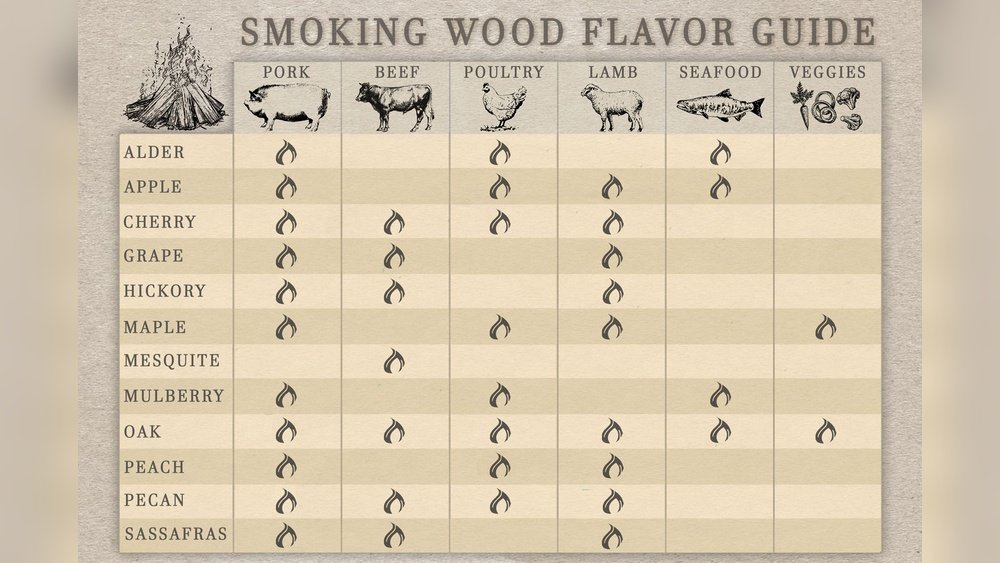
Smoking Wood Guide
Barbecue is not just about cooking meat. It’s about transforming simple ingredients into rich, smoky flavors that stay in your memory. Whether you’re a beginner or a seasoned pitmaster, choosing the right smoking wood is essential for great results. Each wood type brings its own aroma, taste, and character. This guide will help you understand smoking woods, their impact, and how to select the best wood for your recipes. You’ll learn the science behind wood smoke, see comparisons, and get practical advice for every step. If you want to master barbecue flavor, start here.
What Makes Smoking Wood Special?
Most people know that wood creates smoke, but fewer understand the science behind it. When wood burns, it releases compounds like guaiacol and syringol. These molecules give smoked food its classic flavor. But not all woods produce the same smoke. Factors like wood type, moisture, and temperature change the taste.
There are two main categories:
- Hardwoods: From trees like oak, hickory, and maple. They burn slowly and create steady smoke.
- Softwoods: From trees like pine and cedar. They burn faster and produce resin, which can make food taste bitter or even toxic.
For barbecue, always use hardwoods. They are safer and produce better flavor.
Types Of Smoking Wood
The variety of wood can be confusing. Here are the most popular types, with their strengths and best uses.
Fruit Woods
Fruit woods are famous for their light, sweet smoke. They work well with poultry, pork, and fish.
- Apple: Offers mild, sweet smoke. Ideal for chicken and pork. Apple smoke is subtle, so it doesn’t overpower delicate meats.
- Cherry: Adds a light fruity flavor and gives meat a reddish color. Great for ribs, turkey, or beef.
- Peach: Less common but gives gentle sweetness. Excellent with pork and chicken.
- Pear: Similar to apple but even milder. Good for fish and veggies.
Nut Woods
Nut woods are stronger than fruit woods but still gentle compared to hickory.
- Pecan: Slightly richer than fruit woods. Perfect for beef, brisket, and poultry.
- Walnut: Very strong and can be bitter. Use with caution, best blended with lighter woods.
Strong Woods
These woods create bold, intense smoke. They’re best for robust meats.
- Hickory: Classic barbecue wood. Delivers strong, bacon-like flavor. Excellent for ribs, brisket, and pork shoulder. Avoid over-smoking, as it can turn food bitter.
- Oak: Medium to strong smoke, versatile for most meats. Oak is forgiving and rarely overpowers food.
- Mesquite: The most intense. Popular in Texas BBQ. Great for beef, but use sparingly.
- Maple: Milder than hickory, with a touch of sweetness. Good for ham, poultry, and veggies.
Specialty Woods
Some woods are unique and rarely used, but they offer interesting results.
- Alder: Traditionally used for salmon in the Pacific Northwest. Mild and slightly sweet.
- Beech: Used in Europe for smoked sausage and cheese.
- Grape Vine: Delicate, aromatic, and often used for lamb or poultry.
Woods To Avoid
Not all woods are safe for smoking. Some can make food taste bad or even unsafe.
- Pine, fir, spruce, cedar: Full of resin. Create harsh, bitter smoke and can cause health issues.
- Sycamore, eucalyptus, elm: Can be toxic or produce unpleasant flavors.
How Smoking Wood Affects Flavor
Every wood type influences food differently. The smoke infuses meat with unique aromas and flavors. For example, hickory gives pork a deep, savory taste, while apple adds mild sweetness. The real magic comes from matching wood to meat.
Here’s a quick flavor comparison:
| Wood Type | Flavor Strength | Best For |
|---|---|---|
| Apple | Mild & Sweet | Pork, Chicken, Fish |
| Hickory | Strong & Savory | Ribs, Brisket, Pork Shoulder |
| Oak | Medium & Earthy | Beef, Lamb, Sausage |
| Pecan | Medium & Nutty | Beef, Poultry |
| Mesquite | Intense & Spicy | Beef, Game Meats |
| Cherry | Mild & Fruity | Turkey, Ribs |
It’s not just about taste. Smoke changes the color of meat and can affect texture. For example, cherry wood gives a pinkish hue to turkey, while oak deepens the color of beef.
Choosing The Right Wood For Your Meat
Matching wood to meat is one of the most important decisions in barbecue. Here’s how to make the best choice:
Poultry
Poultry is delicate. Strong woods can overpower its flavor. Use lighter woods like apple, cherry, or alder. For a mild touch, try mixing a bit of oak.
Pork
Pork works well with almost any wood. Hickory and apple are the most common. For ribs, combine hickory and cherry for depth and sweetness.
Beef
Beef can handle stronger woods. Oak, hickory, and mesquite are popular. For brisket, many pitmasters use oak because it’s bold but not overwhelming.
Fish
Fish is sensitive to smoke. Alder and fruit woods are best. Avoid hickory and mesquite, as they can mask the natural flavor.
Lamb
Lamb is flavorful and pairs well with oak, grapevine, or beech.
Game Meats
Game meats like venison or duck benefit from mesquite or walnut, but use these woods in moderation.
Credit: www.reddit.com
Forms Of Smoking Wood
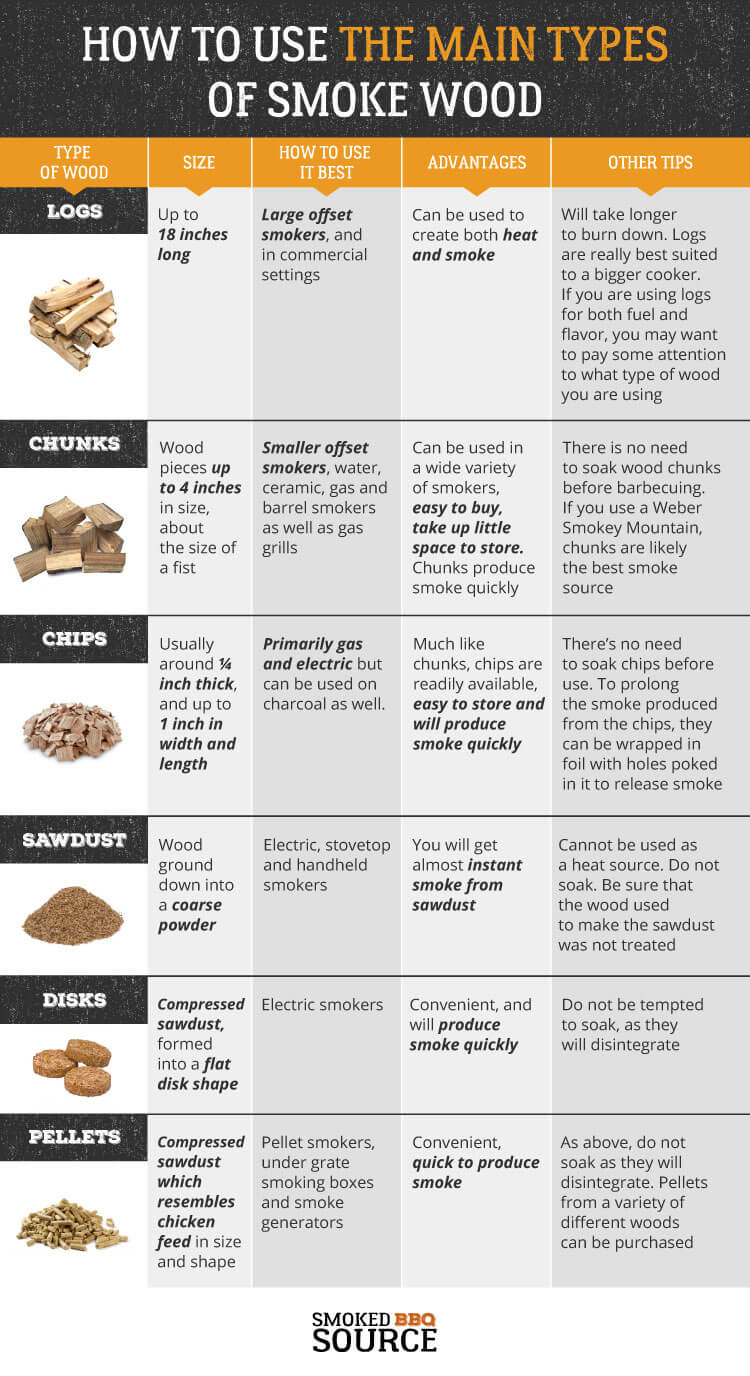
The way wood is prepared makes a big difference. You can buy wood in several forms:
- Chunks: Medium-sized pieces. Good for long cooks in smokers and grills.
- Chips: Small, thin pieces. Burn quickly, ideal for short cooking times.
- Pellets: Compressed sawdust. Used in pellet grills for precise temperature control.
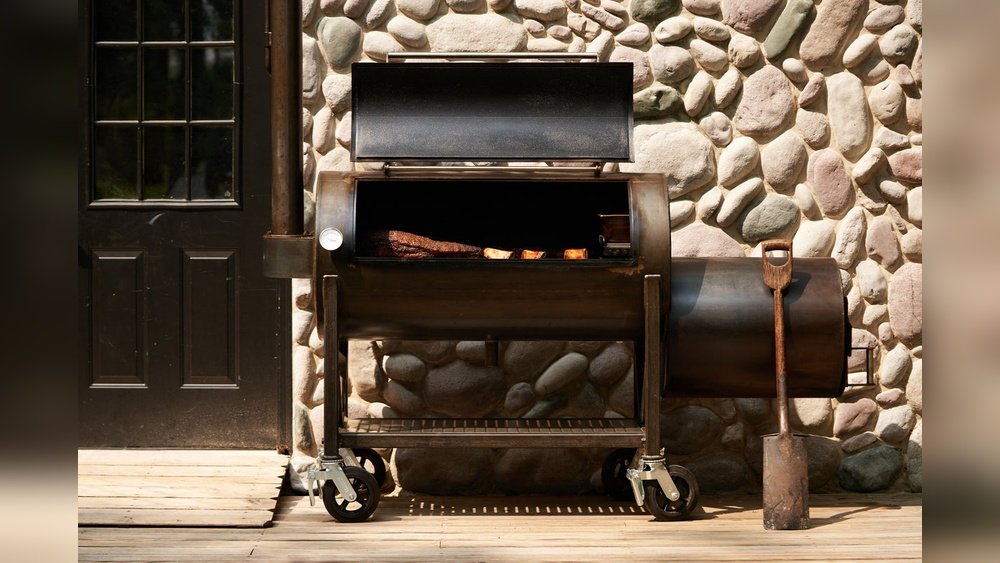
- Logs: Large pieces, used in offset smokers for traditional barbecue.
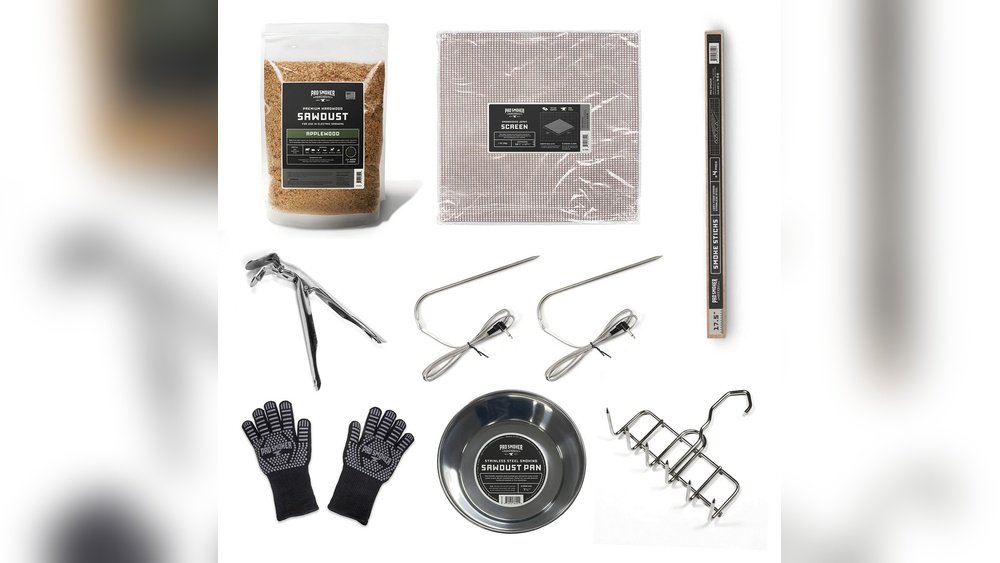
- Sawdust: Used for cold smoking cheese, fish, or sausage.
Each form has its own benefits. For example, chips are easy for beginners but don’t last long. Chunks offer steady smoke for hours. Pellets are clean and consistent.
| Wood Form | Burn Time | Best Use |
|---|---|---|
| Chunks | 2-4 hours | Long cooks, smokers |
| Chips | 30-60 minutes | Quick grilling, gas grills |
| Pellets | 1-3 hours | Pallet grills, controlled smoking |
| Logs | 4-8 hours | Offset smokers, traditional BBQ |
| Sawdust | 10-30 minutes | Cold smoking |
Fresh, Seasoned, And Kiln-dried Wood
The moisture in wood changes the smoke. There are three main types:
- Green (Fresh) Wood: Not recommended. Contains lots of moisture, makes thick, bitter smoke.
- Seasoned Wood: Dried naturally for 6-12 months. Good balance of moisture.
- Kiln-Dried Wood: Dried in a kiln. Very low moisture, burns cleanly.
Seasoned wood is best for smoking. Kiln-dried is clean but can burn too fast. Always avoid green wood.
How Much Wood To Use
It’s easy to add too much wood and ruin your food. The right amount depends on your equipment and recipe.
- For grills: Start with a handful of chips or one chunk.
- For smokers: Use two to four chunks for steady smoke.
- For pellet grills: Follow manufacturer’s instructions.
More smoke does not mean more flavor. Too much smoke leads to bitter food.
Mixing Woods For Unique Flavors
Some pitmasters blend woods to create custom flavors. You can mix strong woods with mild ones.
Example blends:
- Hickory + Apple: Deep, smoky with a touch of sweetness.
- Oak + Cherry: Earthy and fruity, great for beef or ribs.
- Mesquite + Pecan: Spicy and nutty, perfect for game meats.
Mixing is an advanced technique. Start with small amounts until you find your favorite combination.
Preparing Wood For Smoking
How you prepare wood affects the smoke. Here’s what you should do:
- Cut size: If using chunks or logs, make sure they fit your smoker.
- Soaking: Some people soak chips in water to slow burning. Recent studies show it’s mostly unnecessary and can create steam, not smoke.
- Storage: Keep wood dry. Moisture causes mold and ruins flavor.
A non-obvious tip: For cold smoking, use sawdust and keep airflow low. For hot smoking, use chunks or logs and maintain steady heat.
Smoking Wood And Health
Smoke adds flavor, but it’s important to use safe wood. Never use treated, painted, or laminated wood. These release dangerous chemicals.
Also, don’t use wood from unknown sources. Stick to commercial smoking wood or wood from fruit/nut trees you know are untreated.
Regional Styles Of Smoking Wood
Different regions have their own favorites:
- Texas: Mesquite and oak for bold beef.
- Carolinas: Hickory for pork and ribs.
- Pacific Northwest: Alder for fish.
- Midwest: Apple, cherry, and maple for a mix of meats.
Understanding these traditions helps you build your own style.
Smoking Wood For Grills Vs. Smokers
Grills and smokers work differently. Grills cook fast, so chips are better. Smokers cook slow, so chunks and logs work best.
For gas grills, use a smoker box. For charcoal grills, place wood directly on coals. For pellet grills, use pellets only.
Cold Smoking Vs. Hot Smoking
Cold smoking is used for cheese, fish, and some sausages. It works at temperatures below 90°F (32°C). Use sawdust or chips.
Hot smoking cooks and smokes at the same time. Temperatures range from 200–275°F (93–135°C). Use chunks, logs, or pellets.
Sustainability And Sourcing
Responsible sourcing is important. Choose wood from sustainable forests or local orchards. Avoid exotic or endangered woods.
Look for certifications from organizations like the Forest Stewardship Council (FSC). This ensures your wood is eco-friendly.
Storing Smoking Wood
Proper storage keeps your wood fresh and mold-free.
- Store in a dry, ventilated area.
- Don’t let wood touch the ground.
- Use a rack or shelf.
If you see mold, discard the wood immediately.
Buying Smoking Wood: What To Look For
When buying smoking wood, check these factors:
- Type: Choose a wood that matches your meat.
- Size: Pick the right form for your cooker.
- Moisture: Avoid green wood.
- Origin: Look for untreated, natural wood.
- Packaging: Sealed bags are best for chips and pellets.
Common buyer mistakes include:
- Buying softwood by accident.
- Choosing wood that’s too strong for their meat.
- Buying wood that’s too wet.
Smoking Wood Myths
There are many myths about smoking wood. Let’s clear up the most common ones:
- Soaking chips is required: In reality, soaking slows burning but also creates steam. Dry chips work better for smoke.
- More smoke means more flavor: Too much smoke makes food bitter.
- Fruit wood is only for fruit: Fruit woods are great for meat and poultry.
- All hardwoods are safe: Only certain hardwoods are safe. Avoid walnut unless blended.
Smoking Wood Safety Tips
Follow these tips for safety:
- Always use food-safe wood.
- Keep wood away from chemicals.
- Store wood in dry areas.
- Never use wood from old furniture, pallets, or construction.
Smoking Wood For Vegetarian Dishes
Smoking isn’t just for meat. Vegetables, cheese, and nuts can be smoked too.
Best woods:
- Apple and cherry for veggies.
- Alder for cheese.
- Maple for nuts.
Slice vegetables thin for more smoke exposure. Use light woods to avoid overpowering flavors.
Advanced Techniques: Smoke Management
Smoke management is key to perfect results. Here’s how to do it:
- Keep airflow steady. Use vents to control smoke.
- Don’t crowd the smoker. Allow smoke to circulate.
- Use a water pan to keep moisture up and temperature stable.
A useful insight: If your smoke turns gray or black, it means incomplete combustion. Adjust your airflow or add more dry wood.
Wood Flavor Chart
For quick reference, here’s a handy chart of popular woods and their characteristics.
| Wood | Flavor | Meat Pairing | Notes |
|---|---|---|---|
| Apple | Sweet, Mild | Pork, Chicken | Subtle, widely used |
| Cherry | Fruity, Mild | Ribs, Turkey | Red color on meat |
| Hickory | Strong, Savory | Pork, Beef | Bacon-like, can be bitter |
| Oak | Earthy, Medium | Beef, Lamb | Balanced, versatile |
| Pecan | Nutty, Medium | Beef, Poultry | Rich, not overpowering |
| Mesquite | Spicy, Strong | Beef, Game | Texas BBQ staple |
| Alder | Light, Sweet | Fish | Pacific Northwest specialty |
Common Mistakes With Smoking Wood
Even experienced cooks make mistakes. Here are some pitfalls to avoid:
- Using too much wood: Over-smoking is a common error.
- Choosing the wrong wood: Strong woods for delicate meats ruin flavor.
- Not checking moisture: Wet wood creates bitter smoke.
- Using unsafe wood: Treated or unknown wood can be dangerous.
If you’re unsure, start with a mild wood and increase in small steps.
Smoking Wood And Barbecue Equipment
Different smokers and grills work best with certain wood forms:
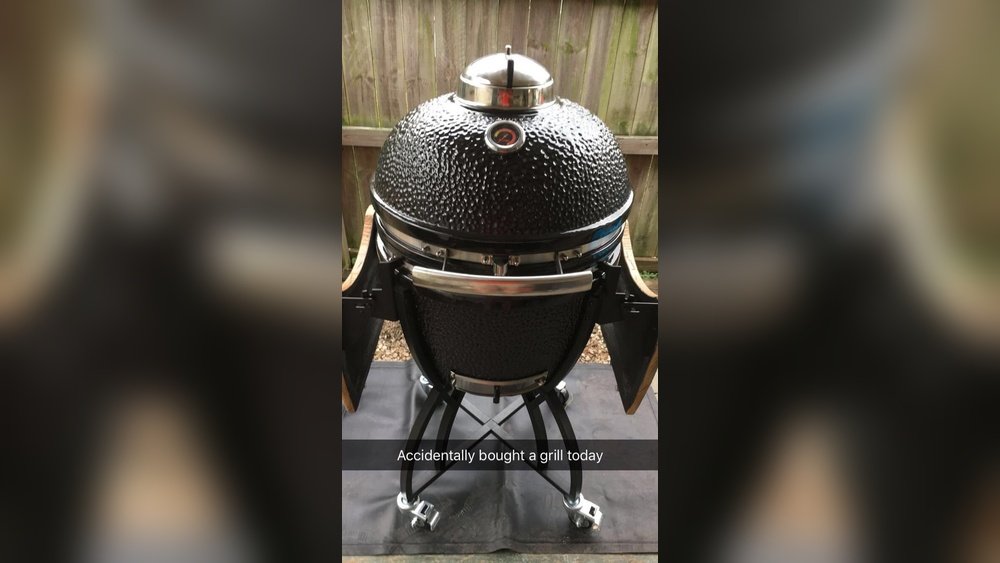
- Kamado grills: Use chunks for long cooks.
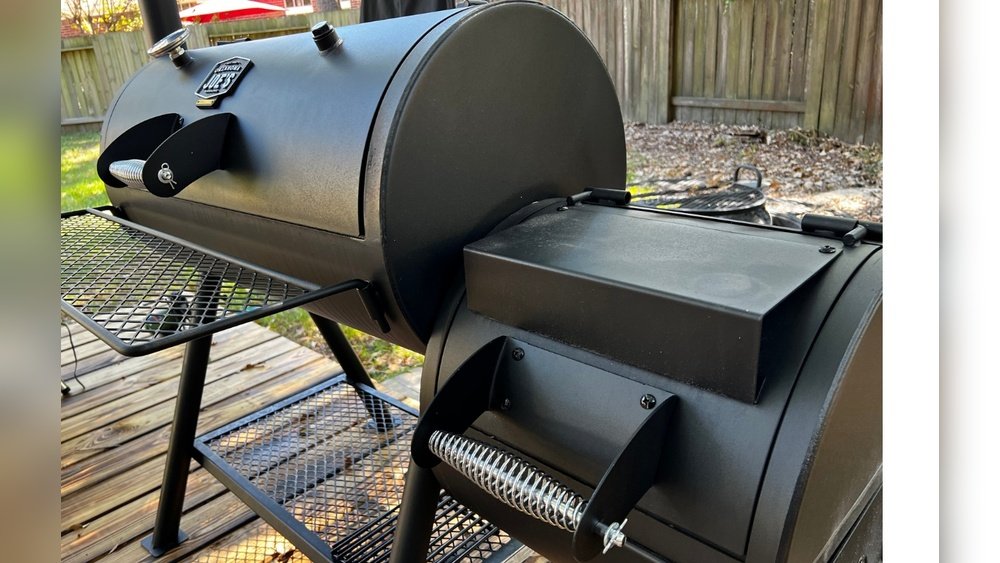
- Offset smokers: Logs or large chunks.
- Gas grills: Chips in a smoker box.
- Pellet grills: Only pellets.
Follow your equipment’s guidelines for best results.
Smoking Wood For Beginners: Getting Started
If you’re new to smoking, start simple.
- Pick a mild wood like apple or cherry.
- Use chips for quick grilling or chunks for slow smoking.
- Try chicken or pork first; they’re forgiving.
Keep notes on each cook. Record the wood type, amount, and result. Over time, you’ll find your ideal match.
A practical tip: Buy small bags of different woods and experiment. Don’t invest in large quantities until you know your favorites.
Expert Tips For Flavor Mastery
- Blend woods for custom flavors. Mix mild and strong woods.
- Monitor smoke color. White-blue smoke is best. Avoid gray or black.
- Control air flow. Proper ventilation prevents bitter smoke.
- Use a water pan. Keeps meat moist and smoke gentle.
- Taste test. Try small amounts of meat with different woods to learn what you like.
A non-obvious insight: The same wood can taste different depending on your cooking method. Smoker, grill, or pellet cooker changes the result.
Smoking Wood And Food Pairings
Matching wood to food isn’t just about meat. Here are some creative pairings:
- Apple wood + cheese: Adds a gentle sweetness.
- Cherry wood + vegetables: Gives color and mild fruit notes.
- Pecan wood + nuts: Enhances roasted flavor.
Experiment with combos. Try blending fruit and nut woods for desserts, or use alder for smoked tofu.
Environmental Impact Of Smoking Wood
Barbecue is fun, but it can impact the environment. Choose woods from sustainable sources. Look for local suppliers to reduce transport emissions.
Avoid rare or imported woods. Stick to common fruit, nut, or oak varieties. Support responsible forestry by choosing certified products.
For more details on sustainability, see this Wikipedia page.
Smoking Wood For Special Occasions
Barbecue is popular for holidays, parties, and family gatherings. Choose woods that match the mood:
- Apple or cherry for family meals.
- Hickory or oak for bold flavor at cookouts.
- Mesquite for Texas-themed parties.
For large events, buy wood in bulk and test it before the big day.
Smoking Wood And Local Traditions
Many cultures have their own smoking wood traditions. For example:
- Japan: Sakura (cherry) wood for smoked fish.
- Europe: Beech wood for sausages.
- North America: Hickory, oak, and mesquite for barbecue.
Learning about regional styles can inspire new recipes.
Smoking Wood For Cold Smoked Foods
Cold smoking is used for foods like salmon, cheese, and bacon. Use light woods like alder or apple. Keep temperatures below 90°F (32°C).
Cold smoking requires careful control of time and temperature. Use sawdust or chips for gentle smoke.
How To Test New Smoking Woods
Want to try a new wood? Start small.
- Smoke a single piece of meat with the new wood.
- Compare taste with your usual recipe.
- Mix with a familiar wood if you’re worried about strength.
Keep track of your results. Over time, you’ll build a list of favorite woods.
Smoking Wood For Non-meat Foods
Don’t limit yourself to meat. Smoked vegetables, cheese, and even fruit are delicious.
- Use mild woods for veggies and cheese.
- Try apple or cherry for smoked pineapple or peaches.
- Maple is great for smoking nuts.
Slice foods thin for more smoke exposure. Experiment with different woods for variety.
Cleaning Up After Smoking
After smoking, dispose of ash and leftover wood safely.
- Let ashes cool completely.
- Use metal containers for ash storage.
- Clean your smoker regularly to prevent mold.
Don’t reuse leftover wood. It loses flavor and can harbor bacteria.
Smoking Wood In Different Climates
Humidity and temperature affect wood storage and burning.
- In humid areas, store wood in airtight containers.
- In dry climates, wood dries faster and burns hot.
- Adjust your cooking time and wood amount based on weather.
Monitor your smoker temperature closely. Weather can change how wood burns.
Smoking Wood For Charcoal Grills
Charcoal grills are versatile. Use chips for quick cooks, or chunks for slow smoking.
Place wood directly on hot coals. Use a smoker box for gas grills.
For best results, keep the lid closed to trap smoke.
Improving Your Smoking Technique
Practice makes perfect. Here are ways to improve:
- Keep a smoking journal.
- Test different woods and blends.
- Adjust air flow and moisture.
- Watch for smoke color and intensity.
Don’t be afraid to experiment. Great barbecue comes from learning and trying new things.
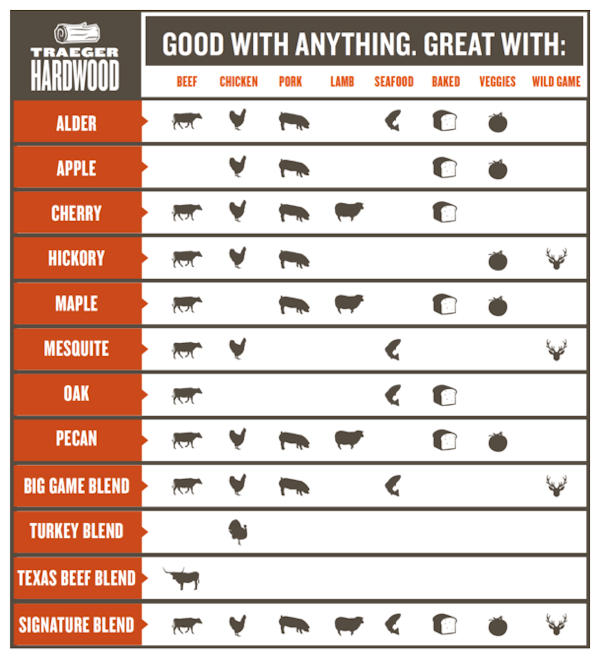
Credit: www.infinibandta.org
Smoking Wood For Dessert Recipes
Smoked desserts are trending. Try wood-smoked fruit for pies, or smoked nuts for cakes.
- Use mild woods like apple or cherry.
- Smoke fruit for 30–60 minutes.
- Let smoked ingredients cool before adding to recipes.
Smoked chocolate is also popular. Use a cold smoker with mild wood.
Smoking Wood For Cheese
Cheese absorbs smoke easily. Use light woods like apple, cherry, or alder.
- Cold smoke cheese for 2–4 hours.
- Keep temperatures below 90°F (32°C).
- Let cheese rest after smoking for flavor to develop.
Avoid strong woods. They can make cheese bitter.
Smoking Wood For Seafood
Seafood is delicate. Alder and fruit woods are best.
- Smoke fish for 1–3 hours.
- Use a water pan to keep moisture high.
- Avoid strong woods like hickory or mesquite.
For shrimp or scallops, apple wood is ideal.
Smoking Wood And Allergies
Some people are sensitive to certain woods. If you have allergies, avoid nut woods like pecan or walnut.
Test small amounts first. If you notice any reaction, switch to fruit woods.
Smoking Wood For International Cuisine
Explore global flavors with different woods:
- Beech for German sausages.
- Grape vine for Mediterranean dishes.
- Sakura for Japanese smoked fish.
Experiment with wood blends to match international recipes.
Frequently Asked Questions
What Is The Best Wood For Smoking Brisket?
The best wood for brisket is oak or hickory. Oak gives balanced smoke, while hickory adds bold flavor. Some pitmasters mix oak with a bit of cherry for color and sweetness.
Can You Use Wood From Your Backyard For Smoking?
You can use wood from fruit or nut trees in your backyard, but make sure it’s untreated and free from pesticides. Avoid softwoods and unknown sources, as they may be unsafe.
How Do You Store Smoking Wood?
Store smoking wood in a dry, ventilated area. Use racks or shelves, and keep wood off the ground. Avoid airtight containers unless you live in a humid climate.
What’s The Difference Between Smoking Chips And Chunks?
Chips are small and burn fast, ideal for short cooks or grills. Chunks are bigger, last longer, and are best for smokers or long cooking times.
Is It Necessary To Soak Smoking Wood Before Use?
No, soaking wood is not necessary. It slows burning and creates steam, not smoke. Dry wood produces better, cleaner smoke for flavor.
Barbecue is an adventure in flavor. The right smoking wood makes all the difference. With this guide, you’re ready to experiment, learn, and create unforgettable smoked dishes. Try new woods, blend flavors, and enjoy the journey. Remember: barbecue is about more than food—it’s about sharing, tradition, and discovery.
Credit: goliquidsoul.com